
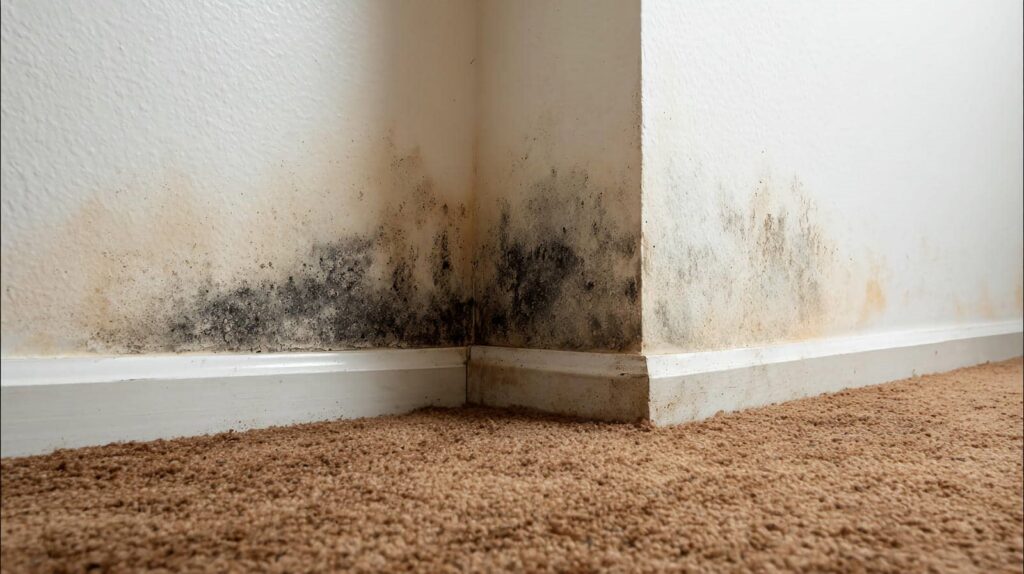
You might think water damage cleanup is straightforward, but immediate action is vital to minimize long-term effects. If you don’t act quickly, you risk structural damage and mold growth. Start by turning off utilities and evaluating the situation safely. Understanding the best strategies can make a significant difference in the outcome. Let’s explore the essential steps you need to take to tackle water damage effectively.
Key Takeaways
- Stop the Source: Immediately identify and eliminate the source of water to prevent further damage.
- Assess Damage: Conduct a thorough evaluation of affected areas, wearing PPE to ensure safety during inspection.
- Efficient Water Removal: Use sump pumps or wet vacuums for effective water removal, creating drainage paths to direct excess water away.
- Dry Thoroughly: Implement dehumidifiers and monitor humidity levels to ensure drying occurs within 24-48 hours, preventing mold growth.
- Seek Professional Help: Contact experts if damage exceeds 100 square feet or if mold growth is detected, ensuring timely restoration.
What Should You Do Immediately After Water Damage?
When you discover water damage, it’s crucial to act quickly to mitigate further issues. Your immediate actions will determine the extent of the damage and the effectiveness of your emergency response.
Start by identifying the source of the water and stopping it if possible. Next, remove any valuable items from the affected area to prevent further loss. Use towels or mops to absorb standing water, and open windows to enhance ventilation.
If the situation is severe, consider contacting a professional restoration service for advanced assistance. Document the damage with photos for insurance purposes.
Turn Off Utilities to Prevent Hazards
To prevent hazards during a water damage incident, it’s essential to turn off utilities as soon as you assess the situation. This action minimizes risks associated with electrical shocks and gas leaks.
Follow these key steps:
- Identify the main electrical panel and water shut-off valve.
- Use hazard assessment techniques to evaluate immediate dangers.
- Familiarize yourself with utility reconnection procedures before calling professionals.
Assess the Damage Quickly and Safely
Once you’ve turned off utilities, it’s essential to identify the affected areas to understand the extent of the damage.
Prioritize safety measures, like wearing protective gear, to minimize risks while evaluating the situation.
This initial evaluation sets the foundation for an effective cleanup strategy.
Identify Affected Areas
As you begin the cleanup process, quickly evaluating the affected areas is essential for effective water damage response. Use water detection tools and moisture mapping techniques to identify hidden water sources and assess the extent of the damage.
Inspect walls, floors, and ceilings for discoloration or warping.
Check for musty odors, which often indicate trapped moisture.
Utilize thermal imaging cameras to locate water intrusion behind surfaces.
Prioritize Safety Measures
After identifying affected areas, safety must take precedence during the cleanup process. Confirm you wear personal protective equipment (PPE) like gloves, masks, and goggles to shield yourself from contaminants and irritants.
Before entering any flooded space, assess the structural integrity and electrical hazards. If water is standing, avoid using electrical appliances until it’s safe.
Gather your emergency supplies, including a first-aid kit, flashlights, and a battery-operated radio, to stay informed and prepared.
If you’re unsure about the safety of the area, consult professionals who can evaluate the risks.
Efficiently Remove Standing Water
To effectively remove standing water, start by evaluating the extent of the flooding. Knowing the situation helps you choose the right water extraction techniques for efficient removal.
Here’s how to proceed:
Use a sump pump: Ideal for large volumes of water, it quickly evacuates standing water.
Employ wet vacuums: Perfect for smaller areas, these devices efficiently remove residual moisture.
Create drainage paths: Guarantee water flows away from the affected area to prevent further accumulation.
Implementing these methods not only accelerates standing water removal but also minimizes potential damage.
Thoroughly Dry Affected Areas
Once you’ve removed standing water, it’s vital to assess the extent of the damage to determine your drying strategy.
Use appropriate drying equipment like dehumidifiers and air movers to expedite the process.
Regularly monitor humidity levels to guarantee all affected areas are thoroughly dried and prevent mold growth.
Assess Water Damage Extent
When tackling water damage, evaluating the extent of the problem is essential for effective cleanup.
Start with damage assessment techniques to determine how far the water has spread. Identifying the water source is equally important; whether it’s a burst pipe or flooding, knowing the origin helps prevent future issues.
- Inspect walls, floors, and ceilings for signs of saturation.
- Use moisture meters to measure the moisture content in materials.
- Document all findings for insurance claims and future reference.
Utilize Proper Drying Equipment
While evaluating the extent of water damage is essential, utilizing proper drying equipment is equally important to thoroughly dry affected areas.
Start by selecting the right dehumidifier types; a refrigerant dehumidifier works well for larger spaces, while a desiccant model can handle cooler conditions effectively.
Next, deploy air movers to enhance air circulation, maximizing air mover efficiency. Position them strategically to direct airflow towards damp surfaces, promoting quicker evaporation.
Combining these tools guarantees that you address moisture at multiple levels, reducing the risk of mold growth and structural damage.
Monitor Humidity Levels Regularly
To effectively guarantee thorough drying in water-damaged areas, you must regularly monitor humidity levels throughout the recovery process. This humidity control is essential for preventing mold growth and ensuring that all moisture is eliminated.
By utilizing moisture monitoring techniques, you can assess the effectiveness of your drying efforts and adjust as needed.
- Use hygrometers to track indoor humidity levels.
- Set a target humidity level (below 50% is ideal).
- Employ dehumidifiers to manage excess moisture.
Regular monitoring not only enhances the drying process but also fosters a healthier environment.
Stay vigilant, as a proactive approach will help you achieve the best results, ensuring your space is fully restored and safe for you and your loved ones.
How to Spot and Prevent Mold Growth After Water Damage?
After experiencing water damage, it’s crucial to act quickly to spot and prevent mold growth, as even small amounts of moisture can lead to significant issues.
Start by using mold detection methods like visual inspections and moisture meters to identify affected areas. Check behind walls, under carpets, and in hidden spaces where water might linger.
Implement mold prevention tips, such as drying out the area within 24-48 hours, ensuring proper ventilation, and using dehumidifiers to maintain low humidity levels.
Regularly inspect your property for signs of mold, like musty odors or discoloration.
Choose the Right Cleaning Solutions for Your Needs
Choosing the right cleaning solutions is essential for effectively addressing water damage and preventing further issues. By selecting appropriate products, you can enhance your cleanup efforts while guaranteeing safety and efficacy.
Consider the following factors:
Eco-Friendly Solutions: Opt for biodegradable products that minimize environmental impact while still providing effective cleaning.
Chemical Effectiveness: Research the active ingredients in your chosen solutions to confirm they meet your specific needs without harming surfaces or air quality.
Surface Compatibility: Make certain the cleaning solutions are suitable for the materials in your home, as some chemicals can cause damage.
Discard Unsalvageable Materials Promptly
When dealing with water damage, you need to identify affected materials quickly to prevent further deterioration.
Always follow safety precautions before handling any materials, especially those that might be hazardous.
Disposing of unsalvageable items promptly helps minimize health risks and facilitates effective cleanup.
Identify Affected Materials Quickly
Act swiftly to identify affected materials in your space following water damage. Quick and accurate assessment helps prevent further damage and health risks.
Start with moisture detection tools to locate hidden moisture pockets. Conduct a thorough material assessment to determine which items can be salvaged.
- Inspect drywall and insulation for water saturation.
- Examine flooring materials like carpet or hardwood for warping or mold.
- Check furniture and personal belongings for irreversible damage.
Once you’ve identified unsalvageable materials, discard them promptly to halt the spread of mold and contamination.
Acting decisively not only protects your home but also fosters a sense of community as you navigate recovery together.
Prioritize swift action to guarantee a safe and healthy environment.
Follow Safety Precautions First
After identifying the materials affected by water damage, it’s essential to prioritize safety by promptly discarding unsalvageable items.
Start by wearing appropriate safety gear, including gloves and masks, to protect yourself from contaminants. Gather your emergency kit, which should include tools like a utility knife and trash bags for efficient cleanup.
Remove damaged items such as carpets, drywall, and furniture that can’t be salvaged. This not only creates a safer environment but also prevents mold growth and further damage.
Make sure you dispose of these materials responsibly, following local regulations. By acting quickly and safely, you’ll help maintain a healthier space while minimizing future risks associated with water damage.
Dispose Of Hazardous Items
Promptly discarding hazardous items is essential in mitigating health risks following water damage. You need to identify and remove any materials that can pose a danger to your health and safety.
Proper disposal methods are vital; make sure you follow local regulations to handle hazardous waste effectively.
Moldy materials: Dispose of items like carpets and upholstery that show signs of mold growth.
Contaminated electronics: Safely discard any electronic devices affected by water to prevent electrical hazards.
Chemical products: Remove any cleaning supplies or chemicals that may have been compromised.
Ensure Proper Ventilation During Water Damage Cleanup
While dealing with water damage, ensuring proper ventilation is essential for effectively mitigating mold growth and structural damage. Use ventilation techniques like opening windows and doors to promote air circulation, which helps to dry out affected areas quicker.
If the weather permits, create cross-ventilation by positioning fans strategically to push air through the space. Dehumidifiers are also beneficial, as they reduce moisture levels, complementing natural airflow.
Keep in mind that stagnant air can lead to mold proliferation, so check hidden spaces like closets and under stairs. Regularly monitor humidity levels with a hygrometer to maintain ideal conditions.
When to Call in the Pros for Water Damage Cleanup?
When should you call in the professionals for water damage cleanup? If you’re facing extensive damage, it’s essential to seek expert help. A professional assessment can identify hidden issues, guaranteeing effective water restoration.
Consider calling in the pros if:
- The affected area exceeds 100 square feet.
- You notice mold growth or a musty smell.
- There’s visible structural damage or compromised safety.
Time is of the essence in water damage situations. Delaying professional intervention can lead to further complications, like mold growth and long-term damage.
Frequently Asked Questions
How Can I Prevent Future Water Damage in My Home?
To prevent future water damage, invest in leak detection systems, install sump pumps, guarantee proper drainage systems, and explore waterproofing solutions. These measures will protect your home and give you peace of mind against water intrusion.
What Types of Insurance Cover Water Damage Cleanup?
When disaster strikes, flood insurance often covers water damage cleanup, while homeowners policies and renters coverage may help too. Be mindful of policy exclusions; they can leave you high and dry when you need help.
Are There Specific Tools Needed for Water Damage Cleanup?
You’ll need water extraction tools like pumps and vacuums, along with moisture detection devices to assess damage. These tools help you efficiently remove water and guarantee your space dries thoroughly, preventing further issues.
How Long Does the Water Damage Cleanup Process Take?
Typically, the water damage cleanup process takes 24 to 48 hours, depending on the water damage timeline. Efficient cleanup methods can greatly enhance cleanup efficiency, minimizing long-term issues and restoring your space faster.
Can I Use a Regular Vacuum for Water Extraction?
You can’t use a regular vacuum for water extraction. These vacuum types aren’t designed for liquid. Instead, opt for a wet/dry vacuum to effectively remove water and prevent further damage to your property.
Wrap-Up
Tackling water damage swiftly is essential to minimizing destruction. By following these strategies, you’ll not only restore your space but potentially save it from turning into a swamp! Remember, while DIY methods can be effective, don’t hesitate to call professionals for extensive damage. Your safety and property are paramount, so act fast and stay vigilant. With the right approach, you can conquer water damage like a superhero!