
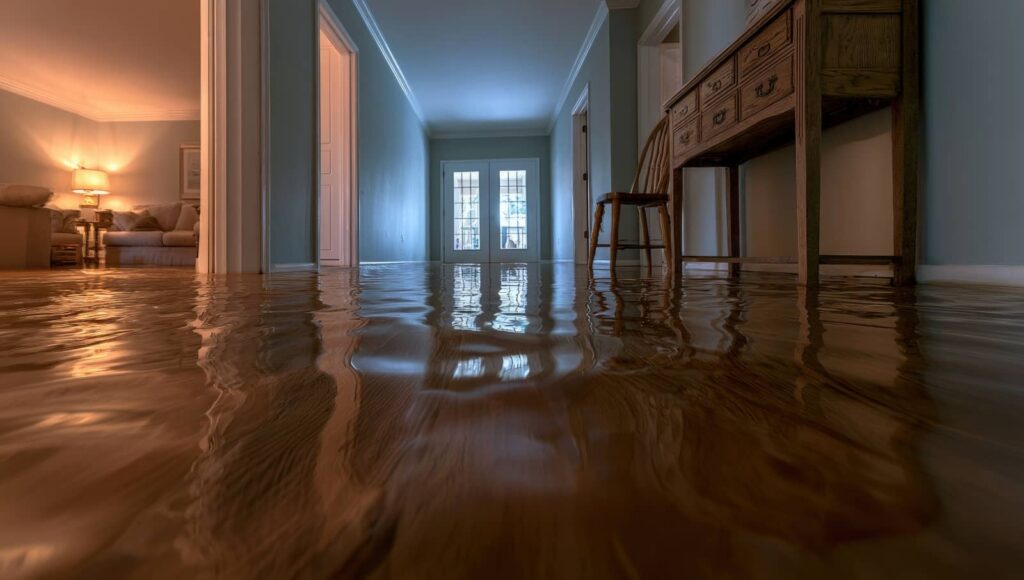
Could it be true that the first hour after a storm matters more than the cleanup itself? Fast Storm Damage Cleanup starts with checking for structural and electrical hazards, removing standing water, and drying affected surfaces as quickly as possible. Acting early can help limit further damage, reduce moisture-related mold risk, and protect your belongings. If the damage goes beyond a basic cleanup, knowing when to call for expert help can save time, money, and help keep your recovery on track.
Key Takeaways
- Check for structural damage and electrical hazards before entering, and evacuate if you smell gas or hear hissing.
- Remove standing water quickly with a pump, wet vac, or buckets to limit further damage and mold growth.
- Dry walls, floors, and belongings immediately using fans, dehumidifiers, and open windows.
- Remove damp materials and clean hard surfaces to help stop mold from forming.
- Call a restoration professional if water reaches walls, ceilings, insulation, or the damage is extensive.
Check for Structural and Electrical Hazards
Before you start cleanup, check the area for structural and electrical hazards to avoid injury. You should look for sagging roofs, cracked walls, shifted foundations, and broken framing that can threaten structural integrity.
Stay clear of downed lines, wet outlets, and exposed wiring, and treat every circuit as live until a qualified pro says it’s safe. If you smell gas or hear hissing, leave immediately and contact emergency services.
Wear sturdy boots, gloves, and eye protection so you can move with confidence. Use a flashlight instead of open flames, and shut off power only if you can reach the panel without stepping into danger.
Remove Standing Water Fast
Pump out standing water as soon as it’s safe, because fast removal limits structural damage, mold growth, and contamination.
You can use a submersible pump, wet vac, or buckets for smaller areas, but keep outlets and cords dry. Move water toward exits and low points, and open any drainage solutions you can safely access so runoff leaves the site faster.
If water keeps returning, stop and call a professional for water removal.
Work with a partner, wear boots and gloves, and stay alert for slippery surfaces and hidden debris. The sooner you clear the area, the sooner your crew can regain control and protect the rest of the property.
Dry Walls, Floors, and Belongings
Once the standing water is gone, start drying walls, floors, and belongings right away to stop moisture from soaking deeper into the structure.
Open windows if weather allows, run fans to move air across wet surfaces, and use dehumidifiers to pull out trapped moisture.
Lift rugs, cushions, and small items so air reaches every side. For drywall and flooring, check for soft spots and remove baseboards if needed to speed airflow.
Sort belongings into keep, clean, or discard piles, then use salvage methods on items you can safely dry and restore.
Prioritize porous materials first, since they hold water longer.
Keep checking progress with touch and sight, and move each item to a dry, well-ventilated area until it feels fully dry and stable.
Stop Mold Before It Starts
As you dry the area, keep mold from taking hold by removing damp materials quickly and maintaining strong airflow. You can protect your home with preventive measures that limit lingering moisture and surface contamination.
Pull up wet carpet and padding fast.
Wash hard surfaces with detergent, then rinse.
Use dehumidifiers and fans to lower humidity.
Replace porous items with mold resistant materials when you rebuild.
Check hidden spots under sinks, behind baseboards, and inside closets so moisture doesn’t hide.
You’re not handling this alone; each step helps your space recover cleanly and safely. Keep monitoring for musty odors or new dampness, and stay consistent until everything feels dry to the touch.
When to Call a Restoration Pro
If the damage goes beyond surface cleanup, call a restoration pro before it spreads. You should act fast when water seeps into walls, ceilings, insulation, or subflooring, because hidden moisture can weaken materials and trigger mold.
A certified team uses moisture meters, extraction equipment, and drying systems to stabilize the site safely. They’ll also document losses for insurance claims, which helps you avoid delays and support coverage decisions.
When you’re juggling safety, sanitation, and repairs, a pro gives you a clear restoration timeline and keeps the work coordinated. That means you can protect your home, reduce stress, and stay connected to neighbors who’ve faced the same storm challenges.
Don’t wait for worsening stains, odors, or structural sagging—get expert help early.
Frequently Asked Questions
How Should I Document Storm Damage for Insurance Claims?
You should document storm damage with clear before photos, then complete a damage assessment, noting dates, locations, and repairs. You’ll strengthen your claim, stay organized, and show your insurer exactly what happened.
What Cleanup Supplies Should I Keep in a Storm Emergency Kit?
Pack heavy-duty gloves, trash bags, bleach, towels, duct tape, a utility knife, flashlight, and buckets—your storm preparedness checklist’s essential cleanup tools. You’ll tackle chaos like a pro, stay safe, and feel prepared.
How Can I Protect Outdoor Furniture Before a Storm Hits?
Store your furniture indoors or in secure furniture storage, then use weatherproof covers and tie-downs. Remove cushions, elevate pieces off wet ground, and lock wheels. You’ll keep everything safer and ready together.
Which Important Papers Should I Save After Storm Damage?
You should save important documents and essential records: insurance policies, IDs, deeds, leases, medical files, and receipts. Photograph everything, back up copies, and store them securely—you’ll protect your claim, your recovery, your community.
How Do I Handle Storm-Damaged Food in My Refrigerator?
Throw out any refrigerator food above 40°F for over 2 hours; keep closed if possible. Follow food safety and refrigerator tips: refrigerate perishables promptly, check seals, sanitize shelves, and stay confident—you’re handling this well.
Summary
When you’re cleaning up storm damage, act fast and stay safe. Check for structural and electrical hazards first, then remove standing water right away. For example, if your basement has 2 inches of water, pump it out and start drying the space immediately to limit mold. Keep air moving, discard soaked materials, and call a restoration pro if the damage is extensive. Quick, careful action can cut losses and help you recover sooner.