
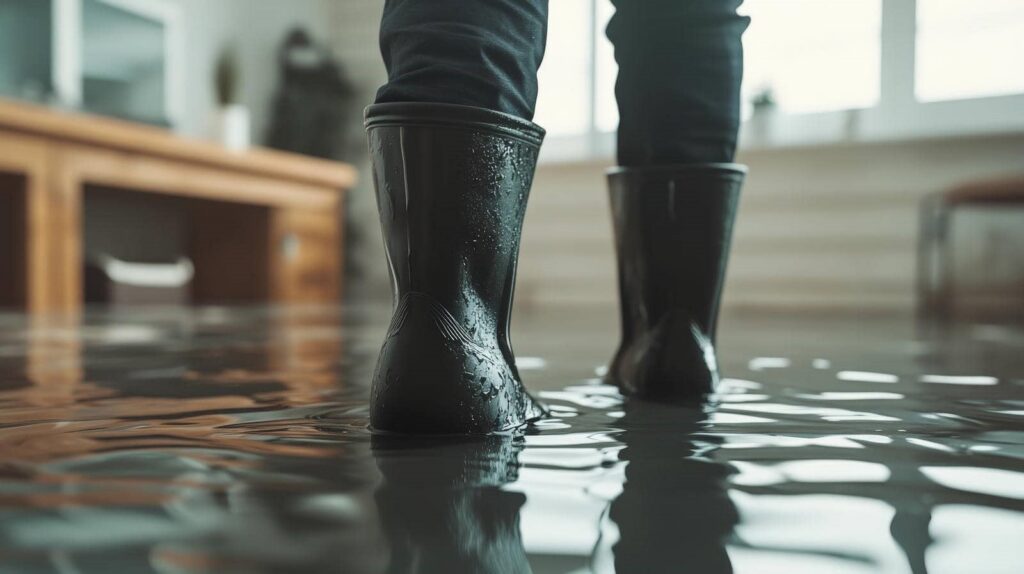
When flooding occurs, it’s essential to act quickly to minimize damage and facilitate recovery. You need to assess the situation, remove excess water, and implement effective water mitigation drying techniques. Understanding the right tools and methods can greatly impact the outcome of your efforts. The next steps involve preventing mold growth and knowing when to consult professionals. Each decision you make now can shape the restoration process, so let’s explore these techniques in detail.
Key Takeaways
- Utilize sump pumps and wet vacuums for effective water extraction to minimize damage duration.
- Employ fans and dehumidifiers to enhance drying and maintain optimal moisture levels.
- Document all visible and hidden damage thoroughly for insurance claims and professional assessments.
- Ensure proper ventilation and humidity control to prevent mold growth during recovery.
- Seek professional help if extensive damage or mold is present to improve recovery outcomes.
Why Water Mitigation Matters in Flood Recovery
Water mitigation is essential in flood recovery because it directly impacts the effectiveness of restoration efforts. By promptly addressing water damage, you protect your property and contribute to your community’s overall recovery.
Effective water mitigation reduces long-term issues, such as mold growth and structural damage, fostering a healthier environment for everyone. When you engage in these efforts, you’re not just restoring your own space; you’re supporting community resilience and well-being.
Implementing long-term solutions like drainage systems and proper landscaping can further enhance your community’s ability to withstand future floods. By prioritizing water mitigation, you strengthen your ties to your neighbors, creating a collective commitment to rebuilding and preventing future disasters together.
How to Assess Flood Damage Effectively?
Effective water mitigation starts with a thorough assessment of flood damage, enabling you to prioritize recovery efforts.
Begin by documenting visible damage, focusing on structural elements like walls, floors, and ceilings. Take photographs to support your damage assessment for potential insurance claims.
Next, check for hidden damage, such as mold or compromised electrical systems, which may not be immediately visible. Make a detailed list of affected items, noting their condition and estimated replacement costs.
Collaborate with professionals if needed, as their expertise can help identify less obvious damage.
Finally, verify you understand your insurance policy’s coverage, as it will guide your recovery plan and claims process.
Your organized approach will streamline recovery, fostering a sense of community in these challenging times.
Quick Water Removal and Drying Techniques
Initiating the water removal process swiftly is crucial for mitigating damage after a flood. Quick action protects your property and helps prevent further complications.
Here are some effective techniques to take into account:
- Use sump pumps for efficient water removal.
- Employ wet vacuums for smaller areas.
- Set up fans and dehumidifiers to facilitate drying.
- Monitor moisture levels to ensure complete water extraction.
Preventing Mold Growth After Flooding
After you’ve removed the standing water and dried the affected areas, the next critical step is preventing mold growth.
Begin by ensuring thorough ventilation; open windows and use fans to promote air circulation.
Humidity control is essential; aim to keep indoor humidity below 60%. You can achieve this by using dehumidifiers and air conditioners.
Inspect your home for any moisture-prone areas, such as behind walls or under carpets, and treat them with mold-resistant solutions.
Regularly check for leaks and damp spots, addressing them promptly.
When to Seek Professional Help for Recovery
When should you consider bringing in professionals for flood recovery? Knowing when to call for help can make a significant difference in your recovery process. Here are some indicators:
- You’ve sustained extensive water damage.
- Mold is visibly growing or you suspect hidden mold.
- You’re unsure how to handle insurance claims.
- Your emergency response efforts have been insufficient.
If your situation aligns with any of these points, seeking professional assistance is essential. Experts possess the equipment and knowledge to mitigate damage effectively and ensure safety.
They can also help navigate insurance claims, making the process smoother. Don’t hesitate; the sooner you act, the better your chances for a successful recovery.
Frequently Asked Questions
What Personal Items Should I Prioritize During Flood Recovery?
During flood recovery, prioritize sentimental items and electronic devices. Focus on family photos, heirlooms, and important documents first. Then, secure electronics like laptops and phones to preserve your data and memories effectively.
How Can I Protect My Home From Future Flooding?
To keep your home dry, invest in effective drainage systems and install flood barriers. By taking these steps, you’ll safeguard your property and ensure peace of mind when storms roll in.
What Insurance Coverage Is Essential for Flood Damage?
You need flood insurance with adequate coverage limits to protect against flood damage. Review your policy regularly to ensure it meets your needs and consider additional endorsements for thorough protection in high-risk areas.
Are There Government Assistance Programs for Flood Recovery?
Yes, you can access federal aid and state grants for flood recovery. Check with FEMA for disaster assistance programs and your state’s emergency management office for localized financial support tailored to your specific needs.
How Long Does Flood Recovery Typically Take?
Flood recovery typically takes weeks to months, depending on flood duration and recovery factors like damage severity, location, and available resources. You should assess your situation thoroughly to develop an effective recovery plan.
Recap
In flood recovery, acting swiftly is your best ally. By employing proven water mitigation techniques, you safeguard your property and nurture a healthier environment. Remember, just as a ship needs a steady hand to navigate stormy seas, your proactive measures can steer your home back to safety. Don’t underestimate the importance of monitoring moisture levels and seeking professional help when needed. With these strategies, you can reclaim your space and restore peace of mind.