
Imagine a dam bursting, releasing chaos as water floods the landscape; sewage spills can feel just as overwhelming. Understanding the risks and proper procedures is vital for effective emergency sewage cleanup. You need to act swiftly and safely, ensuring you’re equipped with the right tools and knowledge. But what steps should you take first? Let’s explore essential strategies to manage this hazardous situation effectively.
Key Takeaways
- Prioritize safety by wearing protective gear and isolating the area to prevent exposure during the cleanup process.
- Act quickly to assess the spill’s extent and reach out to professionals for larger sewage incidents.
- Use absorbent materials for small spills and a wet/dry vacuum for effective sewage removal.
- Implement immediate drying techniques and monitor humidity to prevent mold growth after cleanup.
- Conduct a thorough post-cleanup inspection to ensure surfaces are sanitized and ventilation systems are clear.
How to Safely Clean Up Sewage: A Step-by-Step Guide
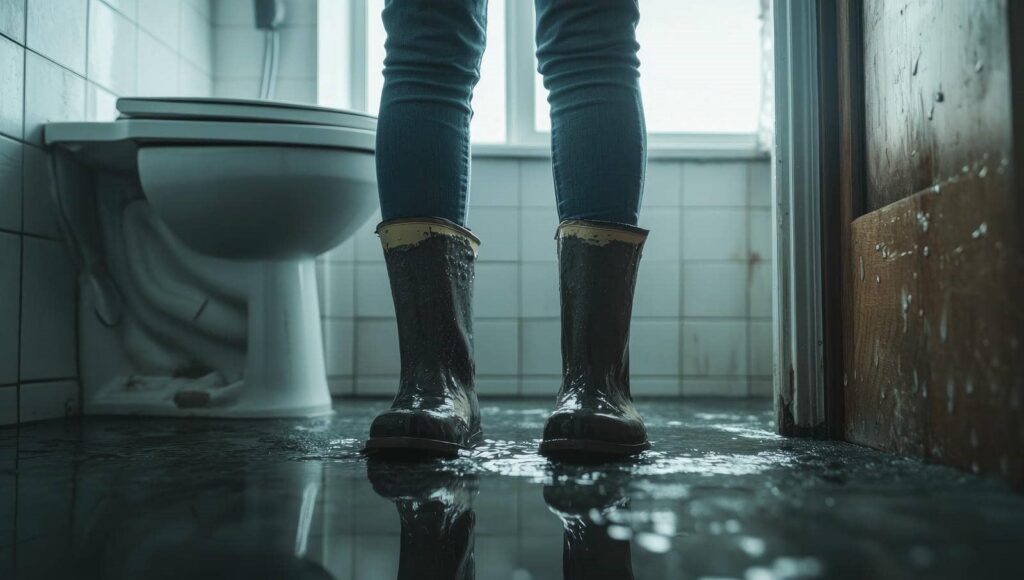
When faced with a sewage spill, your immediate priority should be safety. Start by wearing protective gear, including gloves, masks, and boots, to minimize exposure to harmful pathogens.
Next, isolate the area to prevent others from entering and potentially facing sewage health impacts. Assess the extent of the spill; this will help you develop a realistic cleanup timeline.
For smaller spills, use absorbent materials to soak up the sewage, then dispose of them according to local regulations.
For larger spills, consider contacting professionals, as they’ve the tools and expertise needed.
Finally, disinfect the affected area thoroughly to eliminate lingering bacteria. Act quickly and effectively to ensure a safe environment for everyone involved.
Understanding the Risks of Sewage Exposure
Exposure to sewage can pose serious health risks, as it contains harmful pathogens that can lead to severe illnesses. Common contamination sources include broken sewer lines or flooding, increasing your risk of exposure.
Symptoms may range from gastrointestinal issues to skin infections. Long-term effects can include chronic health problems, making awareness essential.
To mitigate these risks, adopt strong sanitation practices and follow regulatory guidelines. Engage with community resources for support and information on sewage safety.
Implementing effective prevention strategies, such as proper waste disposal and routine inspections, can greatly reduce your exposure risk.
Essential Safety Gear for Sewage Cleanup
When tackling sewage cleanup, wearing the right personal protective equipment (PPE) is essential for your safety.
You’ll need sturdy gloves, masks, and waterproof boots to minimize exposure to harmful pathogens.
Additionally, having the right tools and supplies on hand will streamline the cleanup process and ensure you effectively manage the situation.
Personal Protective Equipment
While tackling sewage cleanup can be challenging, equipping yourself with the right personal protective equipment (PPE) is essential for your safety.
Start by wearing sturdy gloves and waterproof boots to shield your hands and feet from contaminants. A full-body suit or coveralls acts as a barrier against harmful substances, while a mask or respirator protects your lungs from noxious fumes.
Don’t forget goggles to keep your eyes safe from splashes. These pieces of protective gear minimize exposure and help you feel more confident as you work.
Always prioritize health precautions; knowing you’re protected allows you to focus on the task at hand.
Tools and Supplies Needed
To effectively manage sewage cleanup, having the right tools and supplies on hand is vital. First, gather cleaning equipment essentials like heavy-duty gloves, masks, and eye protection to ensure your safety.
Next, invest in a reliable wet/dry vacuum for efficient sewage removal techniques. You’ll also need absorbent materials, such as towels and mops, to tackle spills and excess moisture.
A disinfectant solution is essential for sanitizing affected areas and preventing health hazards. Additionally, consider a sturdy shovel for debris removal and a large trash bag for waste disposal.
Effective Cleaning Solutions for Sewage Contamination
Utilize effective cleaning agents specifically designed to neutralize pathogens and break down contaminants. Focus on applying advanced restoration techniques, such as steam cleaning and disinfecting, to assure thorough sanitation practices.
Always wear protective gear to minimize exposure to harmful agents. After cleaning, monitor the area for lingering odors or moisture, as these can indicate incomplete sanitation.
How to Dispose of Sewage Waste Safely
When faced with sewage waste, knowing how to dispose of it safely is essential for your health and the environment.
Start by identifying appropriate sewage disposal methods, which can include contacting local waste management services. They’re trained in hazardous waste management and can guide you in handling and transporting waste correctly.
Never attempt to dump sewage in regular trash or down drains, as this can lead to severe contamination. Instead, utilize specialized containers for transport.
If possible, consider professional cleaning services; they’ve the expertise and equipment for safe disposal.
Always prioritize safety by wearing protective gear and following local regulations.
This collective effort protects your immediate environment and fosters a community commitment to health and safety.
Preventing Mold After Sewage Cleanup
After a sewage cleanup, preventing mold growth is essential for your health and home.
You need to implement immediate drying techniques, use proper disinfection methods, and monitor moisture levels continuously.
Immediate Drying Techniques
To prevent mold growth following a sewage cleanup, you need to act quickly and employ effective drying techniques. First, ensure proper ventilation strategies to promote airflow. Open windows and use fans to circulate air, reducing moisture levels.
- Use dehumidifiers to draw out excess moisture.
- Remove saturated materials like carpets and drywall.
- Monitor humidity levels regularly.
Moisture control is vital; aim for levels below 60% to inhibit mold growth.
By taking these immediate actions, you protect your space and create a healthier environment for everyone. Stay vigilant and proactive to confirm a thorough drying process, preventing any future complications that mold might bring.
You’re not alone in this; community support can make a significant difference.
Proper Disinfection Methods
Following effective drying, the next step involves thorough disinfection to eliminate any remaining pathogens and prevent mold growth.
You should use appropriate disinfection techniques, such as a solution of bleach and water, to sanitize affected surfaces. The CDC recommends a mixture of one cup of bleach per gallon of water for effective sanitation practices.
Make sure you wear protective gear, including gloves and masks, during this process. Apply the disinfectant generously and allow it to sit for at least 10 minutes before rinsing.
Pay special attention to porous materials, as they may harbor bacteria. After disinfection, confirm everything is completely dry to further reduce the risk of mold.
Your diligence now will contribute to a safer, healthier environment for everyone.
Ongoing Moisture Monitoring
While you’ve completed the initial cleanup and disinfection, ongoing moisture monitoring is essential to prevent mold growth after sewage cleanup.
Without proper moisture detection and humidity control, mold can develop quickly, posing health risks and further damage.
- Use hygrometers to track humidity levels regularly.
- Ensure proper ventilation in affected areas to minimize moisture buildup.
- Consider dehumidifiers if humidity exceeds recommended levels.
When to Call in Professional Sewage Cleanup Services?
If you notice severe sewage backups or unpleasant odors that persist despite your efforts to clean, it’s time to call in professional sewage cleanup services.
Ignoring these issues can lead to significant property damage and health risks. Professionals offer emergency response capabilities that ensure a thorough and safe cleanup, using specialized equipment and techniques you mightn’t have access to.
They can effectively handle hazardous materials, reducing your exposure to harmful bacteria and pathogens. Additionally, their expertise helps identify the root cause of the problem, preventing future incidents.
Don’t underestimate the importance of timely intervention; reaching out to professionals fosters a safer environment for you and your loved ones.
Prioritize your health and property by taking swift action.
Tips for Eliminating Sewage Odors
To effectively eliminate sewage odors, start by identifying the sources of the smell in your space.
Once you’ve pinpointed the areas, use effective odor neutralizers to combat the stench.
Finally, maintaining proper ventilation will help disperse any lingering odors, ensuring a fresher environment.
Identify Odor Sources
Identifying the source of sewage odors is essential for effective cleanup and prevention. You’ll need to employ odor detection techniques to pinpoint the issue quickly.
Start by checking common areas where sewer gas might accumulate. Here are key spots to inspect:
- Drain traps: Verify they’re filled with water to create a seal.
- Vent pipes: Look for blockages that can cause gas buildup.
- Septic systems: Monitor for signs of failure or overflow.
For sewer gas identification, use your senses—foul smells often indicate a serious problem.
Addressing these sources promptly helps eliminate odors and prevent further complications. By taking these steps, you’ll foster a cleaner, healthier environment for everyone involved.
Use Effective Odor Neutralizers
While finding the source of sewage odors is crucial, effectively neutralizing those smells is equally important for a clean environment.
Start by employing odor absorption techniques, such as using activated charcoal or baking soda. These substances naturally trap and eliminate unpleasant smells, making them excellent choices for your cleanup efforts.
You can also explore natural deodorizing agents like vinegar or essential oils, which mask odors and help purify the air. Create a mixture of water and vinegar in a spray bottle to tackle lingering smells on surfaces.
Maintain Proper Ventilation
Proper ventilation is essential for eliminating sewage odors, as it helps circulate fresh air and disperse unpleasant smells.
By implementing effective ventilation methods, you can greatly improve air circulation in the affected area. Here are some practical tips to enhance ventilation:
- Open windows and doors to create cross-ventilation.
- Use fans to boost air movement and push out stale air.
- Employ air purifiers with activated carbon filters to trap odors.
Post-Cleanup Inspection: Ensuring a Safe Environment
After the cleanup process, a thorough inspection is essential to confirm that your environment is safe and free from lingering contaminants.
Start with a detailed environmental assessment, checking all areas affected by sewage. Look for any signs of moisture or odors, as these can indicate remaining hazards.
Make certain that surfaces are sanitized and any damaged materials are properly disposed of.
Don’t forget to check ventilation systems; they can harbor trapped contaminants.
Consider using air quality monitors to verify post cleanup safety.
Engaging professionals for this inspection can provide peace of mind, making sure that your space is truly safe for you and your loved ones.
Long-Term Maintenance to Prevent Sewage Issues
To effectively prevent sewage issues in the long term, regular maintenance and proactive measures are essential.
Implementing a strategy that includes preventive maintenance can save you from costly repairs and sewage backups.
Consider focusing on:
- Routine inspections of drainage systems and plumbing upgrades.
- Proper landscape grading to direct water away from your foundation.
- Installing sump pumps and pipe insulation for overflow prevention.
Frequently Asked Questions
What Are Common Signs of Sewage Backup in My Home?
You’ll notice signs of sewage backup through persistent sewage odors, slow drains, and gurgling sounds. Regular plumbing inspections can help you detect issues early and prevent costly damage, ensuring your home stays safe and comfortable.
Can Pets Be Affected by Sewage Contamination?
Sewage spills spell serious safety concerns for pets. Contamination risks can lead to illness, so always monitor your furry friends closely. Make certain they’re kept away from affected areas to protect their health and happiness.
How Long Does It Take to Dry Out After Sewage Cleanup?
It typically takes 3 to 7 days to dry out after sewage cleanup, depending on your drying techniques and moisture control efforts. Using fans and dehumidifiers can greatly speed up the process for you.
What Should I Do if I Experience Health Symptoms After Exposure?
If you feel like a ship caught in a storm after exposure, prioritize health precautions. Seek medical advice immediately for symptom management, and monitor your symptoms closely to ensure you’re steering towards recovery.
Are There Insurance Claims Available for Sewage Damage?
Yes, there are insurance claims available for sewage damage. Review your policy for specific coverage details, then follow the claim process to document the damage and expedite your compensation. Don’t hesitate to ask your insurer for guidance.
Summary
In the domain of sewage cleanup, “an ounce of prevention is worth a pound of cure.” By prioritizing safety, using the right gear, and knowing when to call in professionals, you can effectively manage emergencies. Regular maintenance and inspections are key to preventing future issues. Remember, a thorough post-cleanup check ensures a safe environment, allowing you to breathe easy and maintain peace of mind. Stay proactive, and your space will remain hygienic and secure.