
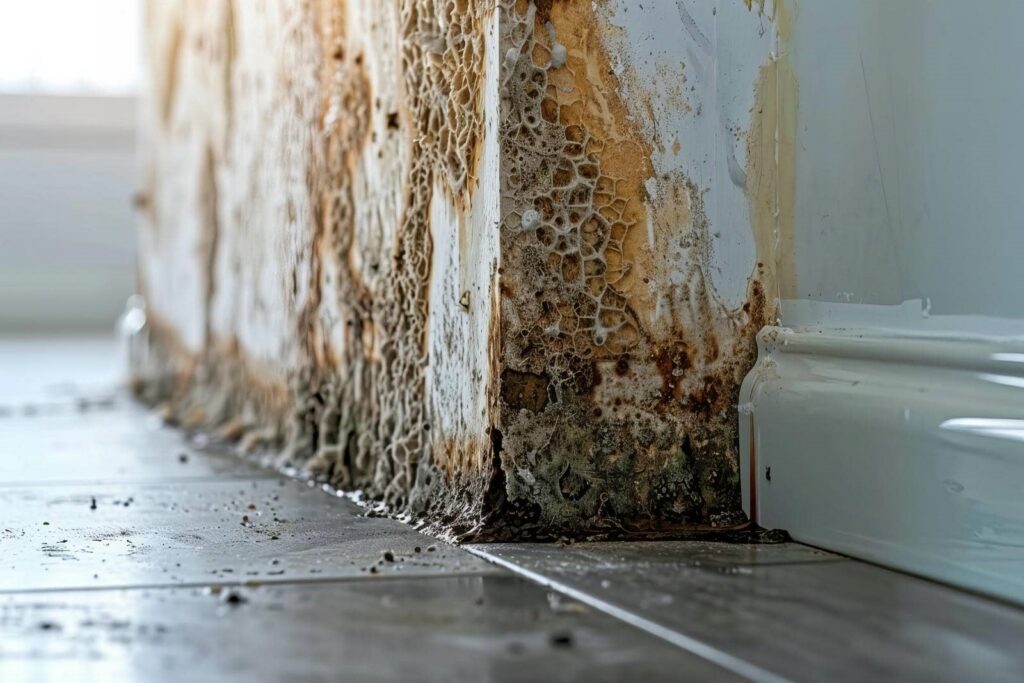
When you discover mold in your home, understanding your options for mold cleanup is essential. You can choose between tackling small infestations on your own or hiring professionals for extensive growth. Each approach has its merits, but the effectiveness often depends on the severity of the issue and your knowledge of mold removal techniques. Knowing when to act and what methods to employ can make a significant difference in safeguarding your health and property. What steps should you consider next?
Key Takeaways
- DIY Cleanup: Use protective gear, seal affected areas, and clean with water, detergent, or vinegar for minor mold issues.
- Professional Mold Removal: Hire experts for extensive growth in hidden areas, especially if health issues are present.
- Air Quality Testing: Conduct testing to identify airborne mold spores and ensure a safe environment during cleanup.
- Emergency Response: Seek immediate professional help for severe infestations to mitigate health risks and property damage.
- Cost Considerations: Evaluate cleanup costs and insurance coverage to determine the best financial approach for mold remediation.
Understanding Mold Growth: Why Quick Cleanup Matters
When you discover mold in your home, acting quickly is essential because mold can spread rapidly, posing health risks and damaging your property.
Understanding the mold lifecycle helps you grasp why immediate cleanup matters. Mold spores thrive in damp environments, and once they settle, they can multiply within 24 to 48 hours.
The longer you wait, the more extensive the damage and potential health effects, such as respiratory issues or allergies, can become.
Exposure to mold can affect everyone differently, but for sensitive individuals, even small amounts can trigger severe reactions.
When to Hire Mold Removal Experts
While you might feel tempted to tackle mold cleanup on your own, knowing when to hire mold removal experts is vital for securing both your safety and the effectiveness of the remediation.
If you notice extensive mold growth—especially in hidden areas like walls or ceilings—it’s time to call in professionals. They offer specialized mold inspection services to assess the situation accurately.
Additionally, if you or anyone in your home has respiratory issues, seeking expert help is important. Mold can pose significant health risks, and professionals can provide emergency response to mitigate these hazards.
DIY Mold Cleanup Options: What You Need to Know
Before diving into DIY mold cleanup, it’s vital to understand the risks and techniques involved. While tackling mold on your own can save money, you need to prioritize safety.
Here are key mold removal techniques and safety precautions to take into account:
- Wear protective gear like gloves, masks, and goggles.
- Seal off the affected area to prevent spores from spreading.
- Use a mixture of water and detergent for cleaning, or think about vinegar for added effectiveness.
- Ensure proper ventilation while you work to minimize inhalation risks.
Comparing Popular Mold Removal Products: Effectiveness and Safety
After considering DIY methods for mold cleanup, you might want to explore the various commercial mold removal products available. Many of these products promise effective results, but their effectiveness often depends on the type of mold and the surface being treated.
Some popular options include bleach-based solutions, which can kill mold on non-porous surfaces, and enzyme cleaners that break down mold spores.
However, always consult safety guidelines before use; some products contain harsh chemicals that can pose health risks. Look for EPA-approved options with clear instructions.
The Role of Air Quality Testing in Mold Cleanup
Air quality testing plays an essential role in mold cleanup by identifying any airborne spores that could affect your health.
Understanding the testing methods available helps you make informed decisions about the effectiveness of your cleanup efforts.
Importance of Air Quality
While you may be focused on visible mold removal, the importance of air quality often takes a backseat in mold cleanup efforts. Ensuring good air quality is essential for your health and safety.
Poor air quality can exacerbate toxin exposure from airborne pollutants, leading to various health effects.
To enhance air quality during your mold cleanup, consider these strategies:
- Regularly check ventilation systems to ensure they’re effective.
- Control humidity levels to prevent mold regrowth.
- Incorporate indoor plants that can improve air quality naturally.
- Adopt maintenance practices that prioritize the integrity of building materials.
Testing Methods Explained
How can you ensure your mold cleanup is thorough and effective? One vital step is mold testing. By employing various sampling methods, you can identify the presence and concentration of mold spores in your environment.
Air quality testing provides insights into indoor air contamination, helping you understand the extent of the problem. Common sampling methods include air sampling, surface sampling, and bulk sampling.
Air sampling captures spores in the air, while surface sampling checks specific areas for mold growth. Each method has its strengths, so choosing the right one is essential for accurate results.
Ultimately, these tests confirm the need for cleanup and guide your strategies, ensuring a healthier living space for you and your loved ones.
Preventing Mold Recurrence: Essential Tips and Tricks
To effectively prevent mold recurrence, it’s crucial to address moisture control in your home.
Maintaining ideal humidity levels and using mold-resistant materials can greatly reduce the risk of future infestations.
Here are some practical tips to keep your home mold-free:
- Use dehumidifiers in damp areas like basements.
- Ensure proper ventilation in bathrooms and kitchens.
- Repair any leaks in plumbing or roofing promptly.
- Opt for mold-resistant materials in renovations and repairs.
Insurance Considerations for Mold Cleanup
Understanding your insurance coverage for mold cleanup is essential, especially since not all policies handle mold damage the same way. Many homeowners face mold exclusions, limiting their coverage for damage.
Familiarize yourself with your policy limits and what restoration services are covered. When filing a claim, be prepared for damage assessments that can influence your financial assistance. This process can be complex, so it’s wise to document everything thoroughly.
Additionally, consider preventive measures like regular maintenance to avoid future issues. Knowing your rights and responsibilities ensures you navigate the claim process effectively, reducing potential stress.
What Will Mold Cleanup Cost You?
When considering mold cleanup costs, several factors come into play, including the extent of the infestation and the materials affected.
You’ll also need to decide between tackling the job yourself or hiring professionals, which can greatly impact your budget.
Understanding these elements will help you make an informed decision about your mold remediation plan.
Factors Affecting Mold Costs
While mold cleanup costs can vary considerably, several key factors influence the overall expense. Understanding these factors can help you make informed decisions about the best approach for your situation.
- Mold Types: Different mold types require varying cleanup methods, impacting costs.
- Extent of Damage: The larger the affected area, the more extensive the cleanup will be.
- Cleanup Methods: Professional remediation often costs more than DIY options, but effectiveness may vary.
- Location: Local market rates can greatly influence pricing, so costs may differ by region.
DIY vs. Professional Services
How do you decide between DIY mold cleanup and hiring professional services? Start by evaluating the extent of the mold problem.
If it’s small and manageable, you might consider using effective mold removal techniques at home. However, make sure you follow necessary safety precautions, like wearing masks and gloves, to protect yourself.
On the other hand, if the mold covers a large area or poses health risks, hiring professionals is wise. They’ve the expertise and equipment to handle severe infestations safely and efficiently.
While DIY options may save money initially, professional services often ensure thorough cleanup, potentially preventing future mold issues.
Ultimately, weigh the costs against the benefits to choose the best path for your situation.
Frequently Asked Questions
Can Mold Grow in My Car or Vehicle?
Yes, mold can grow in your vehicle, especially if moisture accumulates. Regular vehicle maintenance and mold prevention tips, like keeping the interior dry and cleaning spills promptly, help minimize the risk of mold growth.
How Long Does It Take for Mold to Grow?
Mold can sprout within 24 to 48 hours under the right conditions. Think of it like a seed thriving in rich soil; environmental factors like humidity and temperature drastically influence the mold growth timeline. Stay vigilant!
Is Mold Removal Covered by Home Warranties?
Mold removal typically isn’t covered by home warranty coverage, but some policies might include mold remediation options. It’s crucial to review your specific warranty terms to understand what’s included and what isn’t for your protection.
What Types of Mold Are Most Dangerous?
Toxic mold, like Stachybotrys chartarum, poses significant health risks, including respiratory issues and allergic reactions. You should identify and address these molds promptly to protect both your home environment and your well-being.
Can I Paint Over Mold Instead of Removing It?
Painting over mold is like covering a crack in a wall; it won’t solve the issue. Instead, focus on mold prevention tips and consider paint alternatives designed specifically for areas prone to moisture.
Wrap-Up
Tackling mold isn’t just a chore; it’s a necessity for your home’s health. Whether you choose to go the DIY route or enlist professionals, acting swiftly can save you from bigger headaches down the line. Think of mold cleanup as a shield against potential damage and health risks. By understanding your options and taking preventive measures, you can keep your space safe and sound, much like a gardener tending to their prized blooms.