
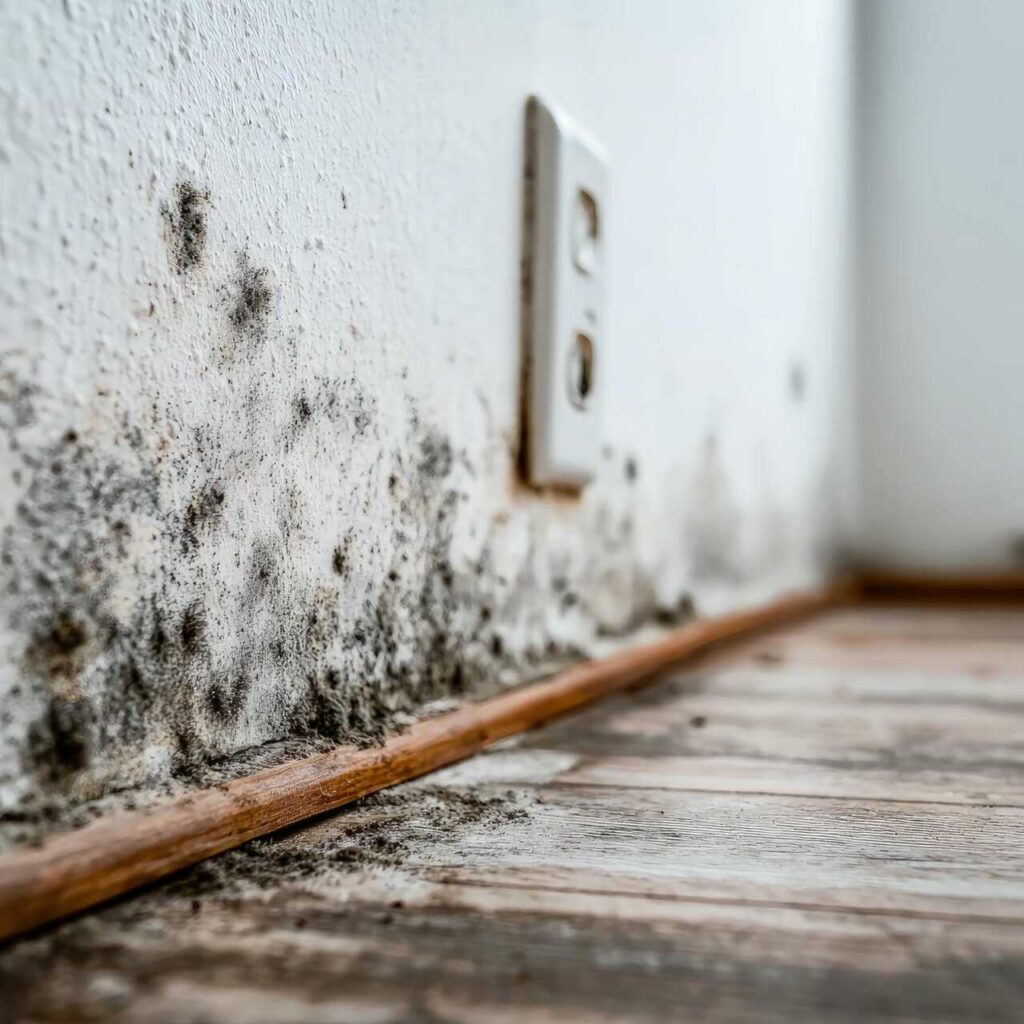
After flooding, professional mold remediation is essential to address the hidden dangers of mold growth. You’ll want to understand how experts identify and eliminate mold, ensuring your space is safe and healthy. This process involves thorough inspections, containment measures, and careful removal of contaminated materials. It’s not just about cleaning; it’s about protecting your health. What are the specific steps involved, and why is hiring professionals vital? Let’s explore further.
Key Takeaways
- Professional mold remediation involves assessing and identifying mold growth after flooding to ensure thorough removal and prevention.
- The process includes containment measures to prevent mold spores from spreading to unaffected areas.
- Experts use specialized equipment and techniques for safe removal of contaminated materials and improving air quality.
- Post-remediation inspections confirm the absence of mold, ensuring a safe environment for occupants.
- Hiring professionals streamlines insurance claims and ensures compliance with health and safety protocols.
Signs You Need Professional Mold Remediation
After flooding, it’s essential to recognize the signs that indicate you need professional mold remediation.
Look for visible mold growth, often appearing as black, green, or white patches on surfaces. If you notice a musty odor, it could signal hidden mold, impacting your indoor air quality.
Pay attention to unexplained health issues, like respiratory problems or allergies, as these can be linked to mold exposure. Use mold detection techniques, such as moisture meters or air sampling, to assess the extent of the problem.
If you find persistent dampness or discoloration, it’s vital to act quickly. Addressing these signs promptly can help restore a safe and healthy environment for you and your family.
Why You Should Hire Professionals for Mold Remediation
When dealing with mold after flooding, hiring professionals is essential for effective remediation. They understand various mold types and utilize advanced remediation techniques to tackle the issue efficiently.
Professionals assess the health impacts of mold exposure, ensuring your safety and that of your family. Their thorough inspection methods identify hidden mold, improving air quality and preventing further property damage.
They also provide valuable maintenance tips and prevention strategies to minimize future risks. Additionally, using experts can streamline your insurance claims process, ensuring you receive adequate coverage for damages.
How Flooding Triggers Mold Growth
Flooding creates the perfect environment for mold growth due to excessive moisture accumulation.
When conditions like warmth and organic material are present, mold can thrive rapidly.
If you postpone addressing the issue, the risks of structural damage and health hazards increase considerably.
Moisture Accumulation Factors
Moisture accumulation becomes a significant concern following heavy rainfall or flooding, as excess water infiltrates homes and buildings. This moisture can lead to mold growth if not addressed promptly.
Effective humidity control is vital; maintaining indoor humidity levels below 60% helps prevent mold. Implementing proper water drainage systems ensures that excess water is directed away from your property.
Ventilation improvement is also important, as stagnant air promotes moisture retention. Installing moisture barriers in basements and crawl spaces can further protect your building materials from water damage.
Ideal Growth Conditions
After heavy rainfall or flooding, conditions become ripe for mold growth due to the combination of warmth, moisture, and organic materials that often saturate your living spaces.
Various mold species thrive under specific growth requirements, typically requiring humidity levels above 60% and temperature ranges between 60°F and 80°F.
If ventilation issues exist, stagnant air can exacerbate the problem, allowing spores to proliferate on different surface types like wood, drywall, and carpet.
Water sources from leaks or flooding provide the necessary moisture, while organic materials such as dust and debris serve as food for mold.
Understanding these ideal growth conditions is essential for effective remediation and preventing future infestations in your home.
Delayed Response Risks
When you delay addressing water damage from flooding, the risk of mold growth markedly increases. This delayed cleanup can lead to long-term damage, compromising your property’s structural integrity.
Mold poses significant health hazards, and it can also create financial implications, especially when you consider potential insurance claims. Insurers often require prompt action to cover damages, and neglecting this can result in denied claims.
Additionally, mold can exacerbate environmental concerns, affecting indoor air quality. To protect your home and health, it’s crucial to implement safety precautions immediately after flooding.
Common Health Risks of Mold Exposure
Mold exposure can lead to significant respiratory issues, particularly for those with pre-existing conditions.
You might also experience allergic reactions, ranging from mild irritation to severe symptoms.
Understanding these health risks is essential for effective mold remediation and safeguarding your well-being.
Respiratory Issues
Exposure to mold can lead to significant respiratory issues, particularly for individuals with preexisting conditions or weakened immune systems.
You might experience various respiratory symptoms that can worsen over time, especially if exposure continues.
Here are some common health risks associated with mold exposure:
- Coughing: Persistent or worsening cough that doesn’t seem to go away.
- Wheezing: A whistling sound when you breathe, indicating airway constriction.
- Shortness of Breath: Difficulty breathing, especially during physical activities.
- Chest Tightness: A feeling of pressure or discomfort in the chest area.
- Exacerbation of Chronic Conditions: Existing asthma or COPD symptoms may intensify.
Addressing mold promptly is essential to reduce these risks and safeguard your respiratory health.
Allergic Reactions
Allergic reactions can occur rapidly after coming into contact with mold spores, particularly for those who are sensitive or allergic. When exposed, your immune response may trigger allergy symptoms such as sneezing, runny nose, itchy eyes, and skin rashes.
These reactions happen because your body identifies mold as a harmful invader, leading to inflammation and discomfort. If you have asthma or other respiratory issues, mold exposure can worsen your symptoms.
It’s essential to recognize these reactions early, as prolonged exposure can lead to more severe health complications. By understanding how mold affects your body, you can take proactive steps to mitigate risks and maintain a healthy environment, fostering a sense of safety and belonging in your living space.
Understanding the Mold Remediation Process
When water damage occurs, understanding the mold remediation process becomes essential for restoring a safe environment.
You’ll want to follow these key steps to ensure effective remediation:
Mold Identification Techniques: Use visual inspections and air quality tests to identify mold presence.
Containment Measures: Seal off affected areas to prevent spores from spreading.
Personal Protective Equipment (PPE): Follow remediation safety protocols by wearing masks, gloves, and protective clothing.
Removal Procedures: Safely remove contaminated materials like drywall or carpeting.
Post-Remediation Verification: Conduct air tests to confirm the absence of mold before reoccupying the space.
Tools Used in Mold Remediation
To effectively tackle mold remediation, you’ll need a variety of specialized tools designed to ensure thoroughness and safety.
Essential equipment includes moisture meters for accurate mold testing, allowing you to identify affected areas. HEPA vacuums are essential for removing mold spores while ensuring they don’t spread.
Containment methods, such as plastic sheeting and negative air machines, help isolate contaminated zones, preventing cross-contamination. Personal protective equipment (PPE) like masks and gloves safeguards you during the process.
Additionally, dehumidifiers are critical for reducing moisture levels, hindering mold growth. Each tool plays a significant role in achieving a detailed remediation, ensuring not just a clean space but a healthier environment for you and your community.
How Long Does Mold Remediation Take?
When you consider mold remediation, several factors influence how long the process takes.
The extent of the damage, the affected materials, and the environmental conditions all play a vital role.
Typically, you can expect the timeline to range from a few days to several weeks, depending on these variables.
Factors Influencing Duration
Several factors influence how long mold remediation takes, including the extent of the water damage, the type of materials affected, and the environmental conditions in your space. Understanding these elements helps you anticipate the timeline effectively.
Key factors include:
Extent of water damage: More damage often means more time for remediation.
Mold species: Certain species grow faster and are harder to remove.
Affected materials: Porous materials like drywall may need replacement.
Environmental factors: Humidity and temperature can speed up or slow down mold growth.
Accessibility: How easily technicians can access the affected areas impacts the duration.
Typical Timeline Overview
Understanding how long mold remediation takes is essential for homeowners facing the aftermath of flooding. Typically, the process can span from a few days to several weeks, depending on the severity of the infestation and the remediation techniques employed.
Initially, professionals assess the affected area, which may take 1-2 days. Next, they’ll implement containment measures to prevent mold spores from spreading, often requiring another day or two.
The actual removal and cleanup phase can last from 3 to 7 days, depending on the mold lifecycle and the materials involved. Finally, post-remediation inspections and air quality testing may add a few more days.
Being informed about this timeline helps you prepare effectively for a mold-free environment.
Understanding Mold Remediation Costs
How much should you expect to pay for mold remediation after flooding? Understanding remediation costs is essential for managing your budget.
The total can vary based on several factors, including the extent of the damage and the mold removal techniques employed. Here’s a breakdown of what influences costs:
Size of the affected area: Larger spaces require more resources.
Type of mold: Some molds are more challenging to remove.
Labor costs: Hiring certified professionals can increase expenses.
Necessary repairs: Structural damage may need fixing before remediation.
Containment measures: Additional barriers might be needed to prevent spread.
Being informed helps you navigate the process and ensures you invest wisely in protecting your home.
Preventing Future Mold Growth After Remediation
After completing mold remediation, it’s important to take proactive steps to prevent future growth, as lingering moisture and humidity can quickly lead to new infestations.
Implementing effective preventive measures is vital. Start by ensuring proper ventilation in your home, especially in areas like basements and bathrooms.
Regularly check for leaks and repair them promptly to eliminate water sources. Consider using dehumidifiers to maintain indoor humidity levels between 30-60%.
Long-term strategies can include installing vapor barriers in crawl spaces and choosing mold-resistant materials for renovations.
Educate yourself and your family about mold risks and signs, fostering a collective commitment to a mold-free environment.
Choosing the Right Mold Remediation Company
When it comes to selecting the right mold remediation company, what criteria should you prioritize? You want a company that addresses your mold issues and instills confidence in its expertise.
Here are key factors to take into account:
Mold Remediation Certifications: Verify they have the proper credentials.
Company Reputation: Look for reviews and testimonials from previous clients.
Experience: Assess their track record in handling similar situations.
Insurance and Liability: Confirm they carry adequate insurance coverage.
Clear Communication: Choose a company that explains the process and answers your questions.
Frequently Asked Questions
Can I Stay in My Home During Mold Remediation?
You shouldn’t stay in your home during mold remediation. Mold safety measures require vacating, as air quality can deteriorate. Leaving ensures your health isn’t compromised while professionals effectively eliminate mold and restore a safe environment.
What Types of Mold Are Commonly Found After Flooding?
After flooding, around homes, mold types like Stachybotrys and Aspergillus can occur. Understanding these mold types in the flood aftermath helps you prioritize safety and take necessary steps for effective remediation.
Will Homeowners Insurance Cover Mold Remediation Costs?
Homeowners insurance may cover mold remediation costs, but it depends on your specific insurance policies and whether the mold resulted from a covered event. Always check your policy for mold coverage details to avoid surprises.
How Can I Identify Hidden Mold in My Home?
Finding hidden mold’s like searching for a needle in a haystack! Use mold detection methods like moisture meters and thermal imaging. Check hidden moisture sources, such as leaks or condensation, to uncover potential mold growth.
What Should I Do if I See Mold Regrowing?
If you see mold regrowing, implement mold prevention strategies immediately. Address moisture sources, improve ventilation, and clean affected areas thoroughly. Ignoring it can lead to health effects, so act quickly to protect your home and well-being.
Recap
Professional mold remediation after flooding isn’t just about removing mold; it’s about restoring your space and safeguarding your health. Coincidentally, the very moisture that triggered the mold can also foster a healthy environment if managed correctly. By hiring experts, you’re addressing immediate concerns and preventing future issues. Remember, a thorough remediation process today can lead to a healthier tomorrow, ensuring your home remains a safe haven for you and your loved ones.