
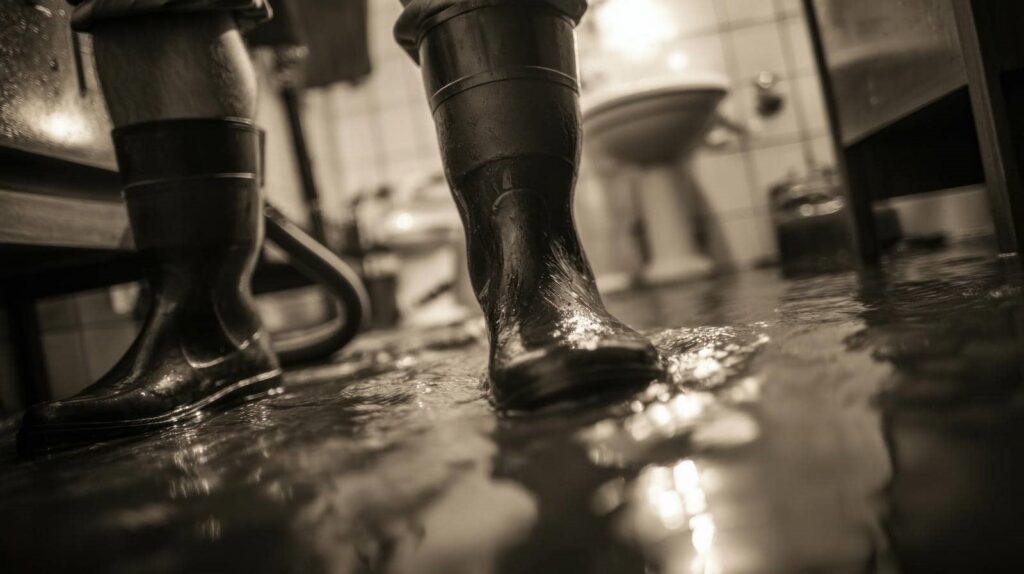
Imagine finding yourself in a scene reminiscent of a disaster movie, but this is your reality. When sewage spills occur, quick action is vital. You need to assess the situation, prioritize safety, and gather the right supplies. Each step you take can determine the outcome of your sewage cleanup efforts. What are the best practices to guarantee you handle the situation efficiently and safely? Let’s explore the essential tips to navigate this challenging task.
Key Takeaways
- Quickly assess the situation to identify the sewage source and document damage for insurance purposes.
- Ensure safety by wearing protective gear and keeping a safe distance from contaminated areas.
- Gather essential cleanup supplies, including disinfectants, absorbent materials, and heavy-duty bags for hazardous waste.
- Isolate the affected area to prevent further contamination and implement spill response techniques effectively.
- Seek professional help for persistent sewage odors or extensive backups to ensure proper cleanup and safety.
Assess the Situation Quickly
When you face a sewage emergency, quickly evaluating the situation is vital to prevent further damage and guarantee safety.
Start with a quick evaluation of the affected area. Identify the source of the sewage and determine the extent of the overflow.
A thorough damage assessment is essential; look for signs of contamination, structural damage, and potential hazards. Check if any appliances or electrical systems are at risk.
Document everything for insurance purposes, including photos of the area. This organized approach not only helps in managing the immediate crisis but also prepares you for any necessary professional assistance.
Prioritize Safety First
After evaluating the situation, your next step is to prioritize safety. This means implementing safety protocols to protect yourself and others.
First, make certain everyone’s at a safe distance from the contaminated area. Wear protective gear, such as gloves and masks, to minimize exposure.
It’s vital to have an emergency kit readily available; it should contain essential items like disinfectants, gloves, and a first-aid kit.
Before starting any cleanup, familiarize yourself with the hazards involved, including potential pathogens.
If you’re unsure or the situation seems overwhelming, don’t hesitate to call professionals.
Taking these precautions not only safeguards your health but also fosters a sense of community, as you’re looking out for the well-being of those around you.
Essential Supplies for Effective Sewage Cleanup
Regardless of the scale of the sewage incident, having the right supplies is crucial for effective cleanup. Start with quality cleaning supplies and disinfectant solutions to eliminate pathogens.
Equip yourself with proper safety equipment, including moisture absorbers and containment tools, to manage spills efficiently. Don’t forget protective clothing; it’s important for keeping you safe from contaminants.
For waste disposal, make sure you have heavy-duty bags and containers designed for hazardous materials. Familiarize yourself with proper cleanup procedures to streamline the process.
Use Protective Gear During Cleanup
Using protective gear during sewage cleanup is crucial for safeguarding your health.
Start with robust protective clothing to shield your skin from contaminants. Don’t forget safety goggles to protect your eyes from splashes and debris. Rubber gloves are a must; they prevent direct contact with hazardous materials and reduce contamination risks.
For airborne particles, respirator masks are essential to guarantee you breathe safely.
Maintain hazard awareness by evaluating the area before beginning your cleanup, as this helps identify potential dangers. Following proper cleanup protocols is imperative, so always prioritize personal hygiene afterward.
Contain the Sewage Spill Immediately
Once you’ve donned your protective gear, it’s vital to contain the sewage spill immediately to prevent further contamination. Effective sewage containment methods play a significant role in minimizing health risks.
Start by isolating the affected area, ensuring that no one can enter. Use appropriate barriers, such as:
- Absorbent materials to soak up the sewage
- Sandbags to divert flow if needed
- Plastic sheeting to enclose the area
Implementing these spill response techniques can limit the spread of contaminants and protect surrounding spaces.
Find and Fix the Sewage Source
To effectively address a sewage spill, you must first locate and fix the source of the issue.
Start by using sewage detection methods like inspecting visible pipes for cracks or leaks. Check for unusual odors or wet patches, which can indicate a problem.
Regular plumbing maintenance tips, such as monitoring your system for clogs and ensuring proper venting, can help prevent future issues.
If you can’t identify the source yourself, don’t hesitate to call a professional. They can perform advanced diagnostics to pinpoint the problem.
Remember, addressing the root cause is essential not just for cleanup, but also for preventing further damage and health risks.
Taking these steps fosters a safer environment for you and your community.
How to Dispose of Contaminated Materials Safely
When you’re dealing with contaminated materials, the first step is to identify what’s unsafe to keep.
Make sure you know the local regulations for disposal, as they vary by area.
Proper disposal not only protects your health but also the environment.
Identify Contaminated Materials
Identifying contaminated materials is essential for ensuring safety during sewage cleanup. Recognizing contamination signs early can prevent further health risks.
You’ll want to focus on specific material types that are most vulnerable. Here are key items to look for:
- Soaked or stained fabrics: Carpets, curtains, and clothing that have absorbed sewage should be considered contaminated.
- Wooden items: Furniture or structures that show signs of swelling or discoloration may harbor harmful pathogens.
- Paper products: Books, magazines, and other paper items that are wet can easily become breeding grounds for bacteria.
Follow Local Regulations
Once you’ve identified contaminated materials, understanding how to dispose of them safely is essential.
Start by contacting local authorities to verify you’re following sewage regulations. Each area has specific guidelines on how to handle hazardous waste, so familiarize yourself with these rules.
Proper disposal often involves designated collection sites or special waste programs. Avoid simply throwing contaminated items in your regular trash, as this could pose health risks to others.
Instead, sort materials according to local guidelines, separating solid waste from liquids. If you’re unsure, don’t hesitate to ask local officials for assistance.
Following these regulations not only protects your community but also fosters a sense of responsibility and belonging in maintaining a safe environment for everyone.
Thorough Sewage Cleanup: Disinfect Affected Areas
To effectively tackle sewage contamination, you must prioritize disinfecting all affected areas. This step is essential in preventing health risks and ensuring a safe environment.
Use appropriate cleaning agents designed for sewage cleanup, as they provide effective disinfection.
- Identify all surfaces that came into contact with sewage
- Apply cleaning agents thoroughly, following manufacturer instructions
- Rinse surfaces with clean water after disinfecting
Monitor for Mold Growth
After a sewage cleanup, it’s essential to monitor for mold growth in moisture-prone areas.
Use mold testing kits to assess any hidden threats and implement prevention strategies to minimize future risks.
Staying proactive can greatly reduce health hazards associated with mold exposure.
Identify Moisture-Prone Areas
Identifying moisture-prone areas in your home is essential since stagnant water can quickly lead to mold growth. Effective moisture detection helps you prevent water damage before it escalates. Look for spots where humidity levels are high or water collects easily.
- Basements and crawl spaces: Often, these areas are dark and damp, perfect for mold.
- Bathrooms and kitchens: Regularly check under sinks and around fixtures for leaks.
- Around windows and doors: Inspect for condensation or water intrusion.
Use Mold Testing Kits
Once you’ve pinpointed moisture-prone areas in your home, monitoring for mold growth becomes an essential step in maintaining a healthy environment.
Using mold testing kits is an effective way to assess potential contamination. Familiarize yourself with various mold detection methods, such as air sampling or surface testing, to choose the right kit for your needs.
Follow the testing procedures carefully to guarantee accurate results. Make sure to collect samples from suspected spots and surrounding areas to get a thorough understanding of the situation.
Regular testing can help you stay ahead of mold issues, fostering a safe and welcoming space for you and your loved ones.
Don’t overlook this critical step in your emergency sewage cleanup efforts.
Implement Prevention Strategies
To effectively prevent mold growth, it’s crucial to implement proactive monitoring strategies in moisture-prone areas of your home.
Regular inspections and preventive maintenance can save you from extensive damage and health risks. Here are some key strategies to think about:
- Check for leaks: Inspect pipes, roofs, and basements for any signs of water intrusion.
- Control humidity levels: Use dehumidifiers in damp areas to maintain humidity below 60%.
- Ensure proper ventilation: Make sure bathrooms and kitchens are well-ventilated to reduce moisture accumulation.
When to Call for Professional Sewage Cleanup Help
Even if you think you can manage a sewage issue on your own, certain situations demand professional help.
If you notice a persistent sewage odor that you can’t eliminate, it’s time to call in the experts. Ignoring these smells can lead to serious sewage health risks, including exposure to harmful bacteria and pathogens.
Additionally, if the sewage backup is extensive or involves contaminated water, attempting a DIY cleanup could worsen the situation.
Professionals have the right tools and expertise for effective sewage odor removal and can guarantee your home is safe again.
When in doubt, don’t hesitate to reach out; your health and safety should always come first. Trusting experts can provide peace of mind during a stressful time.
Frequently Asked Questions
What Are Common Health Risks Associated With Sewage Exposure?
Sewage exposure can lead to serious health risks. You might experience symptoms like nausea, diarrhea, or respiratory issues due to sewage pathogens. Always prioritize safety to minimize these risks and protect your well-being.
Can I Use Bleach for Sewage Cleanup?
Using bleach for sewage cleanup isn’t the silver bullet you might hope for. While it has some effectiveness, safer alternatives like vinegar or specialized cleaners often work better without risking harmful fumes or damage.
How Long Does Sewage Cleanup Typically Take?
Sewage cleanup typically takes several hours to a few days, depending on factors influencing cleanup duration, like the extent of the damage, type of sewage, and available resources. You’ll want to assess your situation carefully.
Will Homeowners Insurance Cover Sewage Damage?
Surprisingly, your homeowner’s insurance might not cover sewage damage. Many policies include exclusions for sewage insurance coverage. Always review your policy, so you know what’s protected and avoid unpleasant surprises when disaster strikes.
What Signs Indicate a Sewage Backup Is Occurring?
You’ll notice signs like gurgling drains, slow drainage, and sewage odors. These indicate a potential backup. Regular maintenance and backup prevention measures can help you avoid these unpleasant situations and keep your home safe.
Final Thoughts
In the aftermath of a sewage emergency, think of your home as a ship maneuvering through stormy waters. By following these tips, you can steer your vessel back to safety and restore order. Remember, prioritizing safety and using the right supplies is essential. If the situation feels overwhelming, don’t hesitate to call in professionals they’re the lifeboat that can help you reach solid ground. Stay vigilant and proactive to prevent future mishaps.