
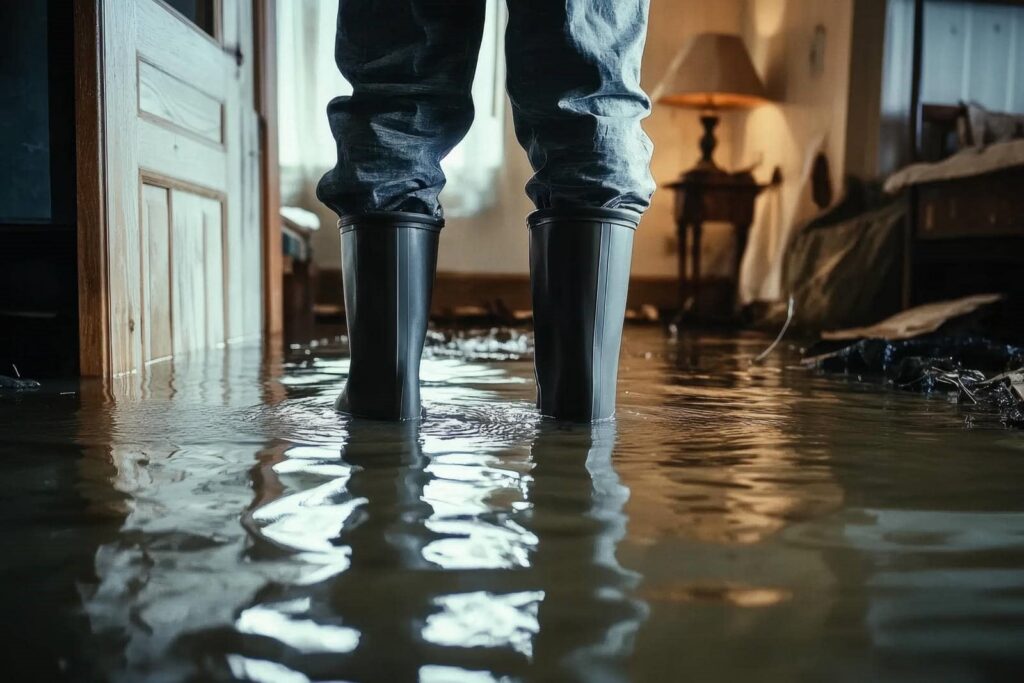
Did you know that nearly 50% of homes affected by flooding experience mold growth within 24 to 48 hours? This rapid development underscores the importance of swift action. You need to spot and eliminate moisture quickly, implement effective cleaning solutions, and apply proper drying and ventilation techniques. Understanding these methods can greatly reduce mold risks and safeguard your home. What steps should you consider to effectively tackle this pressing issue?
Key Takeaways
- Identify and Remove Moisture: Quickly locate and repair leaks, using dehumidifiers to lower humidity levels and prevent mold growth.
- Thorough Cleaning: Use vinegar or hydrogen peroxide solutions to clean affected surfaces, effectively cutting grime and neutralizing odors.
- Drying Techniques: Ensure all wet items are promptly dried, utilizing towels, mops, and fans to expedite the drying process.
- Improve Ventilation: Enhance air circulation by opening windows and using exhaust fans, promoting airflow in damp areas to aid drying.
- Regular Inspections: Conduct ongoing moisture inspections and maintain indoor humidity levels between 30-50% to prevent future mold issues.
Spot and Eliminate Moisture Quickly
To effectively combat mold growth, you need to spot and eliminate moisture quickly. Start by checking areas prone to dampness, like basements, bathrooms, and under sinks.
Use a moisture meter to identify hidden leaks or high humidity levels. Once you find the source, act fast: repair leaks and improve ventilation to enhance moisture control.
Dehumidifiers can also help maintain ideal humidity levels, ideally between 30-50%. Regularly inspect your home for signs of water damage, such as stains or peeling paint, which can indicate moisture issues.
By staying vigilant and proactive, you’ll create an environment that discourages mold growth, fostering a healthier living space for you and your loved ones.
Common Cleaning Solutions for Moisture Removal
While you may not realize it, using the right cleaning solutions can greatly enhance moisture removal in your home. One effective option is a vinegar solution, which not only cuts through grime but also neutralizes odors.
Mix equal parts of water and white vinegar in a spray bottle, and apply it to affected areas.
Another powerful choice is hydrogen peroxide, known for its antifungal properties. Use a 3% concentration, apply it to surfaces, and let it sit for about 10 minutes before wiping it down.
Both solutions are non-toxic and safe for most surfaces, making them ideal for your remediation efforts.
Apply Proper Drying and Ventilation Techniques
Effective moisture removal doesn’t stop at cleaning solutions; proper drying and ventilation techniques play an essential role in preventing mold growth.
Start by utilizing a dehumidifier to lower humidity levels in affected areas. Aim for a humidity level below 60%.
Additionally, enhance air circulation by opening windows and using fans to promote airflow. This combination helps to dry out surfaces faster, reducing the moisture that mold thrives on.
Make sure to regularly check hidden areas, like behind walls and under carpets, where moisture can linger.
By actively applying these techniques, you’ll create an environment less conducive to mold development, fostering a healthier living space for you and your family.
Prioritize these steps to safeguard your home against future mold issues.
Frequently Asked Questions
How Do I Identify Mold Types in My Home?
To identify mold types in your home, use mold identification methods like visual inspection, air sampling, and surface testing. Familiarize yourself with common mold types such as Aspergillus, Penicillium, and Stachybotrys for effective assessment.
What Health Risks Are Associated With Mold Exposure?
Mold health risks include respiratory issues, allergic reactions, and skin irritations. Exposure symptoms often manifest as coughing, sneezing, or fatigue. If you notice these signs, it’s essential to address mold growth promptly to protect your well-being.
Can I Remove Mold Myself or Hire Professionals?
You can tackle mold removal yourself, but consider this: do you really want to risk your health? If you choose DIY, follow proper precautions; otherwise, hiring professionals guarantees thorough mold removal methods and safety.
How Long Does Mold Remediation Typically Take?
Mold remediation typically takes one to five days, depending on the extent of mold growth and the remediation timeline. Factors like the area affected and moisture levels can influence how quickly you’ll see results.
Will Homeowners Insurance Cover Mold Damage?
Homeowners insurance often covers mold damage, but it depends on your policy limits and specific coverage. Think of it like a safety net; if it’s frayed, you might not catch every fall.
Final Thoughts
Promptly addressing moisture is essential for effective mold remediation after flood damage. While you might think professional help is necessary, implementing thorough drying, effective cleaning solutions, and enhancing ventilation can greatly mitigate mold growth. By taking these proactive measures yourself, you not only save time and money but also empower yourself to maintain a healthier living environment. Remember, the sooner you act, the less likely you’ll face extensive mold issues down the line.