
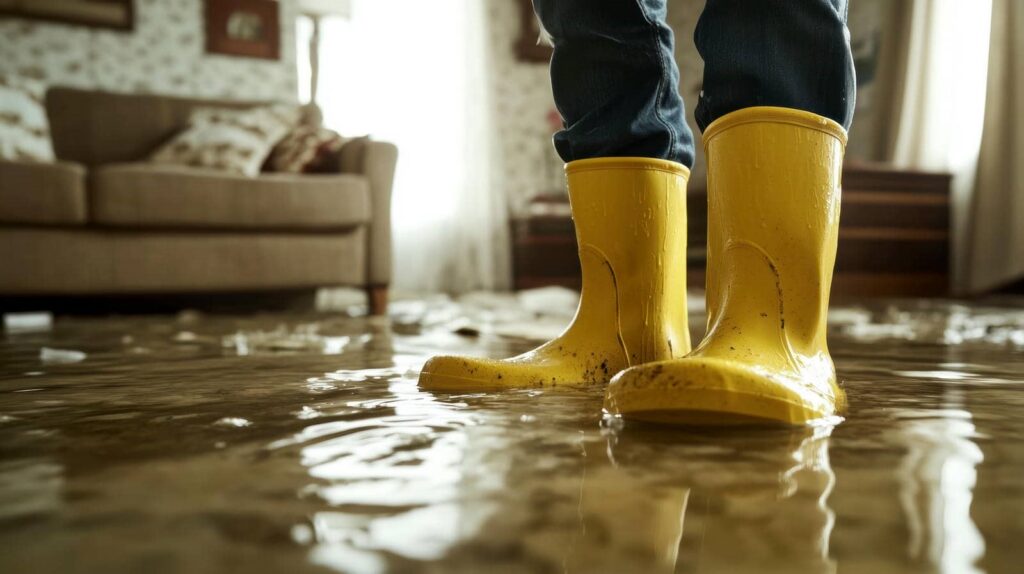
When faced with flood damage, knowing how to respond quickly can make all the difference. Acting fast with Flood Damage Cleanup helps minimize damage and protect your property. You’ll want to prioritize water removal and drying to prevent further issues. Let’s explore three effective tips that can help you tackle flood damage efficiently and protect your home.
Key Takeaways
- Remove standing water promptly using pumps or wet vacuums to minimize damage and prevent mold growth.
- Ensure thorough drying of affected areas by opening windows and using fans to enhance airflow.
- Monitor humidity levels regularly and utilize dehumidifiers to inhibit mold development in the environment.
- Wear safety gear, including gloves and boots, and avoid electrical hazards during cleanup.
- Seek professional assistance if damage is extensive to ensure effective recovery and safety.
How to Quickly Address Flood Damage Cleanup
When disaster strikes, tackling flood damage cleanup quickly is essential to minimizing loss and preventing further issues.
Start by removing standing water through efficient water extraction methods. Use pumps or wet vacuums to clear as much water as possible.
Once you’ve cleared the area, focus on drying everything thoroughly; this helps prevent mold growth. Open windows and use fans to increase airflow.
Don’t forget to address hidden spots where water might accumulate. Keep an eye on the humidity levels, as these can encourage mold.
If you notice any signs of mold, act quickly to remove it.
Ensure Safety First During Cleanup
Before diving into cleanup efforts, it’s essential to prioritize safety to protect yourself and others. Start by wearing appropriate safety gear, like gloves and boots, to shield against contaminants.
Be aware of electrical hazards; avoid standing water if the power’s still on, and unplug appliances to prevent shock. If you notice any frayed wires or damaged outlets, don’t hesitate to report them.
As you work, keep a first aid kit nearby in case of minor injuries. Remember, your well-being comes first. Take breaks, stay hydrated, and don’t rush the process.
When to Call in the Pros for Serious Damage
Sometimes, the damage from flooding can be overwhelming, making it clear that professional help is necessary. If you notice signs of mold growth or suspect water has seeped into walls, it’s time to call in the pros.
Mold remediation isn’t just about cleaning; it’s essential for your health and safety. Additionally, if your home suffers extensive structural damage, restoration services can make a significant difference in recovery.
Don’t hesitate to reach out to experts who understand the complexities of flood damage. They’ll provide the support you need, helping restore your space and peace of mind.
Frequently Asked Questions
How Do I Prevent Mold Growth After Flooding?
To prevent mold growth after flooding, you need moisture control. Dry out affected areas quickly, use dehumidifiers, and ensure proper ventilation. Regularly check for leaks or dampness to maintain a healthy environment. You’ve got this!
What Items Can Be Salvaged After Flood Damage?
You can salvage items like furniture through restoration and assess electronics for functionality. Carefully clean and dry them, but discard anything severely damaged. Your efforts can help restore a sense of normalcy and belonging.
How Long Does It Take to Dry Out a Flooded Area?
Drying out a flooded area can take days to weeks, depending on flood duration and drying techniques used. You’ll want to act quickly, as prompt action helps prevent further damage and fosters recovery.
Can I File an Insurance Claim for Flood Damage?
Yes, you can file a claim for flood damage if you have flood insurance. Start the claim process by documenting the damage, contacting your insurer, and following their guidelines to ensure a smoother experience.
What Are the Health Risks Associated With Floodwater?
Floodwater exposes you to waterborne illnesses and contamination sources. You risk infections, gastrointestinal issues, and skin irritations. It’s essential to stay safe, avoid contact, and seek medical help if you experience symptoms after exposure.
Review
In the wake of a flood, think of yourself as Odysseus traversing through chaos. By prioritizing quick water removal and drying, you’re not just restoring your home; you’re safeguarding your health. Remember, while DIY efforts can be heroic, sometimes even the greatest heroes need help. Don’t hesitate to call in professionals if the damage is overwhelming. Your safety and peace of mind should always come first as you set out on this recovery journey.