
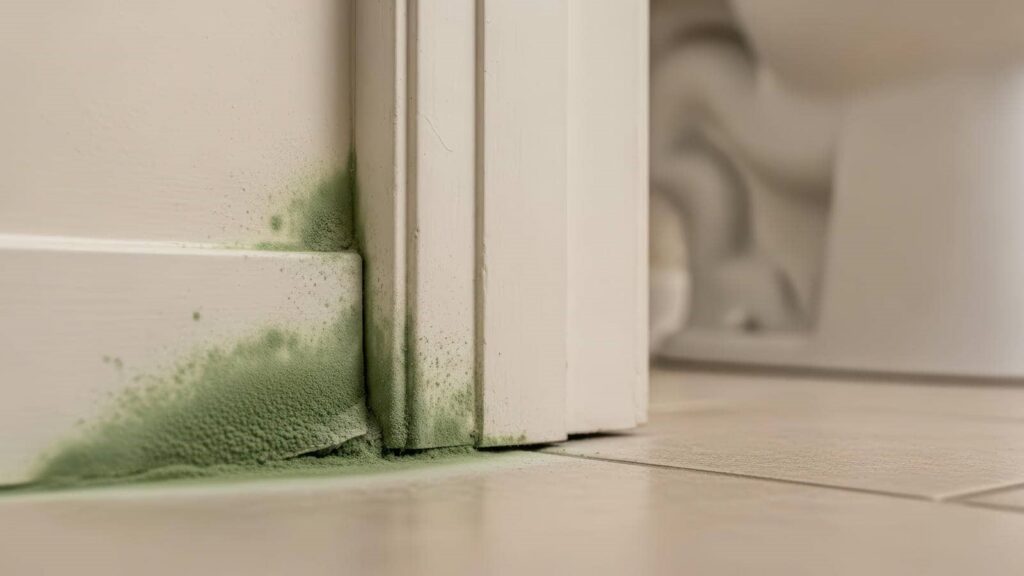
Mold can take over your home faster than you think, thriving in damp environments just 24 to 48 hours after water damage. You need to act quickly and know the right techniques to effectively remediate mold. From DIY methods to when to call in professionals, understanding the best practices is essential for your health and safety. Let’s explore the key steps you must take to keep your space mold-free and safe.
Key Takeaways
- Address moisture sources immediately to prevent mold growth within 24 to 48 hours after water damage.
- Wear protective gear, including an N95 mask and gloves, during mold remediation efforts.
- Use eco-friendly cleaning solutions like vinegar or baking soda for effective mold removal.
- Employ scrub brushes and HEPA vacuums for thorough cleaning of contaminated areas.
- Monitor the area for signs of regrowth after treatment and consult professionals for large infestations.
How Mold Grows After Water Damage
When water damage occurs, mold can start to grow within just 24 to 48 hours if the conditions are right.
The mold life cycle begins with spores, which are often present in the air. When these spores come into contact with moisture sources—like leaks, flooding, or high humidity—they can germinate. This process is accelerated by warmth and organic materials, providing an ideal environment for growth.
As the mold colonies develop, they produce more spores, perpetuating the cycle. Understanding this progression is essential for preventing extensive damage to your property.
Addressing moisture sources promptly and effectively is your first line of defense against mold proliferation. By doing so, you can safeguard your space and foster a healthier environment for everyone.
DIY Mold Removal: Your Step-by-Step Guide
Before you start your DIY mold removal, it’s essential to prioritize safety.
Equip yourself with protective gear and guarantee proper ventilation in the affected area.
Once you’re prepared, you can explore effective cleaning solutions to eliminate the mold safely and thoroughly.
Essential Safety Precautions
While tackling mold removal yourself can be rewarding, crucial safety precautions are imperative to protect your health.
First, always wear appropriate safety equipment, including gloves, goggles, and an N95 respirator mask, to minimize mold exposure.
Confirm your workspace is well-ventilated by opening windows or using fans, as this helps disperse airborne spores.
Before starting, seal off the area to prevent mold spores from spreading to other parts of your home.
It’s wise to have a plastic bag on hand for disposing of contaminated materials.
Remember, if you’re dealing with large infestations or toxic mold, it’s best to consult professionals.
Prioritizing these safety measures not only safeguards you but also promotes a healthier living environment for everyone.
Effective Cleaning Solutions
To effectively tackle mold removal, you’ll need a few reliable cleaning solutions that can penetrate and eliminate the spores.
Start with eco-friendly solutions like vinegar or baking soda, which are both effective and safe for your family and pets. Mix one cup of vinegar with a cup of water in a spray bottle, applying it directly to the affected area.
For tougher spots, consider using commercial cleaners specifically designed for mold remediation. Always follow the manufacturer’s instructions for best results.
Remember to wear protective gear when using any cleaner. After treatment, make sure the area is well-ventilated and monitor for any signs of regrowth.
Being proactive now will help you maintain a healthier environment moving forward.
Must-Have Tools for Successful Mold Remediation
To tackle mold remediation effectively, you’ll need specific tools that guarantee safety and efficiency.
Essential protective gear, effective cleaning solutions, and advanced detection equipment are vital for a successful process.
Essential Protective Gear
When tackling mold remediation, having the right protective gear is essential for your safety and effectiveness. You must equip yourself with protective clothing and respiratory protection to minimize exposure to harmful mold spores.
Here are three must-have items:
N95 Respirator Mask: Filters out 95% of airborne particles, ensuring you breathe safely.
Full-Body Tyvek Suit: Protects your skin and clothing from mold and contaminants, creating a barrier.
Chemical-Resistant Gloves: Safeguard your hands from harsh cleaning agents while providing grip and dexterity.
Investing in this essential protective gear not only enhances your safety but also empowers you to tackle mold remediation with confidence, knowing you’re part of a community committed to health and well-being.
Effective Cleaning Solutions
Effective mold remediation hinges on using the right cleaning solutions and tools. You’ll want to start with natural cleaners like vinegar or baking soda, which can effectively kill mold without harsh chemicals.
These eco-friendly options are safe for your family and pets, making them a smart choice for home use.
However, for more severe infestations, chemical solutions may be necessary. Products containing hydrogen peroxide or specialized mold removers can penetrate porous surfaces and eliminate stubborn spores.
Always follow the manufacturer’s instructions for application and safety.
Combine these solutions with proper tools, such as scrub brushes and HEPA vacuums, to guarantee thorough cleaning.
Advanced Detection Equipment
After addressing mold with appropriate cleaning solutions, the next step involves identifying hidden sources. Using advanced detection equipment is essential for effective mold remediation.
Here are some must-have tools:
Moisture meters: Measure the moisture content in materials, helping you locate damp areas prone to mold growth.
Thermal imaging cameras: Reveal temperature differences in surfaces, highlighting hidden leaks or moisture intrusion.
Air sampling pumps: Collect air samples to analyze for mold spores, ensuring you identify potential health risks.
With the right mold detection technology and moisture assessment tools, you can pinpoint problem areas accurately.
This not only helps in eliminating existing mold but also prevents future outbreaks, giving you peace of mind and a safe environment for you and your loved ones.
Choosing Between DIY and Professional Mold Removal
How do you decide between tackling mold removal yourself and hiring a professional?
While DIY can save you money, it comes with significant DIY limitations. If the mold covers a large area or is deeply embedded in structures, your efforts might fall short.
Professionals have specialized training and equipment, ensuring thorough removal and minimizing health risks. They also identify underlying moisture issues, addressing the root cause of mold growth.
On the other hand, if the infestation is small and manageable, DIY might be a viable option.
Just remember, the potential for reinfestation is higher without proper techniques. Weigh the risks and benefits carefully to make an informed choice that aligns with your needs and safety concerns.
Preventing Future Mold Growth After Water Damage
Addressing mold after water damage isn’t just about removal; it’s also about prevention. To keep mold at bay, focus on using mold resistant materials and maintaining humidity control in your space.
Here are some effective strategies:
- Install mold-resistant drywall and insulation
- Use dehumidifiers to regulate moisture levels
- Guarantee proper ventilation in bathrooms and kitchens
What Are the Health Risks of Mold Exposure?
What happens to your health when you’re exposed to mold? Mold exposure can trigger various health issues, particularly respiratory problems.
You might experience mold symptoms like coughing, sneezing, and nasal congestion. Those with asthma or allergies are especially vulnerable, as mold can exacerbate their conditions.
Long-term exposure may lead to more severe respiratory issues, including chronic bronchitis. You may also notice skin irritation or even headaches.
If you’re sensitive or have existing health conditions, it’s important to address mold problems promptly. Reducing exposure through effective remediation techniques can greatly lower health risks.
Staying informed and proactive guarantees you and your loved ones maintain a safe living environment free from harmful mold.
Frequently Asked Questions
How Long Does Mold Take to Grow After Water Damage?
Mold growth can start within 24 to 48 hours after water damage. To prevent it, focus on moisture control by drying affected areas quickly and maintaining low humidity levels in your environment.
Can Mold Return After Successful Removal?
Yes, mold can return after successful removal if you don’t tackle moisture control. Think of it as a stubborn weed; without proper mold prevention tips, it can sprout back, thriving in damp conditions. Stay vigilant!
What Types of Mold Are Most Common After Water Damage?
After water damage, you’ll commonly encounter black mold and toxic mold, both thriving in high indoor humidity. Mold spores proliferate near water sources, so effective mold prevention is essential to safeguard your environment.
Is Mold Visible to the Naked Eye?
Yes, mold is often visible to the naked eye, with about 30% of mold types easily identifiable. For effective mold identification, look for discolorations or fuzzy patches on surfaces, indicating potential growth and health risks.
How Can I Identify Hidden Mold in My Home?
To identify hidden mold, check for damp areas, unusual odors, or discoloration on walls. Use mold detection kits or hire professionals for thorough inspections, ensuring you address potential health risks and maintain a safe home environment.
To Sum Up
Tackling mold after water damage requires prompt action and the right techniques. Just as a knight wouldn’t go into battle without armor, you shouldn’t attempt mold remediation without protective gear and effective tools. Whether you choose DIY methods or hire professionals, vigilance is key to preventing regrowth. By addressing moisture and regularly monitoring the area, you can safeguard your health and guarantee a mold-free environment for years to come.