
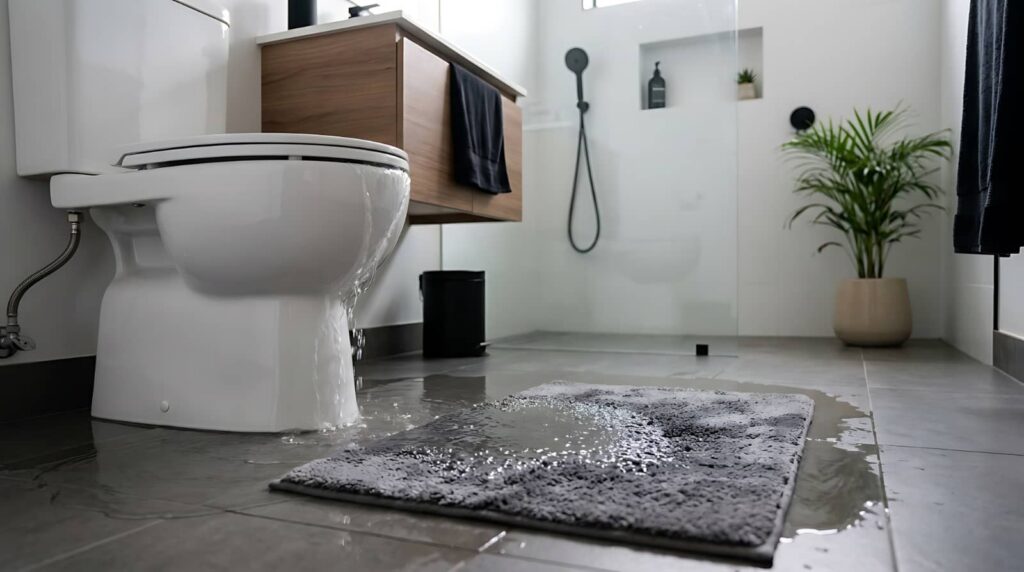
When sewage backs up after flooding, you need to act fast and protect yourself first. Emergency Sewage Cleanup starts by shutting off water use, keeping people and pets out of the area, and isolating contaminated spaces. Before cleanup begins, use appropriate protective equipment and avoid direct contact with sewage while arranging the proper equipment and disinfecting supplies. The next steps can limit damage, but only if you handle them in the right order.
Key Takeaways
- Shut off water use immediately and prevent further sewage backup by closing the main cleanout if it is safe.
- Keep people and pets away from contaminated areas and contact a licensed plumber or utility for source identification.
- Wear gloves, waterproof boots, coveralls, and an N95 or better respirator before handling sewage.
- Remove standing water and debris quickly, then disinfect contaminated surfaces with sewage-safe cleaners.
- Dry the area thoroughly with fans and dehumidifiers to prevent mold growth and hidden moisture damage.
Stop the Backup and Stay Safe
If sewage is backing up, you need to act fast to stop the flow and protect yourself.
Shut off water use immediately, and don’t flush, drain, or run appliances that feed the line. If you can reach the main sewer cleanout safely, close it to limit further release.
Keep people and pets out of the affected area, and seal off nearby rooms so you protect your crew at home.
Contact your utility or a licensed plumber now for backup prevention and to find the source.
Stay away from standing wastewater, because sewage safety depends on limiting exposure from the start.
If you smell gas, hear hissing, or see rising levels, leave the space and call emergency services right away.
Gather PPE and Cleanup Supplies
Before you start cleanup, gather the right PPE and supplies so you can work safely and efficiently. You need protective equipment that blocks sewage exposure and cleanup tools that help you control contamination fast.
Choose items you can trust, and check each one before you enter the area. Your crew’s safety depends on preparation.
- Heavy-duty gloves
- Waterproof boots and coveralls
- N95 or better respirator
- Disinfectant, absorbent pads, and trash bags
Keep a handwashing station, duct tape, and disposable towels nearby. Use sealed containers for contaminated waste, and label them clearly.
If anything tears, breaks, or runs out, stop and replace it at once. We’re in this together, and the right gear helps you move with confidence, protect your team, and start recovery the right way.
Remove Standing Water and Debris
Start by removing standing water as quickly as possible, because pooled sewage spreads contamination and slows drying.
Use water extraction techniques like a wet vac, submersible pump, or transfer pump to pull liquid from low spots, corners, and drains.
Work from the cleanest area toward the most contaminated so you don’t track sludge back through your space.
After each pass, empty the equipment safely and keep hoses clear.
Next, use debris removal methods to lift out mud, soaked drywall, broken items, and waste without shaking them loose.
Place everything in heavy-duty bags or lined containers, then seal them tight.
Move steadily, stay with your team, and keep the path open so you can clear the area faster and protect everyone involved.
Disinfect Contaminated Surfaces
Once the standing water is gone, you need to disinfect every contaminated surface with a sewage-safe antimicrobial cleaner. Wear gloves, eye protection, and a mask, then prepare fresh sanitizing agents exactly as directed.
Work from cleaner zones toward the dirtiest areas so you don’t spread contamination back into your safe space. Scrub all hard surfaces, then apply surface treatment with enough contact time to kill pathogens.
- Use labeled disinfectants for sewage exposure.
- Replace cloths when they become soiled.
- Rinse food-contact areas after treatment.
- Discard porous items that can’t be cleaned.
Stay methodical and keep your crew coordinated. If a surface still smells foul or feels slimy, clean it again immediately.
Your home can be reclaimed, but only if you disinfect with discipline and speed.
Dry the Area to Prevent Mold
As soon as disinfection is complete, dry every affected surface fast to stop mold from taking hold. Open windows if weather allows, and run fans to move air across floors, walls, and baseboards.
Use dehumidifiers to pull moisture from the space and keep humidity low for mold prevention. Lift rugs, bedding, and furniture cushions so air can reach hidden wet zones. Remove saturated materials that won’t dry within 24 to 48 hours.
Check behind cabinets, under trim, and inside wall cavities; trapped water can reignite contamination. Use drying techniques like air movers and heat only with ventilation, so you don’t spread odors or spores.
Stay together, stay alert, and document progress until every surface feels dry and stable.
Frequently Asked Questions
How Soon Should Insurance Be Notified After Sewage Flooding?
Notify your insurer immediately, ideally within 24 hours. You’ll protect your claim, confirm your insurance policies and flood coverage, and speed response. Document damage, keep receipts, and follow your adjuster’s instructions closely.
Can Contaminated Carpet Be Saved After Sewage Exposure?
Usually, you shouldn’t save it. After sewage exposure risks, your carpet can harbor pathogens like a soaked sponge. You’ll need contaminated carpet restoration only if a pro confirms limited exposure and rapid, complete drying.
When Should a Professional Sewage Cleanup Team Be Called?
You should call a professional sewage cleanup team immediately if contamination’s extensive, you’ve got backups, or sewage’s reached porous materials. They’ll use safe cleanup methods, protect sewage safety, and help your household recover together.
How Do I Document Flood Damage for a Claim?
Document flood damage by photographing every affected area, item, and serial number, then list dates, estimates, and receipts. You’ll strengthen insurance claims and help your community recover fast. Keep copies, organize files, and submit promptly.
What Health Symptoms Require Medical Attention After Exposure?
You need medical attention if you develop fever, vomiting, diarrhea, worsening cough, skin redness, or eye pain; these health risks can signal infection signs. Don’t wait—seek urgent care, and tell others you’re getting checked.
Summary
When sewage backs up, you’ve got to act fast—faster than a storm surge in a thunderstorm. Shut off water use, seal off the area, and protect yourself with gloves, boots, and a respirator. Remove standing water, scrub and disinfect every contaminated surface, then dry the space like your life depends on it, because mold can explode into a bigger disaster. Stay sharp, stay safe, and don’t let a filthy flood turn into a full-blown emergency.