
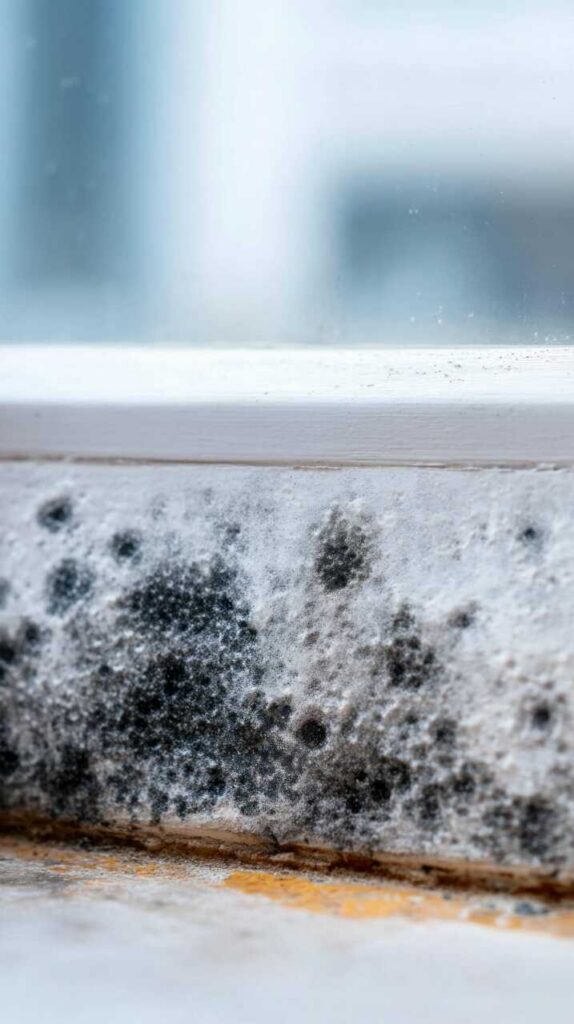
Mold growth after a sewage backup poses serious health risks that shouldn’t be ignored. You need to understand how mold thrives in such conditions and recognize the signs of damage in your home. Proper protective gear is essential for your safety, and containment is critical to prevent further contamination. But the process doesn’t stop there. What steps should you take next to ensure a thorough remediation?
Key Takeaways
- Identify and document visible mold and moisture damage to prioritize remediation efforts and support insurance claims.
- Use protective gear, including gloves, masks, and goggles, to ensure safety during the cleanup process.
- Contain the affected area with plastic sheeting to prevent mold spores from spreading during remediation.
- Thoroughly clean and disinfect surfaces with EPA-approved products, removing contaminated materials before drying completely.
- Consider hiring professionals if mold growth is extensive or health issues arise, ensuring early intervention and effective remediation.
Why Mold Grows After Sewage Backup: Risks You Need to Know
When sewage backup occurs, it creates an environment ripe for mold growth due to the combination of moisture and organic material present. This situation poses serious health hazards, as mold spores can easily spread throughout your home.
You mightn’t realize that certain molds release mycotoxins, which can trigger respiratory issues, allergic reactions, and even long-term health complications. The risk is heightened in enclosed spaces where ventilation is poor.
If you notice a musty smell or visible mold, it’s essential to act quickly. Understanding these risks helps you appreciate the importance of prompt cleanup and remediation.
How to Spot Damage After a Sewage Backup
After a sewage backup, identifying damage quickly is essential to prevent further complications. You need to perform a thorough damage assessment to spot issues that might lead to mold growth.
Look for signs in key areas:
- Stains or discoloration on walls and ceilings, indicating moisture infiltration.
- Warped or buckled flooring, suggesting that water has compromised the material.
- Musty odors, a clear signal that mold might be developing in hidden spaces.
Addressing these indicators early can save you from larger problems down the line.
Document your findings to aid in the remediation process, and don’t underestimate the importance of acting swiftly—timely intervention is vital in safeguarding your home and health.
Must-Have Protective Gear for Safe Cleanup
Proper protective gear is essential for safe cleanup after a sewage backup. Start by wearing thick, durable protective gloves to shield your hands from harmful contaminants.
Safety goggles will protect your eyes from splashes and mold spores, which can irritate. A respirator mask is vital for filtering out airborne toxins, ensuring you breathe safely. Waterproof boots keep your feet dry and shielded from contaminated surfaces.
Don’t overlook protective suits; they cover your clothing and skin, preventing exposure to pathogens. After handling materials, use hand sanitizers to thoroughly clean your hands.
Steps to Contain the Affected Area
Once you’ve geared up for safety, the next step is to contain the affected area to prevent further contamination.
Setting up effective containment barriers is essential. This limits the spread of mold spores and contaminants to other parts of your home. Here’s how to do it:
Seal off the area with plastic sheeting, ensuring all entry points are covered.
Install air filtration devices with HEPA filters to capture airborne particles and improve air quality.
Use duct tape to secure all seams and edges of the barriers to prevent leaks.
Choosing Effective Mold Removal Techniques
When tackling mold removal after a sewage backup, it’s essential to identify the types of mold present, as different species require different approaches.
You’ll need to use the right equipment to effectively address the issue while ensuring safety protocols are strictly followed.
This careful strategy protects your health and enhances the efficiency of the remediation process.
Identify Mold Types
How can you effectively tackle mold remediation after a sewage backup?
First, it’s essential to identify the types of mold present in your space. Understanding common mold types helps you select the right removal techniques.
Here are some mold identification methods you can use:
Visual Inspection: Look for discoloration or fuzzy growth on surfaces.
Smell Test: A musty odor often indicates mold presence.
Mold Testing Kits: These can provide samples for laboratory analysis.
Identifying mold types informs your remediation strategy and helps ensure safety.
Common mold types include black mold, Aspergillus, and Penicillium. Each type requires specific handling, so knowing what you’re dealing with is critical for effective and safe remediation.
Use Proper Equipment
Using the right equipment is essential for effective mold remediation after a sewage backup. First, invest in high-quality mold testing kits to identify the types of mold present. Knowing what you’re dealing with helps you choose the correct removal techniques.
Next, utilize air scrubbers equipped with HEPA filters to improve air quality while you work. These devices capture airborne spores, ensuring a safer environment.
You’ll also need protective gear, such as gloves and respirators, to shield yourself from harmful contaminants. A moisture meter can help you locate hidden damp areas, guiding your remediation efforts more effectively.
Follow Safety Protocols
After equipping yourself with the right tools, it’s essential to follow stringent safety protocols while choosing effective mold removal techniques. The risks of contamination are significant, especially after a sewage backup.
Here’s how to prioritize your safety:
Wear personal protective equipment (PPE): Use gloves, masks, and goggles to shield yourself from harmful spores and pathogens.
Seal off affected areas: Prevent spores from spreading by sealing doors and vents during the remediation process.
Ensure proper ventilation: Open windows and use fans to circulate air, reducing moisture and enhancing safety.
How to Properly Clean and Disinfect Surfaces
To effectively clean and disinfect surfaces after a sewage backup, you need the right supplies and a clear process.
Start by gathering essential cleaning materials, then follow a systematic disinfection procedure to ensure safety and effectiveness.
Don’t forget to prioritize safety precautions to protect yourself during the cleanup.
Essential Cleaning Supplies Needed
When tackling mold remediation after a sewage backup, having the right cleaning supplies is essential for effective disinfection.
You’ll want to gather specific cleaning agents and protective equipment to ensure safety and thoroughness.
Here’s a concise list to help you prepare:
Disinfectants: Choose EPA-approved cleaning agents that effectively eliminate mold and bacteria.
Personal Protective Equipment (PPE): Wear gloves, masks, and goggles to safeguard against exposure to harmful substances.
Scrub Brushes and Mops: Use durable tools for scrubbing surfaces and absorbing moisture.
With these supplies on hand, you’ll be well-equipped to tackle the challenges of mold remediation efficiently and safely, fostering a healthier environment for you and those around you.
Step-by-Step Disinfection Process
With the right cleaning supplies gathered, it’s time to focus on the step-by-step disinfection process to ensure thorough mold removal after a sewage backup.
Start by removing any contaminated materials and debris.
Next, use appropriate cleaning solutions—like a diluted bleach solution or specialized mold cleaner—on hard surfaces. Apply these solutions generously and let them sit for at least 10 minutes to confirm effectiveness.
For porous materials, consider using disinfection methods like steam cleaning or replacing the affected items.
After cleaning, rinse surfaces with clean water to remove residues.
Finally, dry everything completely to prevent further mold growth.
Safety Precautions To Follow
While tackling mold remediation after a sewage backup, it’s essential to prioritize safety precautions to protect yourself and others.
The health risks associated with mold and sewage can be severe, so wearing appropriate personal protective equipment (PPE) is vital.
Here are key safety measures to follow:
Wear gloves and masks: Protect your skin and respiratory system from harmful substances.
Use goggles: Shield your eyes from splashes and irritants during the cleaning process.
Ventilate the area: Ensure proper airflow to reduce airborne contaminants.
When to Hire Mold Remediation Experts?
How can you tell if it’s time to call in mold remediation experts? If you notice extensive mold growth—more than a small patch—it’s a clear sign that you need professional help.
Mold can spread quickly, especially after a sewage backup, and an expert evaluation can determine the severity of the problem.
Additionally, if you experience persistent musty odors, health issues like respiratory problems, or visible mold in hard-to-reach areas, don’t hesitate to seek assistance.
Professionals have the tools and knowledge to handle mold safely and effectively.
Remember, early intervention can prevent further damage and protect your health.
Trusting experts ensures a thorough, safe remediation process, giving you peace of mind in a stressful situation.
How to Prevent Mold After Cleanup
To effectively prevent mold after cleanup, you must address moisture and humidity levels in your space.
Implementing preventative measures and focusing on ongoing maintenance can greatly reduce the risk of mold growth.
Here are key actions to take:
Use dehumidifiers to maintain humidity below 60%.
Ensure proper ventilation in high-moisture areas, like bathrooms and kitchens.
Regularly inspect and repair leaks in plumbing and roofing.
Monitoring for Hidden Mold in Your Home
To effectively monitor for hidden mold, you need to employ both visual inspection techniques and moisture detection tools.
Regularly checking areas prone to dampness, such as basements and behind appliances, is essential.
Additionally, using moisture meters can help identify problem spots before mold becomes visible.
Visual Inspection Techniques
Although mold often lurks in hidden areas after a sewage backup, a thorough visual inspection can help you identify potential problems before they escalate.
Use the right inspection tools and look for specific visual cues that signal mold growth. Here are key areas to focus on:
Damp spots: Check for discoloration or water stains on walls and ceilings.
Hidden corners: Inspect behind appliances and furniture where moisture might collect.
Ventilation systems: Look for mold or moisture around air ducts and vents.
Moisture Detection Tools
When it comes to detecting hidden mold after a sewage backup, using moisture detection tools is essential for effective remediation.
Moisture meters are invaluable for identifying areas with elevated moisture levels, which could indicate mold growth. These handheld devices provide real-time readings, allowing you to pinpoint trouble spots quickly.
Additionally, thermal imaging cameras can reveal temperature differences on surfaces, helping you locate moisture behind walls or under flooring where mold might thrive.
By integrating these tools, you enhance your ability to uncover hidden mold and address it promptly.
Remember, acting swiftly protects your home and fosters a healthier living environment for you and your loved ones.
Don’t underestimate the power of these technologies in your remediation efforts.
Navigating Insurance Claims for Sewage Damage
Steering through insurance claims for sewage damage can be intimidating, especially if you’re unsure where to start.
Understanding your insurance policy is essential, as it outlines what damage is covered and the claim process you’ll need to follow.
Here are key steps to take into account:
Document Everything: Take photos of the damage and keep receipts for cleanup efforts.
Notify Your Insurer Promptly: Contact your insurance company as soon as possible to initiate your claim.
Follow Up: Stay in touch with your adjuster to ensure your claim is progressing smoothly.
Frequently Asked Questions
How Long Does It Take for Mold to Develop After Sewage Exposure?
Mold can start developing within 24 to 48 hours after sewage exposure due to moisture and organic material. Understanding this mold growth timeframe helps you address sewage contamination effects promptly, ensuring a safer environment for everyone.
Can I Use Regular Household Cleaners for Mold Removal?
You can’t rely solely on regular household cleaners for effective mold removal. While they might help, specialized mold removal techniques are often necessary to ensure thorough eradication and prevent future growth. Prioritize safety and effectiveness.
What Are the Health Symptoms of Mold Exposure?
Mold exposure can trigger a parade of health symptoms, like mold allergies and respiratory issues. You might experience sneezing, coughing, skin irritation, or even more severe reactions. It’s essential to address mold promptly for your well-being.
How Can I Tell if Mold Is Hidden Behind Walls?
To detect hidden mold behind walls, use mold detection techniques like moisture meters and thermal imaging. Employ wall inspection methods such as probing or tapping to identify soft spots, indicating possible mold growth behind the surface.
Will Mold Return After Cleanup if Not Properly Addressed?
Yes, mold can return if you don’t implement mold prevention strategies and maintain humidity control. Addressing underlying issues is essential for a safe, welcoming space you can truly feel at home in.
Conclusion
Tackling mold after a sewage backup requires careful attention to detail and safety. By following the outlined steps, you can greatly reduce health risks and restore your home. But have you considered the long-term implications of mold growth if not properly managed? Staying proactive in monitoring and prevention ensures a healthier living environment. Remember, the right approach today can save you from costly repairs and health issues tomorrow.