
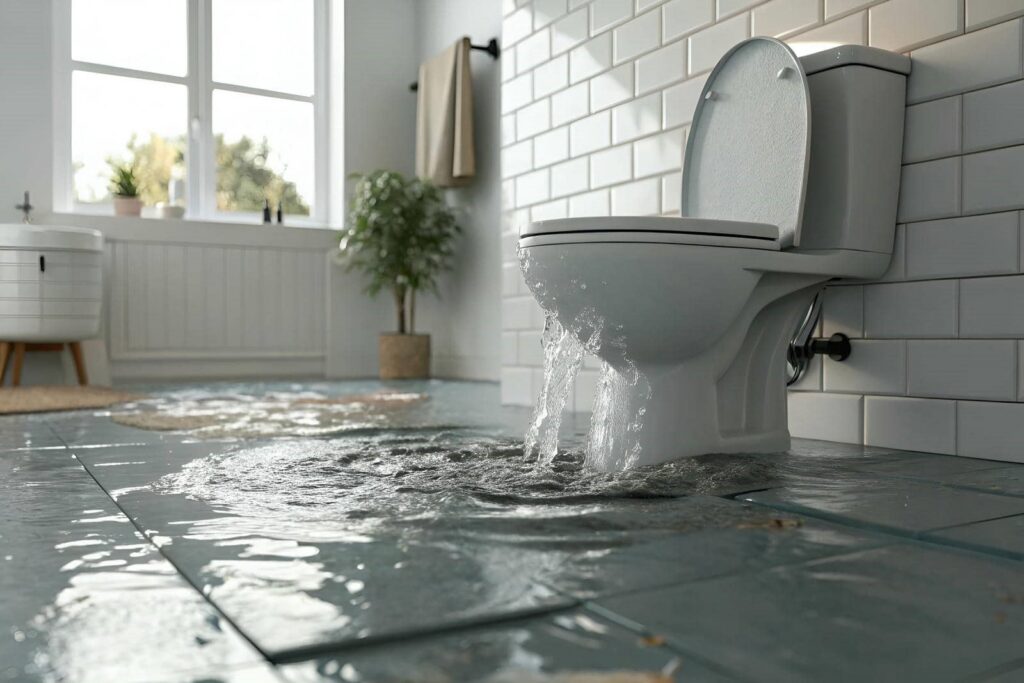
When faced with a sewage emergency, your immediate response can greatly impact both health and property. You need to act quickly to minimize damage and risks. Understanding the right sewage cleanup steps to take is vital, from protecting yourself with proper gear to effective disinfection methods. Each choice you make can either mitigate or worsen the situation. Let’s explore essential strategies that can guide you through this challenging process.
Key Takeaways
- Act quickly to shut off water sources and ventilate the area to minimize damage and health risks.
- Wear heavy-duty gloves, N95 respirators, and waterproof goggles for personal protection during cleanup.
- Seal off affected areas with plastic sheeting to contain the sewage and prevent exposure.
- Use a high-capacity pump and wet/dry vacuum for efficient removal of standing water.
- Consult professionals for assessment and remediation to ensure a safe and thorough cleanup.
Act Quickly to Minimize Damage
When you face a sewage emergency, acting quickly is essential to minimize damage and health risks. Your rapid response can greatly reduce the impact on your property and well-being.
First, assess the damage by identifying the source of the sewage and the areas affected. This damage assessment guides your next steps, whether you need to contain the spill or call for professional help.
Remember, stagnant sewage can pose serious health hazards, so don’t hesitate to take immediate action. Shut off water sources if possible, and ventilate the area to reduce odors.
Protect Yourself With Essential Safety Gear
After evaluating the damage and taking immediate action, your safety becomes a top priority.
Wearing the right safety gear is fundamental for protecting yourself during sewage cleanup. Start with gloves and waterproof boots to shield your skin from contaminants. A mask or respirator will help you avoid inhaling harmful particles. Eye protection is also essential, as splashes can occur unexpectedly.
Utilize safety checklists to verify you have all necessary gear before beginning your cleanup.
Remember, personal hygiene is important; wash your hands thoroughly after handling contaminated materials. This proactive approach safeguards your health and fosters a sense of community responsibility.
Contain Sewage: Prevent Further Contamination
When dealing with sewage, your first priority is to contain the affected areas to prevent further contamination.
Seal off the space using plastic sheeting and ensure that all utilities are turned off to minimize risks.
Taking these steps promptly can help limit the spread of contamination and protect your environment.
Seal Off Affected Areas
To effectively contain sewage and prevent further contamination, it’s essential to seal off the affected areas immediately. This action minimizes exposure and protects your environment.
Here are four steps to follow:
Identify the Contaminated Zones: Pinpoint areas affected by sewage.
Install Sewage Barriers: Use absorbent materials to block off contaminated zones.
Implement Ventilation Techniques: Open windows or use fans to circulate air, reducing odors and moisture.
Secure Entry Points: Close doors and seal windows to prevent access and limit the spread.
Use Plastic Sheeting
Using plastic sheeting effectively contains sewage and prevents further contamination, especially in emergency situations. In your emergency preparedness plan, consider the benefits of plastic sheeting. It acts as a barrier, sealing off affected areas and stopping sewage from spreading to uncontaminated spaces.
When you cover floors, walls, and furniture, you reduce the risk of cross-contamination, making cleanup more manageable and safer. Ensure you secure the edges with tape to maintain an airtight seal, which enhances protection.
This simple yet effective step minimizes health risks for you and your family, fostering a sense of safety during a crisis. By incorporating plastic sheeting into your emergency strategy, you’re taking a proactive approach to safeguarding your environment and well-being.
Turn Off Utilities
After securing the area with plastic sheeting, the next step is to turn off utilities to contain the sewage and prevent further contamination. This action is essential in minimizing health risks from various sewage sources.
Follow these utility procedures:
Locate the main power switch and turn off electricity to avoid electrical hazards.
Shut off the water supply to prevent any additional flooding from plumbing issues.
Turn off gas lines if applicable, ensuring there’s no risk of leaks or explosions.
Ventilate the area by opening windows, if safe, to disperse harmful fumes.
Essential Tools for Effective Sewage Cleanup
When tackling sewage cleanup, having the right tools is essential for both safety and effectiveness.
You’ll need protective gear to shield yourself from hazardous materials, along with a checklist of cleanup equipment to ensure you’re prepared.
Additionally, don’t overlook the importance of sanitizing supplies to eliminate harmful pathogens and restore your space.
Protective Gear Essentials
To ensure your safety during sewage cleanup, it’s essential to equip yourself with the right protective gear. Proper gear protects you and boosts your confidence throughout the process.
Here’s what you need:
Gloves Selection: Choose heavy-duty, waterproof gloves to prevent skin contact with contaminants.
Mask Types: Use N95 respirators or higher to filter out harmful particles and odors.
Goggles: Waterproof goggles prevent splashes from getting in your eyes.
Boots: Knee-high rubber boots provide a barrier against sewage exposure.
Cleanup Equipment Checklist
Effective sewage cleanup requires the right tools to ensure a thorough and safe process. Start with a high-capacity pump for removing standing water.
Next, secure heavy-duty gloves and face masks to protect yourself from contaminants. A wet/dry vacuum is essential for tackling smaller areas, while a robust scrub brush helps with surface cleaning. You’ll also need industrial-grade trash bags for waste disposal.
For effective sewage cleanup methods, consider a portable generator to power your equipment if the electricity is out.
Additionally, have a first-aid kit handy as part of your emergency response strategies. By ensuring you have the right equipment, you can make the cleanup process smoother and safer for everyone involved.
Sanitizing Supplies Needed
For a successful sewage cleanup, having the right sanitizing supplies is vital.
You’ll want to gather these key items to ensure effective disinfectant methods:
Heavy-duty gloves: Protect your hands from contaminants.
Disinfectant spray: Choose a potent sanitizing product that kills bacteria and viruses.
Mops and buckets: Use these for effective cleaning and to remove waste.
Absorbent towels: They help soak up residual liquids and are essential for drying surfaces.
Effective Disinfection Techniques for Sewage Cleanup
When dealing with sewage cleanup, understanding the right disinfection techniques is essential to prevent health hazards.
Start by selecting effective disinfection methods that target bacteria and viruses. Bleach is a popular choice; mix one part bleach to ten parts water for a powerful solution. Alternatively, hydrogen peroxide can serve as a safer option.
When using cleaning agents, ensure proper ventilation and personal protective equipment to safeguard your health.
After applying the solution, allow it to sit for at least ten minutes to maximize effectiveness. Don’t forget to rinse surfaces with clean water afterward.
How to Safely Dispose of Sewage
Although disposing of sewage might seem challenging, following the correct procedures can make the process safer and more manageable.
Here are four essential sewage disposal methods to take into account:
Containment: Secure the sewage in a leak-proof container to prevent spills.
Local Regulations: Check local guidelines for hazardous waste handling to ensure compliance.
Professional Services: When in doubt, hire certified professionals who specialize in sewage disposal.
Treatment Facilities: Transport the sewage to a designated waste treatment facility that can handle hazardous materials safely.
When to Call the Pros for Sewage Issues
How can you tell if a sewage problem requires professional help? If you’re dealing with persistent sewage backups, foul odors, or multiple plumbing issues, it’s time to evaluate a sewage assessment.
Don’t underestimate the potential hazards of untreated sewage; it can lead to health risks and further property damage.
If DIY methods aren’t resolving the problem or if the issue involves extensive flooding or contamination, calling in professional services is essential.
Experts can provide thorough assessments and safe remediation, ensuring your home is restored to a healthy state.
Frequently Asked Questions
What Types of Sewage Are Most Hazardous to Health?
The most hazardous sewage types include raw sewage and wastewater from industrial sources. These contain harmful pathogens and toxins, posing significant health risks like infections and respiratory issues. Always prioritize safety when dealing with these hazards.
Can I Use Household Cleaners for Sewage Cleanup?
You can’t rely solely on household cleaners for sewage cleanup. Instead, prioritize safety precautions and use specialized cleaning products designed for hazardous waste. Proper gear and thorough sanitization ensure a safe environment for you and your loved ones.
How Long Does It Take to Dry Out After Sewage Spills?
It typically takes several days to dry out after sewage spills, depending on drying techniques used and moisture assessment. Proper ventilation and dehumidifiers can greatly speed up the process, ensuring your space returns to normal quickly.
Will Insurance Cover Sewage Cleanup Costs?
Yes, many insurance policies cover sewage cleanup costs, but coverage limits vary. It’s essential to review your policy details and consult your agent to ensure you understand what’s included and any potential out-of-pocket expenses.
What Are Common Signs of Sewage Backup in Plumbing?
If you notice a foul stench wafting through your home, that’s your plumbing’s cry for help. Common signs of sewage backup include slow drains, gurgling sounds, and frequent backups—consider scheduling plumbing inspections to address these issues.
Conclusion
In sewage emergencies, every second counts. Studies show that rapid response can greatly reduce health risks, making your prompt action essential. By following these tips, you can effectively minimize damage and safeguard your health. Remember, the right protective gear and disinfection methods are important. If the situation escalates, don’t hesitate to call professionals; sometimes, expert help is the best prevention against future issues. Act decisively, and you’ll maintain a safer environment for yourself and others.