
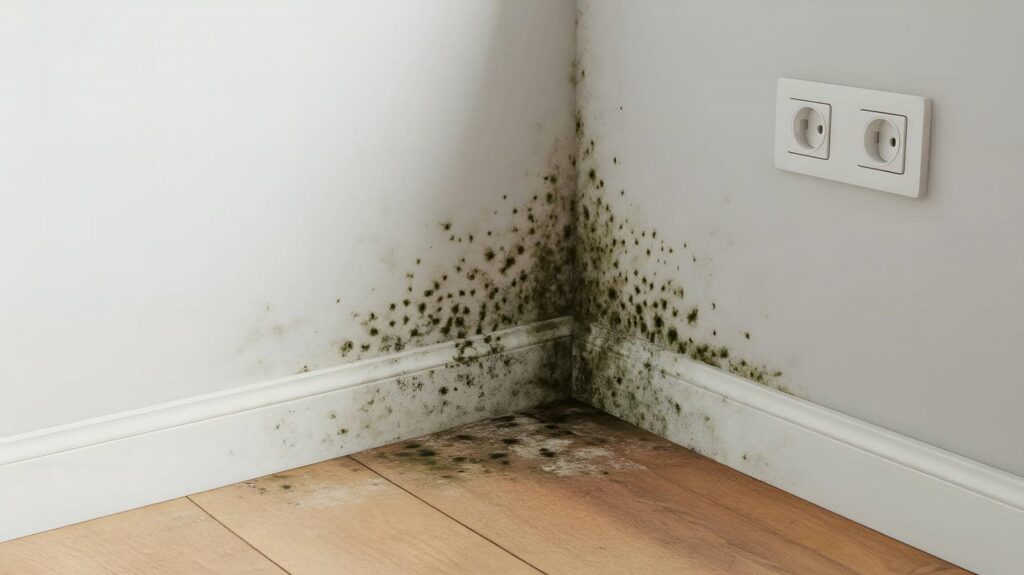
After a flood, addressing mold growth quickly is essential to safeguard your health and property. You’ll need to act fast to prevent spores from spreading. Removing moisture and identifying affected areas are just the beginning. Understanding the best techniques for effective mold remediation can make a significant difference. But how do you ensure you’re doing it right? Let’s explore practical steps to tackle this pressing issue effectively.
Key Takeaways
Act quickly to identify and address moisture sources within 24 to 48 hours to prevent mold growth.
Use dehumidifiers and fans to effectively dry out affected areas and reduce humidity levels.
Inspect all spaces, including hidden areas, for mold signs, documenting findings for effective remediation prioritization.
Employ safe mold removal techniques, wearing protective gear and using appropriate cleaning agents as needed.
Ensure proper ventilation during the remediation process and consider hiring professionals for extensive mold issues.
Act Quickly to Prevent Mold Growth
To effectively prevent mold growth, you must act quickly when you notice water damage or high humidity levels in your home.
In the flood aftermath, understanding mold awareness becomes essential. Mold can begin to develop within 24 to 48 hours of exposure to moisture, so you can’t afford to delay.
Start by identifying any affected areas and evaluating the extent of the damage. This proactive approach protects your property and safeguards your health.
Keep in mind that mold spores are ubiquitous; they can thrive in damp environments. By recognizing the signs of moisture issues early, you enhance your chances of preventing a larger mold problem.
Your vigilance and prompt action are key to maintaining a safe, healthy living space.
Remove Moisture Sources and Dry Out Spaces
To effectively combat mold growth, you must first identify and eliminate sources of moisture in your space.
Inspect areas prone to leaks or high humidity and address any issues immediately.
Additionally, using dehumidifiers can notably reduce moisture levels, creating an environment less conducive to mold.
Identify Water Sources
Identifying water sources is essential for effective mold remediation. Start with thorough water detection; inspect your property for leaks, damp spots, or signs of water intrusion. Use tools like moisture meters for accurate readings.
Next, perform a source analysis to pinpoint the origin of moisture. Check plumbing, roofs, and windows, as these are common culprits. Don’t overlook hidden areas, such as behind walls or under flooring, where water may accumulate unnoticed.
Once you identify these sources, act quickly to eliminate them. Repair leaks, seal gaps, and ensure proper drainage.
Use Dehumidifiers Effectively
While eliminating water sources is essential, using dehumidifiers effectively can significantly enhance your mold remediation efforts.
Start by selecting the right dehumidifier settings based on the size of your space and the humidity levels. Aim for a relative humidity of 30-60% to achieve ideal moisture control.
Place your dehumidifier in the most affected areas, ensuring it has adequate airflow. Regularly check and empty the water reservoir to maintain efficiency.
It’s also beneficial to keep windows and doors closed while the dehumidifier runs, preventing outside humidity from entering.
Assess and Identify Affected Areas
Mold can thrive in various environments, making it essential to assess and identify affected areas promptly. Start by inspecting spaces that were submerged or dampened, such as basements, crawl spaces, and behind walls.
Different mold types can emerge, including black mold, which poses serious health risks like respiratory issues and allergic reactions. Use a flashlight to check for discoloration, musty odors, or visible growth.
Pay attention to hidden areas, as mold can grow in insulation or beneath flooring. Document your findings to prioritize remediation efforts effectively.
What Are the Best Techniques for Mold Removal?
Once you’ve identified the affected areas, the next step is to tackle mold removal effectively. Start with physical removal: use a scrub brush and a vacuum with a HEPA filter to eliminate mold from surfaces.
Make sure you’re wearing protective gear, such as gloves and a mask, to safeguard your health.
Next, consider chemical treatments. Solutions containing bleach or commercial mold removers can penetrate and kill remaining spores. Apply these according to the manufacturer’s instructions, ensuring proper ventilation during the process.
It’s essential to dispose of contaminated materials safely, such as drywall or carpets, to prevent further spread.
Ensure Good Ventilation While Remediating
Good ventilation is essential during mold remediation to minimize airborne spores.
You should maximize airflow circulation and consider using exhaust fans to effectively clear out contaminated air.
This proactive approach protects your health and enhances the overall effectiveness of the remediation process.
Maximize Airflow Circulation
When tackling mold remediation, ensuring good ventilation is essential for effective air circulation.
To maximize airflow, start by identifying airflow patterns in the affected area. Open windows and doors to create cross-ventilation, allowing fresh air to flow in while stale, contaminated air moves out.
Utilize circulation techniques like strategically placing fans to enhance air movement, directing airflow towards damp areas where mold thrives.
Keep in mind that stagnant air can worsen mold growth, so consistently monitor and adjust your setup as needed.
Use Exhaust Fans
To ensure effective ventilation during mold remediation, utilizing exhaust fans can greatly improve air quality and reduce airborne mold spores.
Proper exhaust fan placement is essential; position fans near windows or doors to expel contaminated air while drawing in fresh air.
Consider different fan types, such as high-velocity axial fans for larger spaces or smaller inline fans for tighter areas.
Make sure the fans run continuously throughout the remediation process to maintain airflow.
Regularly monitor humidity levels to avoid stagnant conditions, which can worsen mold growth.
When to Call in the Pros for Serious Mold Problems?
If you suspect a significant mold issue in your home, recognizing when to call in professionals can save you time and prevent further damage.
If you notice extensive mold growth—beyond a few square feet—or if you experience persistent health issues like respiratory problems, it’s time to act.
Professional mold inspection services can assess the situation thoroughly, identifying hidden mold and potential health risks.
If the mold is in hard-to-reach areas or involves contaminated materials, consider professional remediation options.
They’ve the expertise and equipment to handle serious issues safely and effectively.
Don’t hesitate; reaching out for help is essential in protecting your home and health.
Trusting professionals can provide peace of mind during a stressful time.
Prevent Future Mold Issues After Flooding
After flooding, taking immediate action is vital to prevent future mold issues. Start by thoroughly drying out your space; use dehumidifiers and fans to keep humidity levels low.
Consider replacing damaged materials with mold-resistant materials, such as treated wood and moisture-resistant drywall. This proactive approach helps you avoid future infestations and promotes a healthier living environment.
Implementing preventive maintenance is important; regularly inspect areas prone to moisture, like basements and bathrooms. Ensure proper ventilation in these spaces to minimize dampness.
Frequently Asked Questions
How Can I Tell if Mold Is Toxic or Non-Toxic?
You can identify toxic mold by using mold identification techniques, like visual inspection and air sampling. If you experience symptoms like respiratory issues or skin irritation, it’s wise to consult a professional for further evaluation.
What Personal Protective Equipment (PPE) Should I Use During Remediation?
What’s the best way to protect yourself during remediation? Use N95 respirators, goggles, and gloves. Following safety guidelines ensures you minimize exposure to mold, keeping you and your loved ones safe while you work.
Are There Any Natural Mold Removal Solutions?
Yes, natural mold removal solutions include vinegar solution, baking soda, and hydrogen peroxide. You can also use essential oils like tea tree oil for effective treatment. These remedies are safe and eco-friendly for your home.
Can I Paint Over Mold-Infested Areas?
You can’t just paint over mold-infested areas—many homes experience mold issues. Instead, use mold prevention strategies and mold inspection techniques to address the problem before considering repainting for a lasting solution.
How Long Does It Take for Mold to Develop After Flooding?
Mold can start developing within 24 to 48 hours after flooding, depending on the flood water’s impact and environmental conditions. Understanding this mold growth timeline helps you act swiftly to prevent severe damage.
Recap
Swift and systematic steps safeguard your space from stubborn spores. By promptly preventing moisture, pinpointing problem areas, and employing effective eradication techniques, you can cultivate a cleaner, healthier environment. Prioritize proper ventilation and don’t hesitate to seek professional assistance for persistent problems. With diligent diligence and proactive practices, you’ll pave the path to preventing future mold mischief and ensure your home remains a safe sanctuary post-flood.