
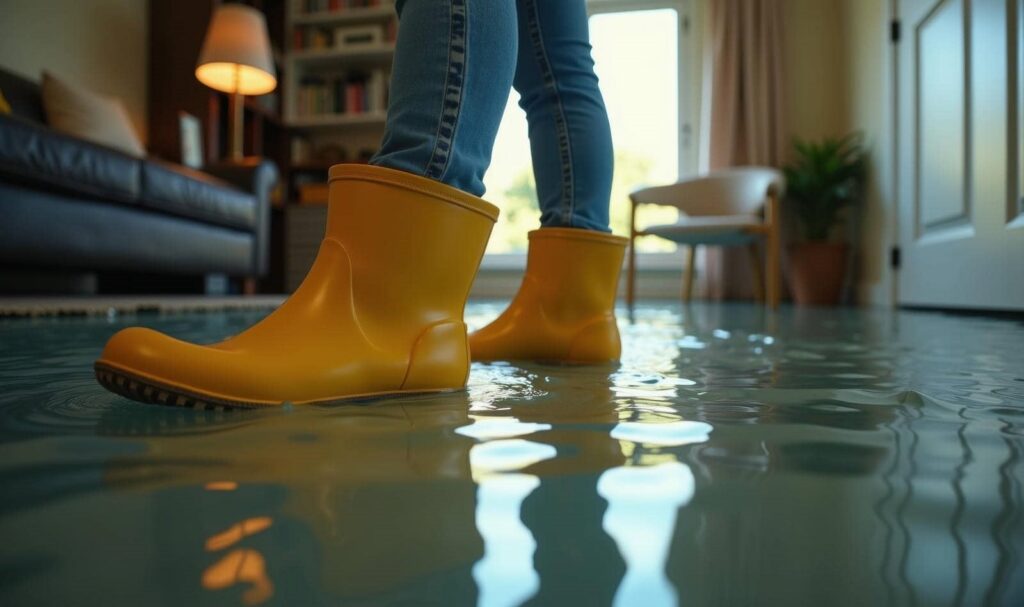
You might not realize that nearly 90% of all natural disasters in the U.S. involve flooding, making it a pervasive risk for homeowners. Without proper water mitigation strategies, your property could suffer significant damage, affecting its value and your community’s resilience. Understanding the implications of flooding can empower you to take proactive measures. But what specific strategies can you implement to safeguard both your home and your neighborhood from these risks?
Key Takeaways
- Water mitigation strategies reduce property damage, minimizing repair costs and enhancing home longevity during flooding events.
- Implementing these strategies increases property value and market appeal, making homes more attractive to potential buyers.
- Effective water mitigation improves community resilience, enabling better preparedness and response to flooding emergencies.
- Utilizing advanced technology, such as smart sensors, enhances real-time monitoring and flood forecasting capabilities.
- Flood-resistant features lead to lower maintenance costs and reduce the likelihood of future damage from flooding.
How Flooding Affects Your Community and What You Can Do
Flooding can devastate communities, impacting everything from infrastructure to local economies. You may not realize how quickly a flood can disrupt daily life, affecting businesses, schools, and essential services.
Community preparedness is essential; by organizing local resources and planning ahead, you can build resilience against flooding. Engage with your neighbors to develop an emergency response plan that includes evacuation routes and communication strategies.
Encourage participation in training sessions to familiarize everyone with emergency procedures. When a flood strikes, a well-prepared community can respond more effectively, minimizing damage and ensuring safety.
How to Assess Your Property’s Flood Risk?
Understanding your property’s flood risk is essential for effective preparedness. Start by identifying your location within designated flood zones, as these areas are more susceptible to flooding. You can access flood maps from local authorities or the Federal Emergency Management Agency (FEMA) to determine your property’s classification.
Next, conduct a thorough risk assessment by evaluating factors like elevation, drainage systems, and nearby waterways. Consider historical data on flooding events in your area, as they offer valuable insights into potential risks.
Additionally, engage with your community to learn about local experiences and mitigation efforts. By taking these steps, you can develop a clearer picture of your property’s flood risk and better prepare for future challenges.
Top 5 Advantages of Water Mitigation for Homeowners
Implementing water mitigation strategies can considerably enhance your property’s value while also lowering your insurance costs.
By proactively addressing flood risks, you’re not just protecting your home; you’re making a smart financial investment.
Understanding these advantages can empower you to make informed decisions for your property.
Enhanced Property Value
When you prioritize water mitigation strategies, you not only protect your property but also enhance its long-term value.
By implementing these strategies, you can expect significant benefits that contribute to property upgrades and improved investment returns.
Consider these advantages:
- Increased Market Appeal: Properties with effective water mitigation attract buyers more readily.
- Higher Resale Value: Homes with flood-resistant features often sell for more.
- Improved Longevity: Enhanced protection means fewer repairs, extending the life of your home.
- Lower Maintenance Costs: Investing in water mitigation reduces the likelihood of costly damage over time.
Reduced Insurance Costs
By prioritizing water mitigation strategies, you can substantially lower your insurance costs. Insurers often use risk assessment to determine your premiums, and a home equipped with effective mitigation measures signals reduced risk.
When you demonstrate proactive steps like installing sump pumps or improving drainage—insurers recognize your commitment to minimizing potential flood damage. This can lead to lower insurance premiums, making your overall financial burden lighter.
Furthermore, many insurance companies offer discounts for homes with established mitigation practices, further incentivizing you to invest in these strategies.
Ultimately, adopting water mitigation not only protects your property but also fosters a sense of community by encouraging responsible homeownership within your neighborhood. Embrace these strategies for peace of mind and financial savings.
Best Water Mitigation Techniques for Homes
When it comes to protecting your home from flooding, effective drainage systems and flood-resistant landscaping techniques play essential roles.
You need to assess your property’s layout to implement drainage solutions that guide water away from your foundation.
Additionally, incorporating landscaping methods can enhance your yard’s ability to absorb excess rainwater, reducing the risk of flood damage.
Effective Drainage Systems
- Gutters and Downspouts: Make certain they’re clean and properly directed away from your home’s foundation.
- French Drains: Install these to redirect groundwater and prevent pooling in your yard.
- Sump Pumps: Consider installing a sump pump in your basement to remove excess water during storms.
- Permeable Pavement: Use this for driveways and walkways to allow water to seep through, reducing runoff.
Flood-Resistant Landscaping Techniques
To effectively mitigate flooding risks, incorporating flood-resistant landscaping techniques can greatly enhance your home’s resilience.
Start by integrating rain gardens to capture and filter stormwater, preventing runoff. Use permeable pavements for driveways and walkways; they allow water to seep through, reducing surface flooding.
Native plants are essential, as they require less water and adapt well to local conditions. Implement slope grading to direct water away from your foundation and consider bioswales for natural drainage.
Enhance soil quality with soil amendments to improve absorption. Explore xeriscaping techniques to create drought-resistant landscapes, minimizing water usage.
Finally, employ contour planting to manage water flow effectively across your property. These strategies not only protect your home but also foster a sense of community resilience.
Using Tech to Mitigate Flooding
As climate change intensifies, leveraging technology becomes essential for mitigating flooding risks. By integrating innovative solutions, you can enhance community resilience.
Consider these key tech strategies:
- Smart Sensors: Utilize devices that monitor water levels and environmental conditions, providing real-time data.
- Data Analytics: Analyze trends and patterns to improve flood forecasting and identify at-risk areas.
- Automated Barriers: Implement barriers that deploy automatically during flood events, protecting vulnerable zones.
- Mobile Applications: Use apps for emergency alerts and real-time monitoring, keeping everyone informed and safe.
Planning for Long-Term Resilience Against Flooding
While it’s easy to react to flooding crises as they arise, planning for long-term resilience is essential for communities facing increasing flood risks. Engaging your community in this process fosters a sense of belonging and shared responsibility.
Start by evaluating local vulnerabilities and gathering input from residents; their insights are invaluable. Incorporate sustainable practices like green infrastructure, which not only manage stormwater but also enhance local ecosystems.
Encourage partnerships with local organizations to promote awareness and preparedness. By investing in education and resources, you empower your community to adapt and thrive.
Ultimately, a collaborative approach not only builds resilience against flooding but also strengthens community bonds, ensuring everyone feels connected and supported in facing future challenges.
Frequently Asked Questions
What Are the Costs Associated With Implementing Water Mitigation Strategies?
Implementing water mitigation strategies involves various costs, including initial investments, ongoing maintenance, and potential upgrades. Conducting a thorough cost analysis and considering budget constraints guarantees effective planning and sustainability for your community’s long-term protection.
How Can Community Involvement Enhance Flood Mitigation Efforts?
Community involvement enhances flood mitigation by fostering community education and engaging in volunteer programs. When you participate, you build awareness, strengthen relationships, and empower your neighbors, creating a united front against flooding challenges.
Are There Government Grants for Flood Mitigation Projects?
“Where there’s a will, there’s a way.” Yes, there’re federal funding options for flood mitigation projects. Check local resources to discover available grants, ensuring your community can thrive even in challenging circumstances.
What Materials Are Best for Flood-Resistant Construction?
For flood-resistant construction, you should use materials like reinforced concrete, steel, and flood-resistant wood. Implementing techniques such as elevated foundations and proper drainage systems enhances your building’s resilience against flooding effectively.
How Often Should Flood Risk Assessments Be Updated?
You should update flood risk assessments every few years or after significant flood events. Regular updates account for changing flood frequency and enhance your risk management strategies, ensuring your community stays prepared and resilient.
Recap
In a world where water can be both a friend and a foe, embracing water mitigation strategies isn’t just wise it’s essential. By taking proactive steps to safeguard your property, you’re not only enhancing its value but also nurturing a resilient community. With the right techniques and technology, you can transform potential peril into peace of mind. So, let’s cultivate a future where we harmoniously coexist with nature’s rhythms, fortifying our homes against the unpredictable tides of flooding.