
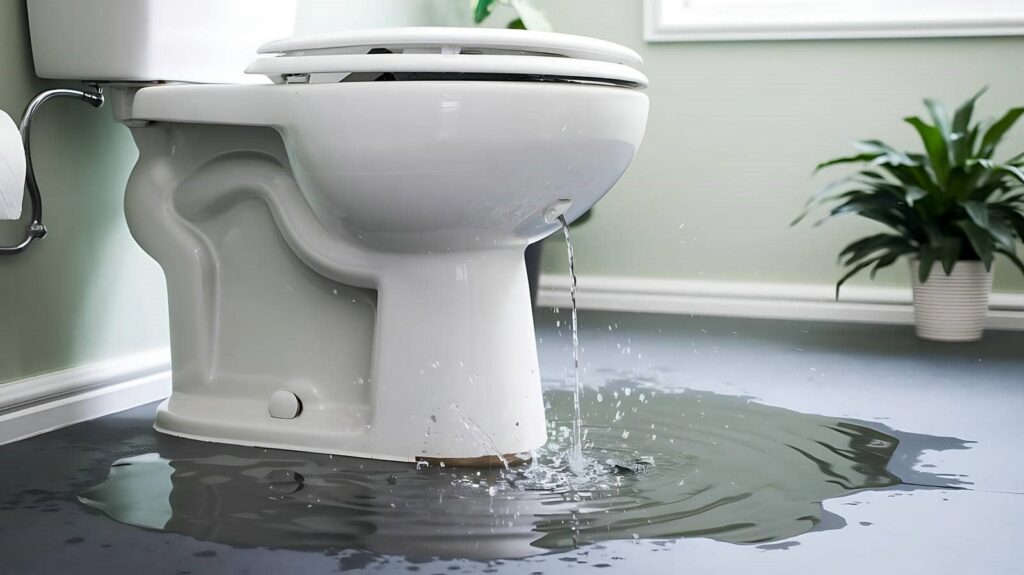
When a sewage backup occurs, mold remediation becomes essential for your health and safety. You must recognize the signs of mold growth early and take immediate action. Proper safety gear is vital, as is effective containment of the affected area. Understanding the systematic steps to remove contaminants and prevent future issues can save you time and stress. The next steps you take can greatly impact your home’s safety and integrity. What will you do next?
Key Takeaways
- Act quickly to address mold growth, as it thrives in moisture from sewage backups and poses health risks.
- Use safety gear, including respirators and gloves, to protect against mold spores during remediation.
- Thoroughly clean and disinfect contaminated areas using EPA-approved products to eliminate mold and bacteria.
- Dry out affected spaces with dehumidifiers and promote airflow to prevent future mold growth.
- Regularly monitor humidity levels and inspect for leaks to maintain a mold-free environment.
Why Mold Remediation Matters After a Sewage Backup
Mold remediation matters greatly after a sewage backup because the combination of moisture and organic material creates an ideal environment for mold growth.
If you ignore this issue, you expose yourself and your loved ones to significant health risks, including respiratory problems and allergic reactions.
To protect your home and family, it’s vital to act quickly. Implement prevention strategies such as thorough cleaning and drying of affected areas, using dehumidifiers, and ensuring proper ventilation.
Regularly inspect vulnerable areas like basements and bathrooms to catch potential mold issues early.
By taking these steps, you safeguard your health and foster a sense of security and belonging in your living environment.
Prioritizing mold remediation is essential for a safe, healthy home.
Identify Signs of Mold Growth
After addressing the importance of mold remediation, recognizing the signs of mold growth becomes critical for maintaining a healthy living environment.
Start by looking for early warning signs, like musty odors or visible patches of mold on walls and ceilings. Use mold identification techniques, such as examining damp areas or inspecting materials like wood and drywall, where mold often thrives.
Pay attention to water stains, discoloration, or unusual humidity levels, which can indicate hidden mold. Regularly check basements, bathrooms, and other moisture-prone areas.
Get Your Safety Gear Ready
Before starting mold remediation, it’s vital to gather your essential protective equipment.
Wearing the right gear safeguards your health and enhances your efficiency during cleanup.
Let’s explore the necessary items and best practices to ensure a safe environment.
Essential Protective Equipment Needed
When tackling mold remediation following a sewage backup, equipping yourself with the right protective gear is vital for your safety.
Start with a high-quality respirator to shield against airborne mold spores and contaminants. Wear durable, waterproof gloves to protect your hands from harmful substances and potential irritants.
It’s also important to don protective eyewear to guard your eyes from splashes and debris. Consider wearing a full-body suit, especially if you’re in heavily contaminated areas.
Adhering to established safety protocols ensures you minimize exposure and risks. Remember, your health is paramount, and having the right protective gear keeps you safe and fosters a sense of belonging within a community that prioritizes well-being during remediation efforts.
Proper Gear Handling Tips
Having the right protective gear is only the beginning; knowing how to handle it properly is equally important.
Start with proper gear selection; verify your gloves, masks, and goggles fit well to provide maximum protection. Before you begin, familiarize yourself with safety protocols—this includes understanding how to don and doff your gear without contamination.
Always check for damage before use; any tears can compromise your safety. When removing gear, do so in a designated area to avoid spreading contaminants. Dispose of single-use items responsibly.
Finally, make it a habit to wash reusable gear thoroughly after each use. By following these guidelines, you foster a safer environment for yourself and those around you during the cleanup process.
Ensuring Safe Cleanup Environment
To ensure a safe cleanup environment, it’s essential to prepare your safety gear effectively. Start with heavy-duty gloves and waterproof boots to protect against contaminants.
A well-fitting mask is important, ideally an N95 respirator, as it helps filter out harmful spores. Goggles will shield your eyes from irritants and make sure you can work without distractions.
Implementing mold prevention strategies is critical during cleanup. Confirm proper ventilation to minimize moisture buildup.
Keep your gear clean and store it away from contaminated areas to avoid cross-contamination. Always adhere to sewage safety measures, including thorough handwashing after handling any contaminated materials.
Contain the Affected Area Effectively
Effective containment of the affected area is essential after a sewage backup, as it prevents further contamination and protects unaffected spaces.
To implement effective mold containment strategies, you should consider the following sealing techniques:
Seal Entry Points: Use plastic sheeting to cover doors and windows, creating a barrier against airborne contaminants.
Isolate HVAC Systems: Shut off heating and cooling systems to prevent the spread of mold spores.
Use Air Purifiers: Deploy HEPA air purifiers to capture airborne particles and improve air quality.
Establish Negative Pressure: Create negative pressure within the contaminated area to ensure that air flows inward, minimizing the risk of spreading contaminants.
Remove Contaminated Materials Safely
To remove contaminated materials safely, you first need to assess the affected areas thoroughly.
Wearing proper protective gear is essential to minimize your exposure to harmful substances.
Finally, ensure you dispose of waste correctly to prevent any further contamination.
Assess Contaminated Areas Thoroughly
When you encounter a sewage backup, evaluating contaminated areas thoroughly is essential for ensuring safety and preventing further damage.
Utilizing effective mold assessment techniques and contamination evaluation methods will help you identify the extent of the problem. Here’s how to proceed:
Inspect all affected surfaces for signs of mold or water damage.
Test air quality to detect any airborne contaminants.
Check hidden areas like behind walls and under flooring, where mold can thrive.
Document your findings, noting the type and severity of contamination for future reference.
Use Proper Protective Gear
While evaluating contaminated areas, it’s important to prioritize your safety by using proper protective gear. Start by wearing protective clothing, such as waterproof gloves, goggles, and masks designed for biological hazards. This equipment safeguards you from harmful pathogens and minimizes the risk of mold exposure.
Adhering to established safety procedures is vital; make sure your gear is intact and suitable for the task at hand. If you’re working in particularly hazardous locations, consider additional protection like full-body suits.
Dispose of Waste Correctly
After ensuring your safety with the right protective gear, the next step involves disposing of contaminated materials properly. Effective waste disposal is vital for contamination control and preventing health risks.
Here’s how to do it safely:
Identify Contaminated Items: Determine what’s unsalvageable—carpets, drywall, or furniture.
Seal Materials: Use heavy-duty plastic bags or bins to contain waste, preventing leaks.
Label for Disposal: Clearly mark bags with “Contaminated Waste” to alert sanitation workers.
Follow Local Guidelines: Check your municipality’s regulations for hazardous waste disposal to ensure compliance.
Mold Remediation: Clean and Disinfect Surfaces
Cleaning and disinfecting surfaces is essential in mold remediation following a sewage backup. Start with thorough surface cleaning to remove any visible contamination. Use a mixture of water and a suitable detergent to scrub away debris, focusing on areas prone to mold growth.
After cleaning, apply effective disinfecting techniques to eliminate harmful pathogens. Consider using EPA-approved disinfectants specifically designed for sewage contamination; follow the manufacturer’s instructions for proper dilution and application.
Make sure you wear appropriate protective gear during this process to safeguard your health. Don’t forget to pay attention to hidden areas, as mold can thrive in damp, dark spaces.
Dry Out the Area Completely
To effectively combat mold growth after a sewage backup, you must dry out the area completely. Moisture control is essential since mold thrives in damp environments. Here’s how to achieve thorough drying:
Use Dehumidifiers: Set up dehumidifiers in the affected areas to extract moisture from the air efficiently.
Ventilate the Space: Open windows and doors to promote airflow, helping to speed up the drying process.
Remove Saturated Materials: Take out any soaked carpets, drywall, or insulation that can’t be dried effectively to prevent mold growth.
Monitor Humidity Levels: Regularly check humidity levels with a hygrometer to make sure they stay below 60%.
Choose Effective Mold Inhibitors and Treatments
While addressing mold issues post-sewage backup, it’s essential to choose effective mold inhibitors and treatments that can halt growth and prevent future infestations.
Start by exploring eco-friendly treatments, which are safer for your home and family. Options like vinegar, baking soda, and hydrogen peroxide can effectively combat mold without harsh chemicals.
Incorporate mold prevention strategies such as maintaining low humidity levels, using dehumidifiers, and ensuring proper ventilation to keep your environment less hospitable to mold.
When selecting products, look for ones specifically designed for mold remediation, ensuring they’re compatible with your surfaces and effective against various mold strains.
How to Monitor for Future Mold Growth?
Monitoring for future mold growth is essential, especially after a sewage backup, since even minor moisture issues can trigger new infestations.
To effectively implement mold monitoring and ensure future prevention, follow these steps:
Regular Inspections: Check hidden areas like basements and attics for signs of dampness or mold.
Humidity Control: Maintain indoor humidity levels below 60% using dehumidifiers or air conditioning.
Leak Detection: Install moisture sensors in vulnerable areas, and address leaks promptly.
Air Quality Testing: Consider periodic air quality assessments to identify mold spores and other contaminants.
Frequently Asked Questions
How Long Does Mold Remediation Typically Take After Sewage Backup?
Mold remediation typically takes one to five days, depending on the extent of mold growth and damage. Understanding this remediation timeline helps you prepare and ensures a thorough recovery from sewage backup.
Can I Handle Mold Remediation Myself?
You can handle DIY mold remediation, but it’s essential to use proper safety equipment like masks and gloves. Assess the extent first; if it’s severe, consider professional help to ensure thorough removal and safety.
What Are the Health Risks of Mold Exposure?
Mold exposure can lead to various health effects, including respiratory issues and allergic reactions. You might experience mold symptoms like sneezing, coughing, or skin irritation. It’s essential to address mold promptly for everyone’s well-being.
Will Homeowners Insurance Cover Mold Remediation Costs?
Homeowners insurance might cover mold remediation costs, but it depends on your policy exclusions and coverage limits. Review your policy carefully to understand what’s included and ensure you’re adequately protected against potential mold issues.
How Can I Prevent Future Sewage Backups?
To prevent future sewage backups, implement preventive measures like regular maintenance of your plumbing system, including inspections and cleanouts. Staying proactive helps you avoid costly issues and ensures your home remains a safe, healthy space.
Recap
Effective mold remediation after a sewage backup is essential for your health and safety. By following these steps—assessing damage, wearing protective gear, and ensuring thorough drying—you protect your home and reduce the likelihood of future mold growth. Regular monitoring and preventive measures can make a significant difference in maintaining a safe living environment.