
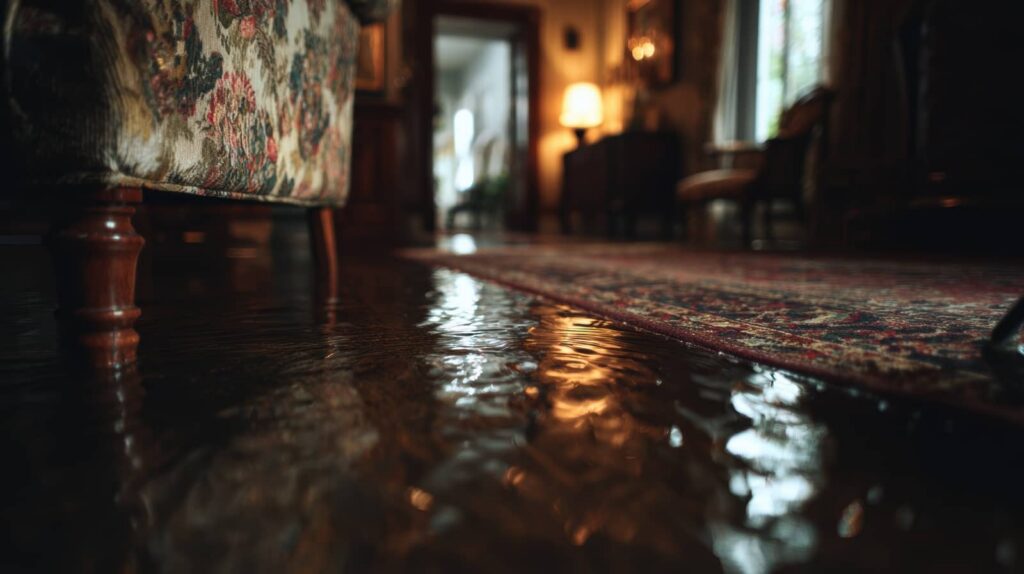
After a basement flood from a burst pipe, you need to act fast or the damage can spread. Flooded House Cleanup starts with removing standing water quickly, drying walls and floors with controlled airflow, and restoring each room in a safe order. Each step affects the next, and the wrong sequence can trap moisture behind surfaces. The details matter here, especially when hidden damage isn’t obvious yet.
Key Takeaways
- Remove standing water immediately using pumps, wet vacs, or buckets to limit structural damage.
- Dry walls, floors, and hidden cavities fast with fans, dehumidifiers, and moisture monitoring.
- Shut off power in affected areas and keep electrical cords dry before cleanup begins.
- Inspect framing, subfloors, and baseboards for damage, then discard soaked or warped materials.
- Prevent mold by maintaining low humidity, ventilating rooms, and documenting moisture levels daily.
Remove Standing Water Fast
Once it’s safe to enter, you need to remove standing water as quickly as possible to limit structural damage, mold growth, and contamination spread.
Start water extraction with the most powerful equipment you can safely use. If the water is deep, place a sump pump at the lowest point and route discharge away from the house. For smaller amounts, use wet vacuums, buckets, or portable pumps to clear rooms methodically.
Keep electrical cords and outlets dry, and turn off power to affected areas before you begin. Work room by room so you can track progress and spot hazards.
You’re not dealing with this alone; a fast, organized response protects your home and helps your cleanup team move to the next phase with confidence.
Dry Walls and Floors
After the standing water is gone, start drying walls and floors immediately to slow mold growth and prevent materials from breaking down. You’ll protect your space by moving air across damp surfaces and tracking moisture control with a meter.
Keep windows open if conditions are dry, and use dehumidifiers to pull hidden humidity from drywall, trim, and subflooring. Check baseboards, carpet edges, and wall cavities for trapped water; wet insulation often needs insulation replacement.
- Run fans in overlapping patterns.
- Measure moisture daily.
- Remove soaked padding.
- Document drying progress.
You’re not doing this alone; these steps help you restore a clean, stable environment with confidence.
Restore Rooms Safely
With the walls and floors drying, you can start restoring rooms in a controlled way by checking structural stability, confirming electrical safety, and removing any materials that stayed contaminated.
You should bring in cleanable items first, then inspect framing, trim, and subfloors for soft spots or odor. Keep humidity low and ventilate well for mold prevention, since lingering moisture can spread hidden growth.
If furniture warped, soaked, or carried sewage, schedule furniture disposal instead of trying to save it. Reinstall finishes only after surfaces pass a moisture check and you’ve documented each room’s condition.
Work room by room so your household stays organized and calm. When you restore methodically, you protect your space, reduce rework, and help everyone feel secure again.
Frequently Asked Questions
How Soon Should Mold Testing Begin After Flood Cleanup?
You should begin mold testing within 24 to 48 hours after cleanup, because mold growth can start quickly. Use proven testing methods, and you’ll confirm safety early, helping you feel supported and protected.
What Insurance Documents Are Needed for Flood Damage Claims?
You’ll need your policy, photos, receipts, repair estimates, and a flood report. These documents support your insurance coverage and streamline the claim process, so you’re prepared, informed, and not facing it alone.
Can Salvageable Items Be Disinfected After Sewage Exposure?
Yes, you can disinfect some salvageable items after sewage exposure, if you use proper disinfection methods and controlled item restoration. You’ll need thorough cleaning, approved disinfectants, and safety checks, so you’re not risking contamination.
When Should Electrical Systems Be Inspected After Flooding?
You should inspect electrical systems immediately after floodwaters recede and before re-energizing anything. Prioritize Electrical safety and follow a rapid Inspection timeline. You’ll protect your home, reduce risk, and support your recovery with confidence.
How Do You Prevent Future Basement Flooding Effectively?
You prevent future basement flooding by upgrading drainage systems, installing sump pumps, using waterproofing techniques, and regrading with smart landscaping solutions—because water clearly loves a surprise visit, but you can calmly deny it entry.
Wrap-Up
When floodwater hits, you need to act fast—and that’s no coincidence. The same first steps that protect your home also protect your peace of mind: remove standing water immediately, dry walls and floors thoroughly, and restore each room with care. Use pumps, wet vacuums, fans, and dehumidifiers to limit damage and mold. Then inspect, discard, and rebuild safely. If you stay organized now, you’ll make cleanup faster, safer, and far less stressful.