
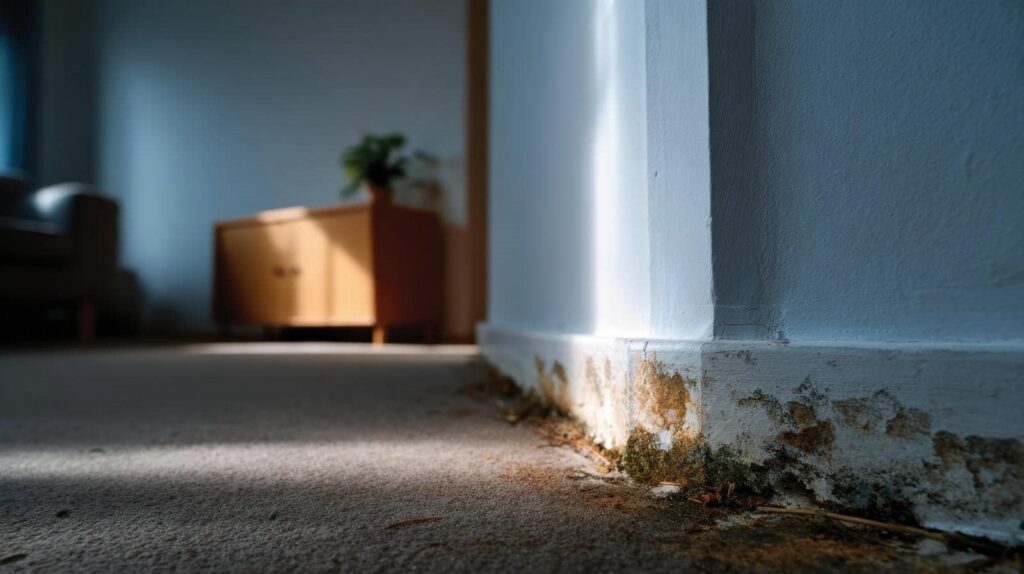
When water damage occurs in your home, it sets the stage for mold growth if not addressed promptly. Understanding how moisture fosters mold is vital for effective mold remediation. You’ll need to recognize signs of infestation and implement safety measures during the removal process. But what steps should you follow for a thorough cleanup? Discovering the right techniques and products can greatly impact the outcome. Let’s explore the essential strategies for effective mold remediation.
Key Takeaways
- Thoroughly dry affected areas using dehumidifiers and fans to eliminate moisture that fosters mold growth.
- Remove contaminated materials like drywall or carpeting to prevent mold from spreading.
- Use appropriate mold cleaners or solutions to treat surfaces and eliminate spores effectively.
- Implement containment measures to prevent spore dispersion during the remediation process.
- Regularly inspect for hidden mold growth and maintain low humidity levels to deter future infestations.
How Does Water Damage Lead to Mold Growth?
Water damage serves as a prime catalyst for mold growth, creating an ideal environment for spores to thrive. When you encounter water sources like leaks or flooding, it introduces moisture into building materials, fostering various mold types.
Without proper moisture control, these spores can multiply rapidly, posing significant health risks. Environmental factors, such as humidity and temperature, further amplify this issue.
To combat mold proliferation, effective remediation methods should be employed, including thorough drying and removal of affected materials. Additionally, implementing prevention strategies, like regular inspections and addressing leaks promptly, can safeguard your space from future infestations.
Identifying Mold Infestation Signs in Your Home
How can you tell if mold is taking hold in your home? Start by observing visible signs like black, green, or white patches on walls, ceilings, or hidden areas.
Different mold types can appear in various colors and textures, so familiarity is essential. You might also notice a musty odor—often a clear indicator of mold presence.
Use detection methods such as moisture meters to check damp spots, which can reveal hidden mold growth.
Pay attention to your health too; unexplained allergies, respiratory issues, or skin irritations may signal mold exposure.
Regularly inspecting your home can help catch infestations early, ensuring a healthy living environment for you and your loved ones.
What Safety Measures Should You Take When Remediating Mold?
While tackling mold remediation, it’s crucial to prioritize safety to protect yourself and others in your home. Start by wearing protective gear, including gloves, masks, and goggles, to shield against mold spores.
Implement containment measures to prevent spores from spreading to unaffected areas. Utilize proper ventilation techniques—open windows and use fans to improve airflow, reducing airborne contaminants. Air filtration systems can further aid in trapping spores and purifying the environment.
Guarantee safe disposal of contaminated materials in sealed bags to minimize exposure during removal.
Finally, maintain moisture control by addressing any underlying water issues; this not only aids remediation but also prevents future mold growth.
Step-by-Step Mold Removal Guide
After ensuring safety measures are in place, you can begin the mold removal process. Understanding various mold types and applying effective remediation methods is essential for success.
Follow these steps to tackle the issue:
- Identify the Mold: Determine the mold type to choose the right remediation method.
- Contain the Area: Seal off the affected zone to prevent spores from spreading.
- Remove Affected Materials: Safely dispose of contaminated items, like drywall or carpets.
- Clean and Disinfect: Use appropriate cleaners to treat surfaces and eliminate remaining spores.
Top Products and Techniques for Effective Mold Removal
When tackling mold removal, selecting the right products and techniques is essential for effective remediation.
Start with natural remedies like vinegar or baking soda for minor infestations, as they’re safe and eco-friendly options. For more extensive issues, consider DIY solutions that incorporate specialized equipment, such as HEPA filters and air scrubbers.
Commercial products can also provide powerful surface treatments, but always follow expert advice to guarantee you’re using them correctly.
Focus on long-term strategies by addressing moisture sources and maintaining proper ventilation.
How Can You Prevent Future Mold Growth After Remediation?
To prevent future mold growth after remediation, you need to focus on key factors.
Maintaining low humidity levels and ensuring proper ventilation are essential steps.
Additionally, regularly inspecting vulnerable areas can help you catch potential problems early, keeping your environment mold-free.
Maintain Low Humidity Levels
Maintaining low humidity levels is essential for preventing future mold growth after remediation. Effective humidity control helps create an environment where mold struggles to thrive.
Here are some strategies to evaluate:
- Use a Dehumidifier****: Invest in a dehumidifier to actively reduce moisture in the air, especially in damp areas.
- Monitor Humidity Levels: Regularly check humidity levels using a hygrometer, aiming for a range between 30-50%.
- Seal Leaks: Identify and repair any leaks in plumbing or roofing to prevent moisture accumulation.
- Limit Water Usage: Be mindful of activities that add humidity, like long showers or boiling water, and use exhaust fans when necessary.
Ensure Proper Ventilation
Ensuring proper ventilation is essential for preventing future mold growth after remediation, as it helps circulate air and reduce moisture buildup.
Implementing effective ventilation strategies can greatly improve air circulation in your space. Start by opening windows and using exhaust fans in areas prone to dampness, like kitchens and bathrooms.
You might also consider installing vents or using dehumidifiers to maintain ideal airflow. Regularly check that your HVAC system is functioning well, as it plays a critical role in distributing air throughout your home.
Additionally, keeping doors open between rooms can promote better air movement.
Regularly Inspect Vulnerable Areas
Regular inspections of vulnerable areas in your home are essential for preventing future mold growth after remediation. By identifying potential moisture sources early, you can take effective preventive measures.
Aim to inspect these areas regularly to guarantee a mold-free environment:
- Basements and crawl spaces – Check for hidden leaks and dampness.
- Bathrooms – Look for condensation around fixtures and behind walls.
- Kitchens – Monitor under sinks and around appliances for water accumulation.
- Attics – Inspect for roof leaks and ventilation issues.
Establish a consistent inspection frequency, ideally monthly, to catch issues before they escalate.
When Should You Consider Professional Mold Remediation Services?
If you notice visible mold growth in your home, it’s a clear sign that professional help may be necessary.
Persistent moisture issues can also indicate underlying problems that require expert assessment.
Additionally, if you or your family start experiencing health symptoms, it’s vital to consult a professional to guarantee safe and effective remediation.
Visible Mold Growth
- Mold covering an area larger than 10 square feet.
- Persistent mold that reappears after cleaning attempts.
- Mold in hidden spaces, like behind walls or under flooring.
- Health symptoms among occupants, such as respiratory issues or allergies.
Addressing visible mold promptly can prevent further damage and safeguard your health.
Don’t underestimate the complexity of mold remediation; professionals have the tools and expertise to guarantee thorough removal and restoration.
Taking action now can lead to a healthier, safer living environment.
Persistent Moisture Issues
When persistent moisture issues plague your home, it’s crucial to recognize the signs that indicate a need for professional mold remediation services.
If you find yourself battling recurring dampness despite your best efforts at humidity control, it’s time to assess potential moisture sources. Leaks from plumbing, condensation, or even poor ventilation can create an environment ripe for mold growth.
You might notice musty odors or increased humidity levels that linger, signaling that your DIY solutions aren’t enough. Ultimately, ignoring these signs can lead to more significant problems, including structural damage.
By seeking professional help, you guarantee thorough moisture management and effective mold remediation, safeguarding your home and your peace of mind.
Don’t wait until it’s too late—act proactively.
Health Symptoms Present
Recognizing health symptoms related to mold exposure is essential for determining when to seek professional remediation services. If you notice any of the following issues, it’s time to take action:
- Mold Allergies: Sneezing, runny nose, and itchy eyes can indicate an allergic reaction.
- Respiratory Issues: Persistent coughing or wheezing may signal asthma triggers or other respiratory complications.
- Skin Irritation: Rashes and itchiness can develop from direct contact with mold.
- Fatigue Symptoms: Unexplained tiredness may be a sign of your immune response battling fungal infections.
If you’re experiencing these symptoms, don’t hesitate to consult with professionals.
Ignoring them could lead to more severe health complications. Your well-being matters, and addressing mold promptly is vital.
Understanding the Costs of Mold Remediation
Mold remediation costs typically range from hundreds to thousands of dollars, depending on the severity of the infestation and the size of the affected area. Factors like the type of mold, the extent of damage, and necessary repairs all play a role.
Additionally, it’s essential to check your insurance coverage; some policies may cover a portion of the remediation costs. To avoid unexpected expenses, getting multiple quotes from certified professionals can provide clarity.
Ultimately, being informed about these costs helps you make better decisions, ensuring your home remains safe and healthy for you and your loved ones.
The Importance of Regular Inspections After Water Damage
Although water damage might seem like a problem that’s been resolved, regular inspections are essential to confirm hidden mold growth doesn’t compromise your home’s safety.
By maintaining an ideal inspection frequency, you can catch potential issues early.
Here’s what to focus on during your inspections:
- Visual Checks: Look for discoloration or patches on walls and ceilings.
- Moisture Detection: Use devices to measure humidity levels in affected areas.
- Ventilation Assessment: Confirm air circulation is adequate to prevent dampness.
- Material Condition: Examine structural components for signs of decay or mold.
Frequently Asked Questions
Can Mold Grow in Hidden Areas of My Home?
Yes, mold can grow in hidden areas of your home, especially where moisture accumulates. Implementing mold prevention strategies and addressing hidden moisture sources is essential to maintaining a healthy living environment and preventing infestations.
How Long Does It Take for Mold to Develop After Water Damage?
Mold can start developing within 24 to 48 hours after water damage. The mold growth timeline varies based on humidity, temperature, and the materials affected. Addressing these factors quickly is essential to preventing extensive damage.
Are There Specific Types of Mold That Are More Harmful?
Yes, toxic mold like Stachybotrys can trigger allergic reactions. You should consider mold testing to identify harmful types and implement prevention strategies, ensuring a safer environment for you and your loved ones.
What Should I Do if Mold Returns After Remediation?
If mold returns, don’t panic! First, conduct a thorough post-remediation inspection. Then, implement robust mold prevention strategies—keep humidity low, improve ventilation, and regularly check for leaks. Your space deserves a healthy, mold-free environment!
How Can I Tell if My Home Is Mold-Free After Treatment?
To guarantee your home’s mold-free, conduct mold testing and assess air quality. Look for visible signs or musty odors. Regularly check humidity levels and maintain ventilation to prevent future growth. Your home deserves a safe environment.
Summary
Effective mold remediation is essential to safeguarding your home and health after water damage. For instance, a homeowner in Seattle discovered mold after a leaky roof led to extensive damage. By following proper remediation steps removing affected materials and utilizing dehumidifiers they not only eliminated the current issue but also prevented future infestations. Remember, staying proactive with inspections and moisture control can save you from costly repairs and health risks down the line.