
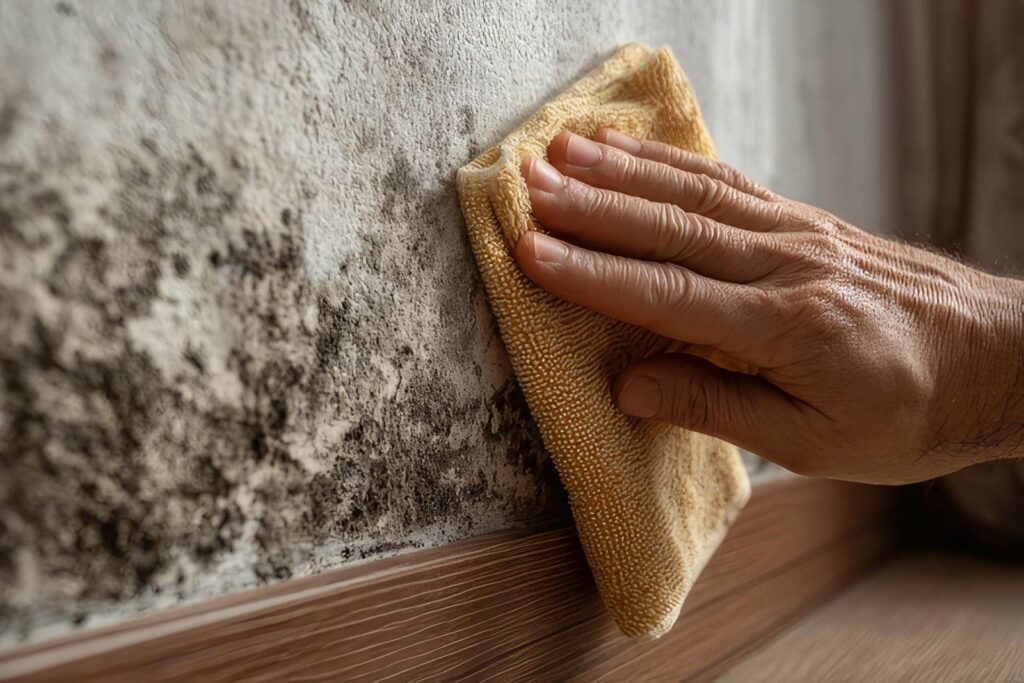
Mold is like an uninvited guest that quietly takes root in your home, bringing potential health risks and structural damage. Understanding the essential mold remediation techniques is vital for every homeowner. You’ll need to identify the sources of moisture, employ safe removal methods, and ensure proper ventilation. But what happens when you encounter stubborn mold or extensive infestations? Knowing when to act and how to protect your space can make all the difference.
Key Takeaways
- Identify and assess mold infestations by checking for visible growth, musty odors, and moisture in vulnerable areas like bathrooms and basements.
- Use personal protective equipment (PPE) such as N95 masks, gloves, and goggles to ensure safety during the remediation process.
- Clean minor mold issues with natural solutions like vinegar and water, or use commercial mold removers for severe infestations.
- Ensure proper ventilation during cleaning to minimize inhalation risks and promote airflow in affected areas.
- Regularly inspect and maintain your home to address leaks, humidity, and moisture accumulation, preventing future mold growth.
What Causes Mold and Its Risks?
Mold thrives in environments where moisture levels are high, so understanding its causes and risks is essential for prevention. Common sources of mold growth include leaks, condensation, and high humidity.
When water accumulates, it creates an ideal breeding ground for mold spores, which can proliferate rapidly. The health effects of mold exposure can vary, ranging from allergic reactions to more severe respiratory issues. Prolonged exposure may lead to chronic conditions, especially in vulnerable populations like children and the elderly.
How to Identify Mold Infestations in Your Home
Recognizing the signs of mold infestations in your home is essential for maintaining a healthy environment.
Start by noting common mold symptoms, such as musty odors, discoloration on walls or ceilings, and visible mold growth in damp areas like bathrooms or basements.
Use inspection methods like checking hidden spaces—behind appliances, under sinks, and in crawl spaces. A moisture meter can help identify damp spots where mold thrives.
Pay attention to any health issues in your household, such as respiratory problems or skin irritations, as they may indicate mold exposure.
Regularly inspecting your home can prevent larger infestations and contribute to a safer living space for you and your family.
Stay proactive in keeping your home mold-free.
Key Safety Tips for DIY Mold Removal
When tackling mold removal yourself, prioritizing safety is essential.
You need to wear appropriate personal protective equipment, including gloves, goggles, and a mask, to shield yourself from spores.
Additionally, ensure proper ventilation in the area to minimize inhalation risks and promote effective air circulation.
Personal Protective Equipment
Before diving into DIY mold removal, equip yourself with the right personal protective equipment (PPE) to ensure your safety. Proper PPE types can greatly reduce your exposure to harmful mold spores.
Follow these safety guidelines to assure effective protection:
Face Coverings: Use an N95 respirator mask to filter out airborne particles.
Eye Protection: Safety goggles can shield your eyes from irritants and spores.
Protective Gear: Wear long sleeves, gloves, and durable clothing to prevent skin contact.
Conduct a risk assessment of the area before starting, and maintain your gear regularly for peak performance.
Your clothing choices matter too; avoid fabrics that can trap mold. Prioritizing safety makes the process smoother and more efficient.
Proper Ventilation Techniques
Ensuring proper ventilation is essential for effective DIY mold removal, as it helps minimize the concentration of airborne spores and reduces the risk of inhalation.
Start by utilizing your home’s ventilation systems, such as exhaust fans and open windows, to enhance airflow management. This will create a cross-breeze, effectively dispersing spores away from your work area.
During remediation, consider using portable air purifiers equipped with HEPA filters to capture particles that may escape.
Always monitor humidity levels, keeping them below 60% to discourage mold growth.
Remember, effective ventilation not only safeguards your health but also promotes a thorough and successful removal process.
Effective Cleaning Solutions for Mold Removal
To effectively combat mold growth, you must utilize specialized cleaning solutions that target and eliminate spores at their source. Choosing the right method can make a significant difference in your home’s health.
Here are three effective options:
Natural Solutions: Use a mixture of vinegar and water. Vinegar’s acidity kills many mold species without harsh chemicals, making it safe for your family.
Baking Soda: Combine baking soda with water to create a paste. This gentle abrasive helps scrub mold while neutralizing odors.
Chemical Options: For more severe infestations, consider using a commercial mold remover that contains bleach or other potent agents. Always follow safety guidelines when using these products.
Each solution has its place; choose what fits your needs best while ensuring your home stays mold-free.
Proper Disinfection Techniques for Mold-Affected Areas
When dealing with mold-affected areas, it’s essential to follow proper disinfection techniques to eliminate any remaining spores and prevent future growth.
Start with thorough surface preparation: remove all visible mold and debris using appropriate cleaning solutions.
After cleaning, select effective disinfection methods, such as a solution of 1 cup of bleach mixed with 1 gallon of water, ensuring proper ventilation.
Apply this solution to the affected surfaces using a spray bottle or cloth, allowing it to sit for at least 10 minutes to effectively kill spores.
Rinse the area with clean water and dry it completely to discourage moisture buildup.
Always wear protective gear, including gloves and masks, to safeguard yourself during this process.
How to Prevent Mold in Your Home
After addressing mold contamination through proper disinfection techniques, taking proactive measures is key to preventing future growth in your home.
Here are three effective strategies:
Humidity Control: Keep indoor humidity levels below 60% by using dehumidifiers and exhaust fans in bathrooms and kitchens. This reduces moisture, a primary contributor to mold growth.
Use Mold Resistant Materials: When renovating or building, opt for mold-resistant drywall and paints. These materials are designed to inhibit mold development, providing an added layer of protection.
Regular Inspections: Routinely check areas prone to moisture, such as basements and attics.
Early detection of leaks or dampness allows for prompt action, minimizing mold risk.
When to Seek Professional Mold Remediation?
How can you tell if your mold problem has escalated beyond DIY solutions? If you notice extensive growth, particularly with mold types like black mold, it’s time to seek professional help.
Remediation signs include persistent odors, visible mold covering large areas, or health issues among household members.
If mold extends beyond 10 square feet or infiltrates porous materials like drywall, DIY methods may not suffice.
Additionally, if you’ve tried cleaning but the mold keeps returning, that’s a clear indication you need experts.
Remember, certain mold types can pose serious health risks, making it essential to act swiftly.
Understanding Costs of Mold Remediation Services
Understanding the costs of mold remediation services is essential for homeowners facing mold issues, especially if the problem is extensive.
Mold remediation pricing can vary greatly based on several factors. Here are three key considerations:
Extent of Contamination: The larger the area affected, the higher the cost. Extensive mold growth requires more labor and materials.
Type of Mold: Certain molds, like black mold, require specialized handling, which can increase your expenses.
Insurance Coverage: Check your policy; some homeowners’ insurance may cover part of the remediation costs, reducing your out-of-pocket expenses.
Tips for Maintaining a Mold-Free Home Year-Round
To maintain a mold-free home year-round, it’s crucial to control moisture levels, as excess humidity provides an ideal breeding ground for mold spores.
Start by using mold-resistant materials in areas prone to dampness, like bathrooms and kitchens. Regularly inspect these areas during seasonal inspections to catch any moisture issues early.
Ensure proper ventilation in high-humidity spaces by installing exhaust fans and opening windows when the weather permits. Keep gutters clean and verify that downspouts direct water away from your foundation.
Use a dehumidifier in particularly humid months to maintain indoor humidity levels between 30-60%.
Frequently Asked Questions
Can Mold Grow in Dry Environments?
Yes, mold can grow in dry environments if moisture is present from factors like condensation or leaks. Implementing effective mold prevention strategies, like controlling humidity levels, is essential for maintaining a healthy space in any climate.
What Materials Are Most Susceptible to Mold?
Materials like wood, drywall, and carpet are most susceptible to mold. You should prioritize mold prevention strategies by using mold-resistant materials, ensuring a safer environment for your home and minimizing potential health risks associated with mold exposure.
How Long Does Mold Take to Grow?
Mold can start growing within 24 to 48 hours under favorable environmental factors like moisture and warmth. Understanding the mold growth timeline helps you take proactive steps to prevent serious issues in your home.
Is It Safe to Live in a Moldy House?
Living in a moldy house isn’t safe. Mold can compromise indoor air quality, leading to health issues. Implementing mold prevention strategies, like controlling humidity and ensuring proper ventilation, is essential for a healthier living environment.
Can Mold Cause Long-Term Health Issues?
Absolutely, lingering mold can lead to persistent health issues. You might experience mold symptoms like respiratory problems. Prioritizing mold prevention in your space helps ensure a healthier environment for you and your loved ones.
Final Thoughts
In your quest to banish mold, you might find that the true enemy isn’t the mold itself but the moisture lurking in your walls. Ironically, while you’re busy scrubbing away at visible spores, neglecting to address leaks or humidity can let mold thrive undetected. By staying vigilant and implementing the right techniques, you can keep your home mold-free. Remember, it’s often the unseen issues that demand your attention most, turning your proactive efforts into a necessity rather than a choice.