
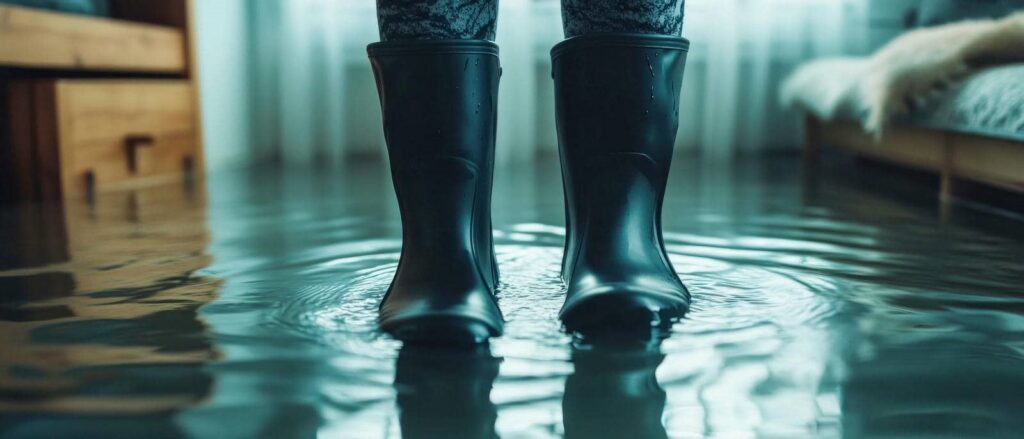
If you’re facing flood damage, it’s vital to act quickly and methodically to minimize loss and ensure safety. Understanding how to assess the damage, remove standing water, and prevent mold growth can make a significant difference. Let’s explore the essential steps you need to take to effectively clean up and restore your space after a flood.
Key Takeaways
- Assess the damage through visual inspections and moisture readings to identify salvageable materials and document findings for insurance claims.
- Wear protective gear, ensure power is off, and check structural integrity before proceeding with cleanup.
- Use a wet/dry vacuum for quick water removal, supplemented by mops and buckets for residual moisture.
- Clean and disinfect surfaces with eco-friendly cleaners and bleach solutions, ensuring proper ventilation to prevent mold growth.
- Remove water-damaged materials promptly, utilize dehumidifiers, and maintain indoor humidity below 60% to inhibit future mold development.
How to Assess Flood Damage: A Step-by-Step Guide
When you’re faced with flood damage, the first step is evaluating the situation to understand the extent of the impact. Use flood evaluation techniques like visual inspections and moisture readings to pinpoint affected areas.
Start by checking walls, floors, and personal belongings, noting any signs of water intrusion. Next, employ damage assessment methods to categorize the severity. Determine if materials are salvageable or need replacement, and don’t forget to document everything with photos for insurance purposes.
This structured approach not only provides clarity but also helps you feel in control during a chaotic time. By taking these steps, you’re not just evaluating damage; you’re laying the groundwork for a safe and informed recovery.
Stay Safe While Cleaning Up
As you engage in the cleanup process, prioritizing your safety is crucial. Flood safety tips can help you navigate this challenging time.
Here are three essential steps to keep in mind:
Wear Protective Gear: Always don gloves, boots, and masks to shield yourself from contaminants and hazardous materials.
Avoid Electrical Hazards: Verify that the power is turned off before entering flooded areas to prevent electrocution.
Stay Aware of Structural Integrity: Be cautious of weakened floors and walls; always assess the environment before moving forward.
Essential Tools for Flood Cleanup
When you’re facing flood damage, having the right tools can make all the difference in your cleanup efforts.
You’ll need essential cleaning equipment to tackle the mess, along with safety gear to protect yourself from hazards.
Let’s explore what you really need to get the job done efficiently and safely.
Must-Have Cleaning Equipment
Cleaning up after a flood can feel overwhelming, but having the right tools makes a significant difference.
Essential cleaning supplies and equipment types streamline the process and ensure a thorough job. Here are three must-have items to take into account:
Wet/Dry Vacuum – This powerful tool can efficiently remove standing water and debris, making it indispensable for flood cleanup.
Mops and Buckets – Use these for scrubbing and soaking up residual moisture, essential for preventing mold growth.
Disinfectants – Effective cleaning supplies help eliminate harmful bacteria and odors, assuring a safe environment for you and your loved ones.
Equipping yourself with these tools fosters a sense of control and belonging during such a challenging time.
Safety Gear Essentials
After gathering the right cleaning tools, it’s important to prioritize your safety during flood cleanup.
Start with protective clothing to shield yourself from contaminants and cold. Waterproof gloves are essential for handling debris safely, while heavy-duty boots keep your feet dry and protected.
Don’t forget eye protection—safety goggles will guard against splashes and irritants. Respiratory masks are critical for filtering out harmful dust and chemical residues.
Keep a first aid kit handy for any unexpected injuries. Remember, electrical safety is important; avoid standing water near outlets.
If you have flood insurance, check your coverage for additional support. Your safety is paramount as you navigate this challenging process, so equip yourself wisely to protect both your health and well-being.
How to Remove Standing Water: Best Practices
Removing standing water is essential for preventing further damage and promoting a safe environment in your home. Addressing this issue promptly reduces the risks associated with standing water hazards, such as mold and structural damage.
Here are some effective water removal techniques to evaluate:
Use a Wet/Dry Vacuum: This tool efficiently removes water from carpets and hard surfaces, making it a must-have for quick cleanup.
Mop and Bucket: For smaller areas, a mop and bucket can help you manage residual water that a vacuum might miss.
Sump Pump: If flooding is severe, a sump pump can quickly and effectively remove large volumes of water.
Drying Out Your Home Effectively
Once you’ve tackled standing water, the next step is drying out your home effectively to minimize damage and prevent mold growth.
Start by using a high-efficiency dehumidifier; its efficiency can greatly reduce humidity levels, making a noticeable difference. Aim to place it in the most affected areas.
Next, enhance air circulation by opening windows and doors, and using fans to push moist air out while drawing in drier air. If possible, run your HVAC system to help with this process.
Keep monitoring humidity levels until they’re back to normal. This proactive approach protects your home and gives you peace of mind, knowing you’re taking the right steps to restore your space.
Cleaning and Disinfecting Surfaces After Flooding
After a flood, cleaning and disinfecting your home is essential for your health and safety.
First, you’ll need to prioritize safety precautions to protect yourself from contaminants.
Then, we’ll explore the best cleaning products and effective disinfection techniques to restore your space.
Safety Precautions First
While tackling the aftermath of a flood, prioritizing safety is vital to protect yourself and your loved ones.
Start by evaluating the situation and remember that emergency preparedness is key. Here are three important safety precautions:
Wear Protective Gear: Use gloves, masks, and boots to shield yourself from contaminants.
Check for Electrical Hazards: Before entering, verify that all electrical systems are safe to avoid shocks.
Avoid Contaminated Water: Steer clear of floodwaters, as they may carry harmful bacteria and chemicals.
If you have flood insurance, document the damage for your claim.
Taking these steps will help you navigate this challenging time, making sure you and your community remain safe and supported.
Recommended Cleaning Products
Cleaning up after a flood requires the right products to ensure your surfaces are thoroughly disinfected and safe.
Start by choosing eco-friendly cleaners that are tough on dirt but gentle on the environment. Look for disinfectant alternatives that contain natural ingredients, like vinegar or hydrogen peroxide, which effectively eliminate bacteria without harsh chemicals.
Don’t forget to stock up on absorbent cloths and sponges that can handle the mess while protecting your hands. If you’re dealing with mold, specialized mold removers can be invaluable.
Always read labels carefully, ensuring the products you select align with your values and safety needs. Together, these choices create a healthier space for you and your loved ones as you recover from the flood.
Disinfection Techniques Explained
When floodwaters recede, it’s crucial to act swiftly to disinfect your home and prevent lingering health risks. Here are some effective disinfection methods you can use:
Thorough Cleaning: Start by removing any mud and debris. Use a stiff brush and appropriate cleaning agents to scrub surfaces.
Disinfectant Application: After cleaning, apply a solution of water and bleach (1 cup of bleach per gallon of water) to hard surfaces. Make sure to follow safety guidelines.
Drying and Ventilation: Allow surfaces to dry completely to inhibit mold growth and ensure proper ventilation throughout your home.
Preventing Mold Growth After Flood Cleanup
As you tackle the aftermath of a flood, preventing mold growth becomes a critical priority to protect your home and health.
Start by using effective mold prevention techniques, such as thoroughly drying out affected areas within 24-48 hours. Open windows and use fans to enhance airflow.
Employ moisture control strategies like dehumidifiers to maintain indoor humidity levels below 60%. Remove any water-damaged materials, such as carpets or drywall, promptly to minimize mold spores.
Regularly check hidden spaces, like behind appliances, for dampness. If you notice any signs of mold, act quickly—clean with appropriate solutions or consult professionals.
Repairing Flood-Damaged Structures
After taking steps to prevent mold growth, your focus shifts to repairing flood-damaged structures. Start by conducting thorough structural assessments to identify any compromised elements. You want to ensure safety before moving forward.
Here are three key steps to guide you:
Foundation Repairs: Check for cracks or shifting. Address any issues promptly to prevent further damage.
Wall and Ceiling Repair: Remove damaged materials and replace them with water-resistant options. This’ll help maintain integrity and prevent future issues.
Flooring Restoration: Evaluate the state of the flooring. If it’s beyond saving, consider replacing it with durable materials that can withstand moisture.
These actions can help restore your home, creating a safe space where you and your loved ones can feel secure again.
When to Call in Professional Restoration Services?
Steering through the aftermath of flood damage can be overwhelming, and knowing when to call in professional restoration services is essential for your peace of mind.
If the damage is extensive, like structural issues or significant water intrusion, don’t hesitate to reach out. Professionals can help navigate your flood insurance claims and establish a clear restoration timeline, ensuring you’re not left in the dark.
If you notice mold growth or persistent odors, it’s a sign you need expert assistance.
Additionally, if you feel unsure about your cleanup efforts or the safety of your environment, professionals can provide the expertise you need.
Preventing Future Flood Damage and Water Issues
To safeguard your home from future flood damage, it’s essential to take proactive steps.
Installing proper drainage systems, regularly maintaining your gutters, and utilizing water-resistant materials can make a significant difference.
Install Proper Drainage Systems
While flood damage can leave lasting scars on your property, installing proper drainage systems is a proactive step that can greatly reduce the risk of future water issues.
By understanding different drainage system types and their installation techniques, you can protect your home effectively. Here are three key considerations:
French Drains: These are excellent for redirecting water away from your foundation, preventing pooling.
Channel Drains: Ideal for driveways and patios, they capture surface runoff, keeping your outdoor areas dry.
Sump Pumps: Installing a sump pump in your basement can help manage groundwater and prevent flooding.
Taking these steps safeguards your property and creates a sense of security for you and your loved ones.
Regularly Maintain Gutters
Even with proper drainage systems in place, neglecting your gutters can lead to significant water issues.
Regular gutter maintenance is crucial for protecting your home from future flood damage. Clogged gutters can overflow, causing water to seep into your foundation and create costly problems.
Make it a habit to perform seasonal inspections—at least twice a year—to clear out leaves, debris, and any blockages. If you’re not comfortable doing this yourself, consider hiring professionals to ensure it’s done correctly.
By taking these proactive steps, you safeguard your property and foster a sense of community care, knowing you’re contributing to a safer environment for everyone.
A well-maintained gutter system is an essential part of your home’s overall health.
Utilize Water-Resistant Materials
When you choose water-resistant materials for your home, you’re not just investing in aesthetics; you’re taking an essential step in flood prevention.
These materials can considerably reduce the risk of water damage, ensuring your space remains safe and welcoming.
Consider these options:
Water-resistant flooring: Options like vinyl or tile can withstand moisture, making them ideal for areas prone to flooding.
Moisture-resistant paints: These coatings protect your walls from mold and mildew, keeping your home healthy and beautiful.
Waterproof insulation: This helps regulate temperature and prevents water infiltration, adding an extra layer of defense.
Frequently Asked Questions
How Long Does Flood Cleanup Typically Take?
Flood cleanup typically takes a few days to several weeks, depending on flood duration and cleanup factors like the extent of damage and available resources. You’re not alone; many face this challenging journey together.
What Personal Protective Equipment Should I Wear During Cleanup?
While you’re donning your safety gear, make sure to wear gloves, boots, goggles, and a mask. These cleanup tips protect you from contaminants, ensuring you feel secure and supported during this challenging process.
Can I Salvage My Furniture After Flood Damage?
Yes, you can salvage your furniture after flood damage. Start with a thorough moisture assessment, then explore furniture restoration options. Acting quickly and properly can help you reclaim and restore your cherished pieces.
Are There Specific Insurance Claims for Flood Damage?
Yes, there are specific insurance claims for flood damage under flood insurance. You’ll need to follow the claim process carefully, documenting losses and providing necessary evidence to ensure you receive the support you deserve.
How Do I Prevent Future Flooding in My Area?
To prevent future flooding in your area, enhance drainage systems, install flood barriers, and regularly maintain local waterways. Connect with neighbors to advocate for community improvements, ensuring everyone feels safe and supported in flood resilience efforts.
Conclusion
Cleaning up flood damage can feel overwhelming, but remember: taking it step by step makes it manageable. By evaluating the damage, using the right tools, and staying vigilant against mold, you’re not just restoring your home—you’re safeguarding your peace of mind. Don’t hesitate to seek professional help if needed; it’s always better to be safe than sorry. In the end, your home will shine again, and you’ll be ready for whatever comes next.