
When it comes to safe black mold removal, understanding risks, wearing proper gear, and using effective techniques are essential. You need to recognize the signs of mold, equip yourself with safety essentials, and implement proven methods. Each step is important to guarantee your health and home are protected. But what happens after you’ve removed the mold? Discover the best practices for prevention and when to seek professional help.
Key Takeaways
- Always wear protective gear, including gloves, masks, and goggles, to prevent exposure to mold spores and cleaning chemicals.
- Use natural solutions like vinegar or a diluted bleach mixture, applying them directly to affected areas and allowing them to sit before scrubbing.
- Replace porous materials, such as drywall or carpeting, as mold can penetrate deeply and remain even after cleaning.
- Ensure proper ventilation during and after removal to reduce humidity and prevent future mold growth.
- Conduct regular inspections of moisture-prone areas, addressing leaks and water damage promptly to inhibit mold development.
Black Mold Risks and Health Concerns
Black mold, specifically Stachybotrys chartarum, poses significant health risks that can affect anyone exposed to it.
Mold exposure effects often manifest as respiratory issues, skin irritation, or even more severe symptoms in sensitive individuals. When you’re exposed, your immune system may react by triggering inflammation, leading to coughing, sneezing, or chronic fatigue.
Those with pre-existing conditions, such as asthma or allergies, might experience heightened immune response reactions, making it essential to address any mold presence promptly.
Prolonged exposure can lead to more serious health complications, including persistent headaches or neurological symptoms.
Understanding these risks is important for your well-being and the health of those around you. Taking action to mitigate exposure guarantees a safer, healthier environment for everyone.
Identify Signs of Black Mold
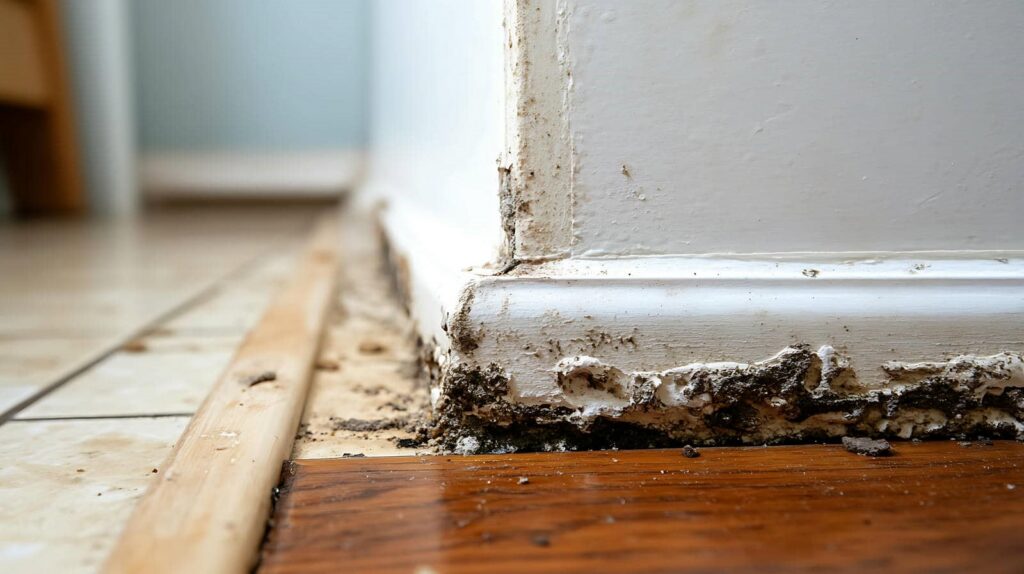
To effectively identify black mold, you’ll need to look for specific visual indicators, such as dark spots on walls or ceilings.
Pay attention to any musty odors, which often signal hidden mold growth.
Additionally, be aware of health symptoms like respiratory issues or allergic reactions that may arise in mold-infested areas.
Visual Indicators of Mold
Identifying visual indicators of mold is essential for maintaining a healthy environment.
Look for mold color variations, which can range from black to green, gray, or even white. These colors often signal different types of mold and can indicate varying levels of toxicity.
Pay attention to damp areas, as moisture sources like leaks, high humidity, or condensation create ideal conditions for mold growth.
Inspect walls, ceilings, and hidden corners regularly, especially in basements and bathrooms.
If you notice any discoloration or fuzzy growth, act quickly. Early detection not only protects your home but also safeguards your health and the well-being of your loved ones.
Stay vigilant, and you’ll foster a mold-free living space for everyone.
Musty Odor Detection
Have you ever noticed a persistent, musty odor in your home? This scent often signals hidden mold growth, particularly black mold. Identifying musty odor sources is essential for maintaining a safe living environment.
Here are some common areas to check:
Basements and Crawl Spaces: High humidity can foster mold growth.
Bathrooms: Leaky pipes and poor ventilation create ideal conditions.
Attics: Roof leaks can lead to moisture accumulation.
Utilizing effective odor detection methods can help pinpoint the problem areas. Consider using moisture meters or infrared cameras to assess hidden moisture.
Health Symptoms Awareness
Persistent musty odors often accompany hidden black mold, but recognizing health symptoms linked to mold exposure is equally important.
You should be aware of various health impacts that can arise from exposure, including respiratory issues, skin irritation, and fatigue. Common symptoms include sneezing, coughing, itchy eyes, and skin rashes.
If you notice these signs, it’s vital to prioritize symptom recognition and assess your environment for mold. Ignoring these symptoms can lead to more severe health complications, particularly for vulnerable groups like children and those with preexisting conditions.
What Safety Gear Do You Need for Mold Removal?
When you’re preparing for mold removal, wearing the right safety gear is vital.
You’ll need essential protective clothing, effective respiratory protection options, and eye safety measures to safeguard against exposure.
Let’s explore each of these components to guarantee you stay safe during the removal process.
Essential Protective Clothing
To effectively tackle mold removal, investing in the right protective clothing is essential.
Wearing appropriate protective gear not only guarantees your safety but also enhances your confidence during the process.
Here are the key items you should consider:
Disposable Coveralls: These protect your skin from mold spores and prevent contamination of your clothing.
Gloves: Choose nitrile or latex gloves to shield your hands from mold and cleaning chemicals.
Goggles: Safety goggles protect your eyes from irritants and spores that could cause harm.
Respiratory Protection Options
Effective mold removal requires proper respiratory protection to safeguard your health. When tackling black mold, you need high-quality respiratory masks equipped with efficient filtration systems.
N95 respirators are a popular choice, as they filter out 95% of airborne particles, including mold spores. For more severe infestations, consider using a half-face or full-face respirator with P100 filters, which offer even greater protection.
Make sure the mask fits snugly to prevent any leaks; a proper seal is essential. Remember to replace filters regularly to maintain their effectiveness.
Eye Safety Measures
Protecting your eyes during mold removal is just as important as safeguarding your respiratory health. Exposure to mold spores can lead to irritation and serious health issues.
Implementing effective eye protection strategies is essential. Here are some eyewear recommendations to keep your vision safe:
Safety Goggles: Choose goggles that fit snugly and provide a seal around your eyes to prevent airborne particles from entering.
Face Shields: Use a full-face shield for additional protection, especially when scrubbing surfaces or using chemicals.
Wraparound Sunglasses: If you’re in a well-ventilated area, these can offer some protection against larger particles.
Implement Effective DIY Techniques
While black mold can pose serious health risks, implementing effective DIY techniques can help you safely remove it from your home.
Start by identifying affected areas and using natural solutions like a mixture of vinegar and water to treat small patches. Apply the solution directly, letting it sit for at least an hour before scrubbing with a brush.
For porous materials, like drywall, consider replacing them entirely, as mold can penetrate deeply. Always wear protective gear, including gloves and masks, to minimize exposure.
After cleaning, make sure the area is well-ventilated to prevent future growth. By using these effective techniques, you can reclaim your space and foster a healthier environment for yourself and your loved ones.
What to Do After DIY Mold Removal?
After successfully removing black mold, it’s essential to take steps to guarantee that it doesn’t return.
Implementing effective post removal maintenance will help you maintain a healthy environment. Here are key actions to evaluate:
Inspect regularly: Check areas prone to moisture for any signs of mold resurgence.
Utilize cleaning methods: Regularly clean surfaces with vinegar or specialized mold cleaners to inhibit growth.
Control humidity: Keep indoor humidity levels below 60% using dehumidifiers or proper ventilation.
When to Call in Professional Mold Remediation Services
Recognizing when to call in professional mold remediation services is vital for guaranteeing your home remains safe and healthy. If you notice extensive mold growth—over ten square feet—or if mold persists despite your DIY efforts, it’s time to seek expert help.
Additionally, if you have underlying health issues, professional remediation is important to minimize exposure. Look for companies with professional certifications to verify they meet industry standards.
While mold remediation costs can vary, investing in specialists can save you long-term health and property expenses. Don’t hesitate to reach out; your home’s safety and your family’s well-being are worth it.
Prioritize professional assistance when the situation exceeds your capabilities to handle effectively.
Best Practices to Prevent Black Mold Growth
Preventing black mold growth starts with proactive measures in your home. You can greatly reduce the risk by focusing on key areas that promote a healthy environment.
Here are a few best practices:
Humidity Control: Maintain indoor humidity levels below 50% using dehumidifiers or air conditioners.
Ventilation Improvement: Guarantee proper airflow in your home by using exhaust fans in kitchens and bathrooms, and by opening windows when weather permits.
Regular Inspections: Routinely check for leaks and water damage, addressing any issues immediately.
Access Resources for Ongoing Mold Management
How can you guarantee your home remains mold-free over time? Start by implementing effective mold management strategies tailored to your environment.
Regularly inspect areas prone to moisture, like basements and bathrooms, and make certain ventilation is adequate. Utilize ongoing monitoring techniques, such as humidity sensors, to detect potential mold growth early.
Consider investing in mold-resistant materials when renovating or repairing.
Join local forums or online communities focused on home maintenance; these can provide valuable insights and support.
Finally, consult professionals for routine assessments, making sure you stay informed about potential mold issues.
Frequently Asked Questions
Can Black Mold Grow in Furniture or Belongings?
Yes, black mold can grow in furniture and belongings. Regular furniture inspections help identify moisture issues, while mold prevention strategies like controlling humidity and ensuring proper ventilation can protect your items from mold growth.
How Long Does It Take to Remove Black Mold?
Removing black mold typically takes a few hours to several days, depending on the mold removal timeline and factors affecting duration, like the infestation’s size, affected materials, and your chosen remediation method.
Is It Safe to Stay in the House During Removal?
Staying in the house during mold removal isn’t safe; it’s like breathing in toxic fog. Poor air quality poses serious health risks. You should evacuate to protect your well-being while professionals address the issue.
What Are the Costs Associated With Professional Mold Removal?
Mold removal costs typically range from $500 to $6,000, depending on the severity and location of the mold. Professional services guarantee thorough remediation, reducing health risks and preventing future growth, making it a worthwhile investment.
How Can I Test for Black Mold Myself?
Imagine finding a hidden treasure; that’s how DIY mold kits can uncover black mold. You can use simple mold testing methods, like air sampling or surface swabs, to reveal unseen dangers lurking in your home.
Wrap-Up
Removing black mold can be a DIY triumph or a hazardous misstep. While tackling small infestations with safety gear and effective techniques can empower you, neglecting persistent mold may lead to health risks and costly damage. Remember, the choice between tackling it yourself or calling in professionals hinges on the extent of the problem. Prioritize safety and prevention, ensuring your home remains a healthy sanctuary, free from the lurking dangers of black mold.