
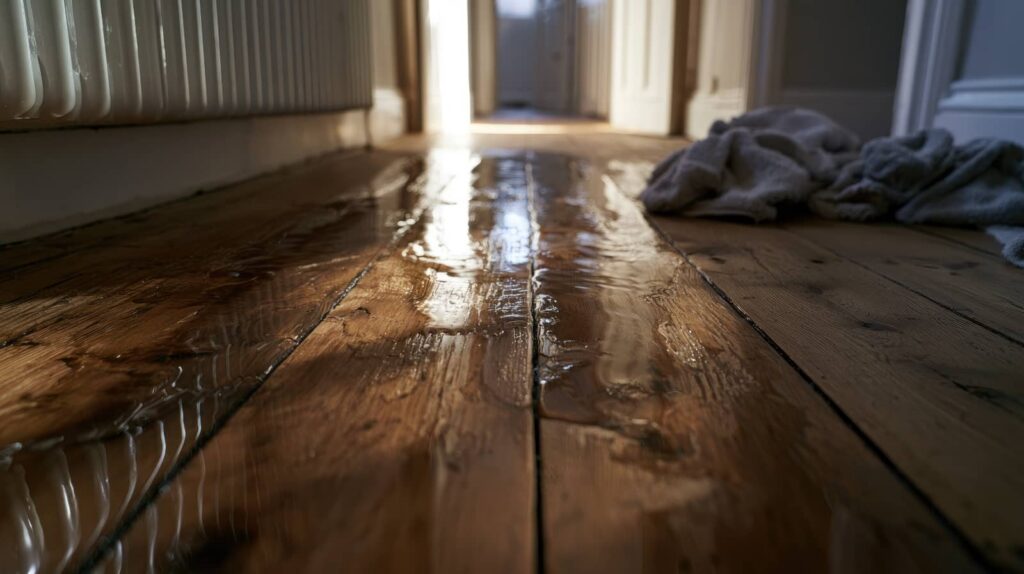
You assess the roof, you check the siding, you inspect the gutters, and you document the damage. Storm damage repair usually starts with a full inspection for missing shingles, leaks, cracked flashing, broken windows, and damaged trim, then moves to cleanup, water removal, material replacement, and secure repairs. If mold or hidden moisture is involved, that can change the next steps fast.
Key Takeaways
- Roof inspections identify missing shingles, dents, leaks, and damaged flashing after wind, hail, or debris impact.
- Storm damage repair includes fixing siding, windows, gutters, trim, and other exterior materials.
- Damaged sections are replaced, loose areas secured, and exposed spots tarped to prevent further water intrusion.
- Debris removal and cleanup restore safe access and prepare the property for repairs.
- Documentation of damage supports insurance claims and speeds restoration work.
Storm Damage Repair: What It Includes
Storm damage repair includes the work needed to restore your property after wind, hail, rain, or debris causes damage. You’ll start with a roof inspection to spot missing shingles, dents, leaks, and weakened flashing.
Next, you’ll assess siding, windows, gutters, and exterior trim for cracks or breaks. Repair crews then replace damaged materials, secure loose sections, and help protect your home from further wear.
If you need help with insurance claims, you can document damage with photos, estimates, and reports to support your case. A good repair plan keeps you informed and makes the process feel manageable.
You’re not facing it alone; trusted professionals can guide you step by step and help you get your place back to normal.
Emergency Water Removal After a Storm
When water gets inside after a storm, you need to remove it fast to limit structural damage, mold growth, and costly repairs.
You can start by shutting off power to affected areas and moving safe items to dry spots. Then use water extraction tools to pull standing water from floors, carpets, and low areas. Quick action helps protect your home’s framing, finishes, and air quality.
If you act early, you also support flood prevention by stopping water from spreading into other rooms.
You don’t have to handle it alone; trained help can work with you, bring the right equipment, and restore order faster.
The goal is simple: dry the space, reduce risk, and get your home back to normal with confidence.
How Flooded House Cleanup Works
After the floodwater is out, cleanup moves in a clear sequence: assess the damage, remove soaked materials, clean and disinfect affected surfaces, and dry the area thoroughly.
You’ll sort what can be saved from what can’t, then clear out wet carpet, drywall, and insulation before mold has a chance to spread.
Next, you wipe down hard surfaces with safe cleaners and check hidden spots for lingering water damage.
Fans and dehumidifiers help pull moisture from the air and framing.
As you work, keep notes and photos for your records. This process helps you regain control and feel supported, not overwhelmed.
Once things are dry, you can look at flood prevention steps that may reduce trouble next time.
Storm Damage Restoration Steps
Once the immediate danger passes, you can start restoration by making the site safe, documenting the damage, and contacting your insurance company or a trusted restoration team.
Next, clear broken materials and handle debris removal so walkways, driveways, and rooms stay accessible. You’ll want roof inspections right away, since hidden damage can let more water in and turn a small issue into a bigger repair.
From there, your team can tarp exposed areas, board openings, and separate salvageable items from those that need replacement.
Keep notes and photos as work moves forward, and stay in touch with your insurer so claims stay organized.
Step by step, you’re not handling this alone—you’re rebuilding a safer, stronger space with support.
When Mold Remediation Is Necessary
As you clear debris and inspect for hidden damage, watch closely for any signs of lingering moisture, because mold can start growing fast in damp, enclosed areas.
You may need mold remediation if you smell a musty odor, see visible growth, or find drywall, insulation, or carpet that stayed wet for more than 24 to 48 hours.
A professional mold assessment helps you know how far the problem has spread and whether you can safely handle cleanup yourself.
Acting quickly lowers health risks for you and your family, especially if anyone has allergies, asthma, or a weakened immune system.
Drying the area fast, removing damaged materials, and sealing off affected rooms can help restore your home and your confidence.
Frequently Asked Questions
How Soon Should I Call My Insurance Company After Storm Damage?
Call your insurance company as soon as you can after storm damage; you’ll protect your claim timeline and preserve insurance coverage. You’re not alone—quick reporting helps your community get support, faster.
What Documents Should I Gather Before Filing a Storm Damage Claim?
You should gather photos, videos, receipts, repair estimates, policy details, and any police or weather reports. The early bird gets the worm—having necessary paperwork ready helps your claim process move smoothly, and you’ll feel supported.
Can I Stay in My Home During Storm Repairs?
Yes, you can sometimes stay in your home during repairs if home safety isn’t compromised. If work makes rooms unusable or unsafe, you’ll need temporary housing. Your contractor can help you decide quickly.
How Do I Choose a Reliable Storm Damage Repair Contractor?
Choose a contractor with strong qualifications, proper licensing, and solid insurance. Read client testimonials, ask for storm repair examples, and compare estimates. You’ll feel more confident when you pick someone trustworthy, responsive, and transparent.
What Safety Hazards Remain After the Visible Damage Is Cleaned?
Like an iceberg, hidden dangers can linger after cleanup: remaining hazards include unstable structures, live wires, mold, and contaminated water. You should inspect carefully, stay out of damaged areas, and call trusted professionals for safety.
Review
Storm damage repair doesn’t just fix what you can see—it helps protect your home from what you can’t. You’ll start with inspection, then move to water removal, cleanup, repairs, and, when needed, mold remediation. It’s a step-by-step process, but you don’t have to handle it alone. Like a roof that shields after the storm, the right repairs restore safety, comfort, and confidence.