
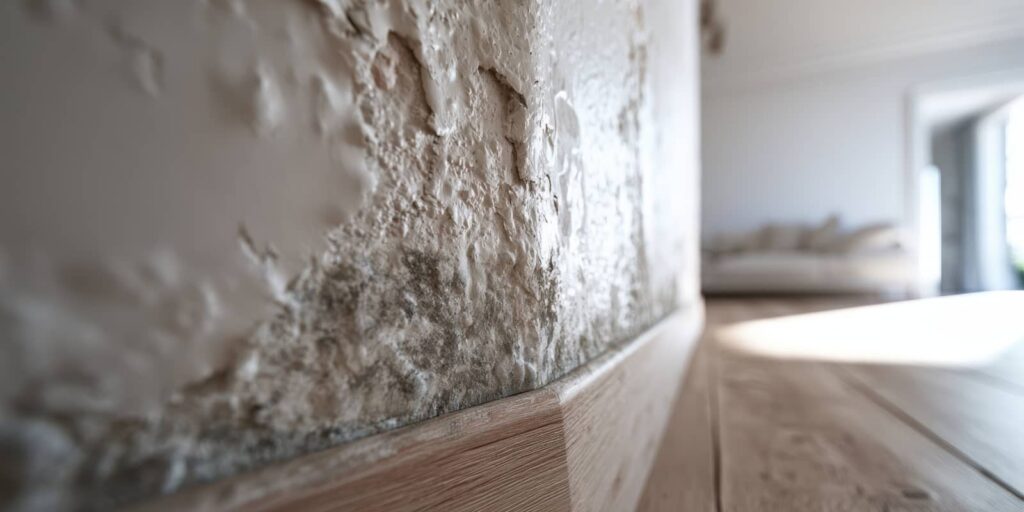
When water damage hits your home, you need to act fast because mold can begin growing within 24 to 48 hours. You’ll want to know which signs point to hidden contamination, how specialists remove moisture, and what steps actually stop regrowth. The process isn’t just cleanup; it’s a controlled sequence of inspection, containment, drying, and treatment that can protect your property, if you know what to expect next.
Key Takeaways
- Water damage mold treatment starts with shutting off water, removing standing water, and documenting damage for insurance.
- Professionals inspect for hidden moisture, musty odors, and visible mold to locate all affected areas.
- Remediation includes containment, removal of contaminated materials, and antimicrobial treatment to stop spreading spores.
- Complete drying and ventilation are essential to prevent mold from returning after cleanup.
- Costs depend on damage size, hidden moisture, testing needs, and whether mold-resistant repairs are required.
What To Do After Water Damage
If your property has just experienced water damage, you need to act quickly to limit mold growth and structural deterioration.
First, shut off the water source if you can do so safely, then call an emergency response team to begin extraction and drying.
You should document the affected areas with photos and notes before moving items, because this helps with insurance claims.
Next, remove standing water, increase airflow, and disconnect power in wet zones if there’s any risk of electrical exposure.
Keep family members and pets away from saturated materials until a professional evaluates them.
Your team will monitor moisture, sanitize salvageable surfaces, and identify hidden pockets behind walls or flooring.
Acting fast helps you protect your home, your health, and your peace of mind.
Signs of Mold After Water Damage
Once moisture lingers after water damage, mold can begin developing within 24 to 48 hours, so you should watch for early warning signs right away.
You may notice a musty odor, dark spotting on drywall, peeling paint, or warped flooring. In your home, condensation around vents, damp insulation, and recurring stains often point to hidden growth.
Different mold types can appear green, black, white, or fuzzy, but color alone doesn’t confirm danger. If you’ve had leaks, flooding, or soaked materials, pay attention to allergy-like symptoms, since health risks increase when spores spread through shared air.
You’re not alone in this process; by identifying these signs early, you help protect your household and keep the space safe, stable, and ready for professional evaluation.
How Mold Remediation Works
You’ll start with a thorough inspection to locate the mold growth and trace the moisture source that’s feeding it.
Next, the affected area gets contained and the contaminated materials are removed so spores don’t spread to other spaces.
Then you dry the structure completely and correct the water issue to help prevent mold from returning.
Inspection And Moisture Source
Before any mold removal begins, a technician inspects the affected area to identify visible growth, hidden damage, and the moisture source that’s feeding it.
You’ll usually see moisture mapping used to trace damp zones behind walls, under flooring, and around trim, so the team can understand how far the water traveled. During these inspection techniques, they check plumbing leaks, roof intrusion, HVAC condensation, and poor drainage.
You stay informed because the findings show what’s causing the problem and why it keeps returning. This step matters because mold won’t stop spreading if the source remains active.
Once the source is confirmed, you’ll know the next actions are built on accurate data, not guesswork, and that gives you confidence you’re in capable hands.
Containment And Removal
With the moisture source identified, the remediation crew isolates the contaminated area to prevent spores from spreading during cleanup. You’ll see containment methods such as plastic barriers, negative-air pressure, and sealed access points working together to protect adjacent rooms.
Inside the enclosure, technicians remove affected materials using removal techniques matched to the surface and contamination level.
- Seal openings and ducts.
- Establish air control.
- Bag and extract damaged materials.
- HEPA-clean remaining surfaces.
You can feel confident because each step limits cross-contamination and keeps the process orderly. The team documents what’s removed, explains what stays, and works as if your space matters—because it does.
This careful approach helps you stay informed, supported, and part of a plan built around your home’s recovery.
Drying And Prevention
Once the damaged materials are out, the crew turns to drying the structure fast and thoroughly to stop any remaining moisture from feeding new mold growth.
You’ll see targeted dehumidifier use, air movers, and ventilation strategies that pull damp air out of wall cavities, flooring, and framing.
Technicians monitor humidity, temperature, and moisture content each day, so they can verify the structure is returning to safe levels.
If hidden wet spots remain, they adjust equipment placement and increase airflow until readings stabilize.
This process protects your home’s materials and helps your space feel familiar again.
Water Removal Steps Before Mold Cleanup
As soon as you identify standing water, remove it quickly to limit further damage and slow mold growth. You should begin water extraction with a pump or wet vacuum, then move to smaller tools for trapped moisture.
Take safety precautions: shut off power in wet areas, wear gloves and boots, and avoid contaminated water.
- Clear movable items so you can reach the floor and lower walls.
- Extract visible water from carpets, tile, and concrete.
- Blot damp surfaces and open pathways for airflow.
- Verify that hidden pockets behind baseboards and under cabinets are dry.
When you work methodically, you protect your space and help your cleanup team step in with confidence.
How Much Water Damage Mold Treatment Costs
After water removal, the next question is usually cost, and mold treatment prices vary based on how far moisture spread, what materials were affected, and whether demolition is needed.
You’ll usually see small, contained jobs cost less than projects involving drywall, insulation, or subfloor replacement. Other cost factors include testing, containment setup, HEPA filtration, and antimicrobial application.
If mold has reached hidden cavities, your mold treatment may require more labor and specialized equipment, which raises the total.
You’re not alone in this process; a qualified team can explain each line item and keep the plan clear.
Ask for a written estimate that separates labor, materials, and disposal so you can compare services confidently and choose the right level of remediation.
How To Prevent Mold After Flood Damage
To prevent mold after flood damage, you need to dry the structure fast, control humidity, and remove materials that can’t be fully dried. You can protect your home and your team by acting within 24 to 48 hours.
Stay with a proven cleanup plan:
- Shut off standing water and use high-capacity fans and dehumidifiers.
- Remove drywall, insulation, and carpet that stayed wet.
- Disinfect hard surfaces, then keep indoor humidity below 50%.
- Rebuild with mold resistant materials and strengthen your flood preparedness.
You’ll reduce spore growth when you monitor hidden cavities, seal leaks, and keep air moving.
If you smell musty odors or see staining, don’t wait; call professionals who understand your space and can help you restore a healthy, stable environment.
Frequently Asked Questions
How Long Does Mold Treatment Usually Take?
Mold treatment usually takes one to five days, depending on mold growth and treatment methods. You’ll get faster results with small areas, while larger infestations may need extra drying, cleaning, and follow-up inspections.
Are Mold-Damaged Belongings Always Salvageable?
No, you’re not always able to save mold-damaged belongings. You can assess salvageable items with mold removal techniques, but porous materials often need disposal. You’ll get clear, careful guidance, and you’re not facing this alone.
Do I Need to Leave Home During Remediation?
Not always; you can often stay during remediation if affected areas’re sealed. For mold health, you should follow the remediation process team’s guidance, because containment, ventilation, and exposure levels determine whether you need temporary relocation.
Can Mold Return After Professional Treatment?
Yes, mold can return after professional treatment, like a garden regrowing weeds. You’ll reduce risk with mold prevention strategies and long term monitoring, keeping your space dry, sealed, and supported by professionals who’ve got your back.
Does Insurance Cover Hidden Mold From Leaks?
Usually, yes if your policy covers sudden leak damage, you may get hidden mold covered. You’ll need to review insurance policy nuances, document promptly, and use mold prevention strategies to protect your home and community.
Summary
If you act fast after water damage, you can stop mold before it takes root and spreads like wildfire. You’ll protect your property by removing water, drying hidden areas, and following proper remediation steps. When you understand the signs, costs, and prevention methods, you stay in control of the repair process. Don’t wait for dampness to become damage; your quick response helps create a safer, healthier, mold-resistant space for the long term.