
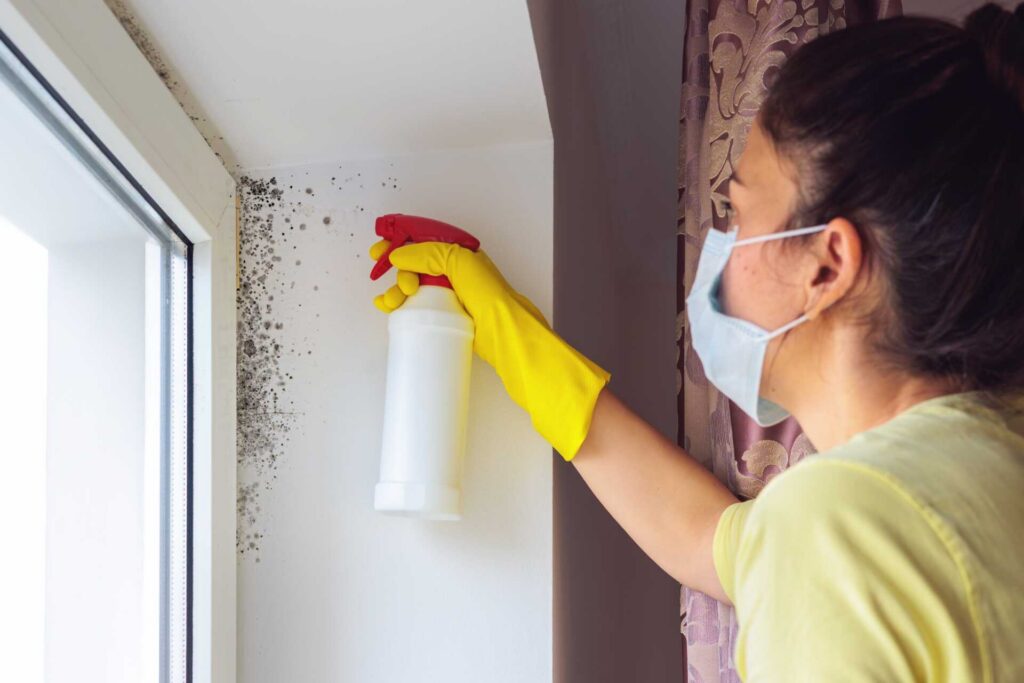
Black mold can lurk in hidden corners, while its dangers are often underestimated. Choosing professional black mold removal techniques ensures that you address both visible and concealed infestations effectively. With their expertise, specialists can pinpoint moisture issues and eliminate mold thoroughly, reducing health risks for you and your family. However, not all approaches are equal, and understanding the nuances can make a significant difference in your home’s safety. What should you look for in a professional service?
Key Takeaways
- Professionals possess specialized knowledge about black mold growth, ensuring effective identification and treatment of infestations.
- They use advanced equipment and techniques that are more effective than standard DIY methods for thorough removal.
- By addressing moisture sources, professionals prevent future mold recurrence, safeguarding your home and health.
- Expert remediation adheres to industry standards, minimizing health risks associated with black mold exposure.
- Hiring professionals promotes a healthier living environment, reducing the chances of respiratory and neurological issues for residents.
Why Black Mold Poses Serious Risks to Your Health
When you encounter black mold in your home, it’s vital to understand the serious health risks it poses. Mold toxicity can trigger a range of health symptoms, from respiratory issues to neurological problems. You might experience persistent coughing, sneezing, or even skin irritation.
Those with pre-existing conditions, like asthma or allergies, may find their symptoms exacerbated. Prolonged exposure can lead to more severe issues, including chronic fatigue or immune system suppression.
Understanding these risks is essential, as black mold can proliferate quickly in damp environments, further increasing your exposure. Taking immediate action protects your health and fosters a sense of security in your living space.
Prioritizing safety ensures you and your loved ones can thrive in a healthy environment.
Signs You Need Professional Black Mold Removal
How can you tell if it’s time to call in professionals for mold removal? Look for mold growth indicators like visible spots on walls, ceilings, or hidden areas.
If you notice a musty odor detection that lingers despite cleaning efforts, that’s a sign you shouldn’t ignore.
Pay attention to any unexplained health issues, such as respiratory problems or allergic reactions.
If your DIY attempts haven’t resolved the issue, it’s essential to seek expert help. Black mold can spread quickly, causing more extensive damage and health risks.
By recognizing these signs early, you protect your home and well-being.
Don’t hesitate; getting professionals involved can ensure thorough and safe mold removal.
Why You Should Hire Black Mold Removal Experts
Hiring mold removal experts is essential for effectively addressing black mold infestations in your home. Their expert qualifications ensure that they understand the complexities of mold growth, including its health risks and the best removal techniques.
You might think about cost considerations, but investing in professionals can save you money in the long run by preventing further damage and health issues. These experts use specialized equipment and techniques that are often unavailable to the average homeowner.
Additionally, they follow industry standards to ensure safe and thorough mold remediation. By hiring professionals, you’re not just removing black mold; you’re safeguarding your home and your family’s health, creating a safe and welcoming environment for everyone.
Step-By-Step Guide to the Mold Removal Process
To effectively tackle mold issues, start by evaluating the extent of the damage in your space.
You’ll need to identify affected areas and determine the best safe removal techniques.
This structured approach ensures that you address the problem thoroughly and minimize health risks.
Assessing Mold Damage
Before diving into mold removal, it’s essential to assess the extent of the damage. Start with visual inspection methods, examining walls, ceilings, and hidden areas like behind appliances.
Look for discoloration, water stains, or a musty smell, which can indicate mold presence. Use mold assessment techniques, such as moisture meters and air sampling, to determine the severity and type of mold.
Document your findings, noting affected areas and potential sources of moisture, as this information is vital for effective remediation. Engaging in this thorough assessment not only helps you understand the situation better but also fosters a sense of community responsibility in maintaining a healthy living environment.
Proper assessment sets the stage for successful mold removal.
Safe Removal Techniques
Once you’ve assessed the mold damage, it’s time to implement safe removal techniques. First, gather necessary equipment like gloves, goggles, and an N95 respirator to ensure equipment safety.
Seal off the affected area with plastic sheeting to prevent spores from spreading. Next, use a solution of water and detergent to scrub the mold off non-porous surfaces.
For porous materials, like drywall, you may need to remove and discard them entirely. Always apply preventive measures, such as fixing leaks and improving ventilation, to reduce future mold growth.
Finally, confirm proper disposal of contaminated materials and clean your tools thoroughly. Following these steps helps create a safer, mold-free environment for you and your loved ones.
Common DIY Mold Remediation Mistakes to Avoid
While attempting DIY mold remediation can seem like a cost-effective solution, many homeowners overlook critical mistakes that can exacerbate the problem.
One significant error is inadequate mold identification; without proper mold identification tips, you might treat the wrong type, leading to DIY failure consequences.
Additionally, skipping safety precautions can expose you to harmful spores.
Failing to address moisture sources ensures that mold will return, defeating your efforts.
Using improper cleaning solutions can also cause damage to your surfaces or worsen the mold issue.
Finally, neglecting to thoroughly dry the area post-remediation can lead to a cycle of mold growth.
What Health Risks Does Mold Exposure Pose?
Mold exposure can lead to various health risks, primarily affecting your respiratory system and triggering allergies.
Additionally, certain molds produce toxins that may result in long-term health issues, especially for vulnerable populations like children and the elderly.
Understanding these risks is essential for maintaining a safe living environment.
Respiratory Issues And Allergies
Exposure to mold can trigger a range of respiratory issues and allergies, particularly in sensitive individuals. If you’re exposed, you might experience allergy symptoms like sneezing, runny nose, or itchy eyes.
For some, mold can exacerbate asthma or lead to new respiratory infections, such as bronchitis or sinusitis. These reactions occur because mold spores can irritate your airways, making it difficult to breathe comfortably.
Furthermore, prolonged exposure increases the risk of chronic health issues, especially if you’re already prone to respiratory conditions. It’s vital to address mold problems promptly to protect your health and maintain a safe living environment.
Choosing professional black mold removal techniques ensures thorough remediation, reducing your exposure to harmful spores.
Toxicity And Long-Term Effects
When you come into contact with mold, the potential health risks can extend far beyond immediate allergic reactions. Mold exposure can lead to various toxicity symptoms, including headaches, fatigue, and cognitive difficulties.
Prolonged exposure may exacerbate these issues, resulting in chronic respiratory problems and neurological effects. It’s essential to recognize that even individuals without pre-existing conditions can suffer from these long-term effects.
Additionally, certain mold species produce mycotoxins, which can severely impact your immune system. Understanding these risks fosters a sense of belonging to a community that prioritizes health and well-being.
Vulnerable Populations At Risk
How can vulnerable populations protect themselves from the health risks posed by mold?
Children’s health and the elderly’s vulnerability make them particularly at risk. Mold can exacerbate respiratory conditions, leading to severe complications for those with weakened immune systems. For children, prolonged exposure can impact growth and development, while older adults may experience increased susceptibility to infections.
Additionally, mold exposure can negatively affect mental health, causing anxiety and depression.
It’s essential to maintain a healthy environment by addressing moisture issues and ensuring proper ventilation. Regular inspections and professional mold removal techniques help safeguard these vulnerable groups, reducing the environmental impact of mold and promoting overall well-being.
Prioritizing these actions can greatly enhance health outcomes for everyone involved.
How to Prevent Future Mold Growth
To effectively prevent future mold growth, maintaining low humidity levels in your home is essential. Aim for a humidity level between 30% and 60%, using dehumidifiers where necessary.
Incorporate preventative measures like sealing leaks and ensuring proper ventilation in areas prone to moisture, such as bathrooms and kitchens. Regularly inspect your home for any signs of water damage, as early detection can save you from larger issues.
Use moisture control methods, such as exhaust fans and moisture-absorbing materials, to keep dampness at bay. Additionally, consider using mold-resistant paint and materials during renovations.
How to Choose the Best Mold Removal Service
Selecting the right mold removal service can greatly impact the effectiveness of the remediation process. To ensure you make an informed choice, consider the following factors:
Service Credentials: Verify their certifications and training in mold remediation.
Customer Reviews: Read testimonials to gauge past client satisfaction and reliability.
Pricing Transparency: Ensure you receive a clear, detailed estimate without hidden fees.
Equipment Used: Inquire about the technology and methods they employ for effective removal.
Additionally, check their insurance coverage for peace of mind. Assess their response time for emergencies, and ask about service guarantees and follow-up support.
These elements will help you choose a service that aligns with your needs and expectations.
Frequently Asked Questions
How Long Does Professional Mold Removal Typically Take?
Professional mold removal typically takes one to three days, depending on the extent of mold growth. It’s essential to act quickly, as prolonged exposure poses significant health risks to you and your family.
What Are the Costs Associated With Mold Removal Services?
Mold removal pricing varies based on your home’s size and severity. Typically, mold inspection costs range from $200 to $600, while complete removal can start around $1,500, depending on the complexity of the situation.
Does Insurance Cover Mold Removal Expenses?
Insurance might cover mold removal, but it often depends on your policy’s coverage limits and specific circumstances. It’s essential to review your mold insurance details to understand any exclusions or requirements that may apply.
Can Mold Return After Professional Removal?
Yes, mold can return after professional removal if you don’t implement mold prevention strategies. Addressing moisture and ventilation is vital, as lingering humidity poses health risks, making proactive measures essential to maintain a mold-free environment.
Are There Eco-Friendly Mold Removal Options Available?
Some mold removal products are eco-friendly. You can effectively use natural remedies like vinegar and baking soda for safe mold removal. These eco-friendly products ensure a healthier environment for you and your loved ones.
Conclusion
In the domain of home maintenance, tackling black mold is like steering through a treacherous maze. One wrong turn can lead to hidden dangers. By choosing professional mold removal techniques, you ensure a safe, thorough approach to remediation. Just as a skilled navigator charts a safe course, experts possess the tools and knowledge to eliminate mold and prevent its return. Prioritizing your family’s health means opting for experienced professionals who can effectively handle the complexities of mold remediation.