
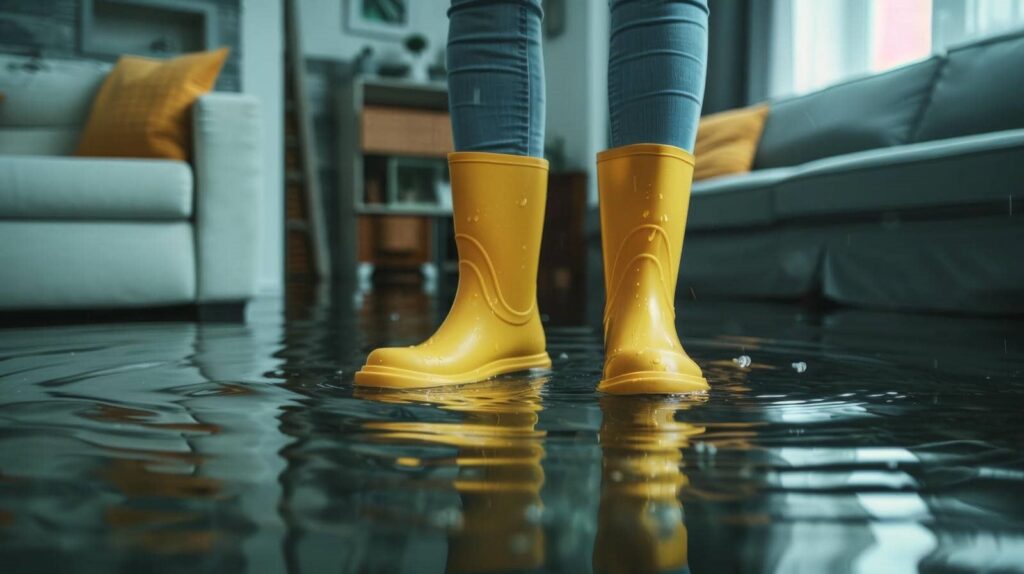
Imagine a small leak in your roof, unnoticed for weeks, slowly wreaking havoc on the structure beneath. Just like that, flood damage can escalate quickly, leading to severe consequences if not addressed promptly. You might feel overwhelmed by the task ahead, but understanding the importance of effective cleanup can make all the difference. What steps can you take to ensure your home and health are protected?
Key Takeaways
- Timely cleanup prevents severe structural damage and reduces costly repairs during flood recovery efforts.
- Rapid action minimizes health risks from mold growth, which can occur within 24 to 48 hours.
- Engaging professionals ensures efficient restoration, saving time and alleviating stress during the recovery process.
- Documenting damages promptly is crucial for insurance claims, as delays may lead to claim denials.
- Community support fosters emotional resilience and provides valuable resources for effective cleanup and recovery.
Why Timely Flood Damage Cleanup Is Crucial
When a flood strikes, the urgency of cleanup can’t be overstated; delaying this process can lead to severe structural damage and health risks.
You may not realize it, but every hour counts in your restoration timeline. Mold can begin to grow within 24 to 48 hours, posing significant health risks, especially for vulnerable individuals like children and the elderly.
By acting quickly, you protect your home and the well-being of your loved ones. Engaging professionals who understand the intricacies of flood damage can streamline this urgent process, ensuring that your space is safe and habitable again.
Risks of Delayed Flood Damage Response
Delaying your response to flood damage can lead to a cascade of problems that worsen over time. The longer you wait, the greater the risk of health hazards like mold and mildew, posing serious threats to you and your loved ones.
Structural integrity of your home can deteriorate, escalating repair costs and financial implications. You might also face insurance complications, as delays can lead to denied claims.
The emotional impact of seeing your home and community suffer can weigh heavily on your spirit. Long-term effects may ripple through your neighborhood, hindering community recovery and creating environmental concerns.
Taking prompt action protects your home and fosters a sense of belonging and resilience within your community.
Essential Steps for Thorough Flood Damage Cleanup
As soon as floodwaters recede, it’s essential to begin the cleanup process to minimize damage and protect your health. Start by ensuring your safety—wear protective gear and avoid contaminated areas.
Remove standing water and wet materials promptly, as mold can develop quickly. Document the damage for insurance purposes, capturing photos of affected areas.
Reach out to your community for support; many local organizations can provide resources and assistance.
As you tackle this overwhelming task, remember to lean on friends and family for emotional resilience. Sharing experiences can foster a sense of belonging, helping you cope with the aftermath.
Benefits of Hiring Professional Cleanup Services
After addressing the immediate concerns of flood damage, you might wonder whether to tackle the cleanup on your own or enlist professional help. Hiring experts offers significant benefits that go beyond mere convenience.
You gain peace of mind, knowing your home is in capable hands.
Their expert knowledge ensures thorough property preservation, reducing potential long-term damage.
You save time and stress, allowing you to focus on recovery.
Professional cleanup services prioritize health safety and efficiency, minimizing the risk of mold and other hazards.
While there may be upfront costs, the long-term cost savings and stress reduction make it worthwhile.
Tools and Techniques for Flood Cleanup
When facing the aftermath of a flood, knowing the right tools and techniques can make all the difference in your cleanup efforts.
You’ll want to focus on essential cleanup equipment, effective water extraction methods, and proactive mold prevention techniques.
These strategies help restore your space and protect your health and belongings.
Essential Cleanup Equipment
To effectively tackle flood damage cleanup, having the right tools and techniques at your disposal is crucial. Investing in quality equipment helps you restore your space and ensures cleanup safety.
Regular equipment maintenance is essential to keep everything in working order. Here are three must-have items for your cleanup toolkit:
Wet/Dry Vacuum: This powerful tool quickly removes water and debris, making the process more manageable.
Mold Inhibitors: Protect your home and health by preventing mold growth, which can develop rapidly post-flood.
Personal Protective Equipment (PPE): Gear up with gloves, masks, and boots to shield yourself from contaminants.
With the right equipment, you can reclaim your space and find comfort in the process.
Water Extraction Methods
Effective water extraction methods are essential for flood cleanup, ensuring that your space is restored swiftly and safely. Using advanced water removal techniques, you can minimize damage and prevent further complications.
Start with submersible pumps for large volumes of water; they’re efficient and quick. For smaller areas, consider wet/dry vacuums, which are versatile and easy to maneuver.
Don’t forget to use extraction equipment like portable extractors for carpets and upholstery, ensuring every damp surface is addressed. It’s important to act fast, as stagnant water can lead to additional issues.
Mold Prevention Techniques
As floodwaters recede, it’s essential to act quickly to prevent mold from taking hold in your home.
Mold growth can wreak havoc on both your health and your living space. Implementing effective moisture control and ventilation strategies is vital.
Here are some key techniques:
Thorough surface cleaning: Remove any debris or wet materials that could foster mold growth.
Air filtration systems: Use HEPA filters to capture airborne spores and maintain cleaner air.
Monitor humidity levels: Keep indoor humidity below 60% to deter mold.
How Mold Remediation Helps After Flooding
When floodwaters recede, the risk of mold growth becomes a pressing concern for homeowners. Mold not only damages your property but also poses significant health risks, including respiratory issues and allergies.
Effective mold remediation techniques can help restore your home’s air quality and safety. By addressing moisture control promptly, you can prevent further mold development.
Professionals often employ advanced strategies like dehumidification and thorough cleaning to eliminate existing spores. It’s essential to act quickly; the longer you wait, the more extensive the damage.
Implementing these remediation techniques alongside prevention strategies will safeguard your family’s health and comfort. Together, we can create a safe, welcoming environment in your home, free from the dangers of mold.
Preventing Future Flood Damage: Key Measures
While it’s impossible to control the weather, you can take proactive steps to minimize future flood damage to your home.
Implementing effective flood prevention strategies not only protects your property but also strengthens your community’s resilience.
Here are some key measures you can consider:
- Elevate your home’s foundation to reduce water intrusion.
- Install sump pumps and drainage systems to divert water away.
- Participate in local community resilience initiatives to share resources and knowledge.
Navigating Insurance for Flood Damage Claims
Managing flood damage claims can feel overwhelming, but understanding your policy coverage is essential.
You’ll need to carefully document all damage to support your claim effectively.
Understanding Policy Coverage
Understanding your insurance policy coverage for flood damage can feel overwhelming, especially when you’re already dealing with the stress of recovery. It’s essential to grasp the specifics, like your policy limits and any coverage exclusions that could impact your claim.
Familiarize yourself with the various flood types recognized by your insurer and how deductible impacts can affect your out-of-pocket expenses.
- Not knowing your rights can leave you feeling vulnerable.
- Misunderstanding claim procedures may delay your recovery.
- Restoration policies can greatly influence your home’s return to normal.
Documenting Damage Evidence
As you begin the recovery process, documenting the damage to your property is essential for a successful flood insurance claim.
Start with a thorough damage assessment to identify all affected areas. Take clear, detailed photographs that capture the extent of the destruction, including any personal belongings impacted.
Make sure to note the date and time of each photo, as this can strengthen your claim. Organizing this photographic evidence will help you present a compelling case to your insurance provider.
Local Resources for Flood Cleanup Support
When floodwaters recede, the intimidating task of cleanup can feel overwhelming, but local resources are here to help you navigate this challenging process.
Many communities rally together during these times, offering support through various local services and volunteer efforts. You’re not alone in this; resource networks exist to connect you with those who care.
- Access to skilled volunteers ready to assist you
- Emotional support from community groups that understand your struggle
- Information on available local services tailored for flood recovery
Frequently Asked Questions
How Does Flood Damage Affect Property Value?
Flood damage can greatly lower your property’s value. Without prompt flood restoration, you risk property depreciation, making it harder to sell or secure loans. Prioritizing cleanup helps maintain your investment and community’s overall appeal.
What Personal Items Are Salvageable After a Flood?
After a flood, you might salvage electronics like laptops and phones, provided they’re dried quickly. Restoring photographs can be challenging, but soaking them in clean water can help preserve those precious memories you cherish.
Can Flood Damage Cause Long-Term Health Issues?
Yes, flood damage can lead to long-term health issues. Mold growth often develops in damp areas, causing respiratory issues that affect your well-being. Taking prompt action is key to protecting yourself and your loved ones.
How Do I Choose the Right Cleanup Service?
To choose the right cleanup service, check their cleanup qualifications and read service reviews. Look for companies with strong reputations, experienced staff, and customer testimonials, ensuring you feel confident and supported throughout the process.
What Should I Document for Insurance Claims?
Document everything: take photos of damaged property, list items, and keep receipts. Your insurance documentation should detail the flood assessment, including dates and descriptions. This thorough approach helps ensure you receive the support you deserve.
Summary
In the face of flood damage, remember the adage, “A stitch in time saves nine.” Acting quickly can save your home from extensive harm and health risks. By prioritizing effective cleanup, you protect your property and foster a sense of community resilience. Don’t hesitate to reach out for professional help; they have the expertise to restore your space and ease your burdens. Your timely action today can pave the way for a safer tomorrow.