
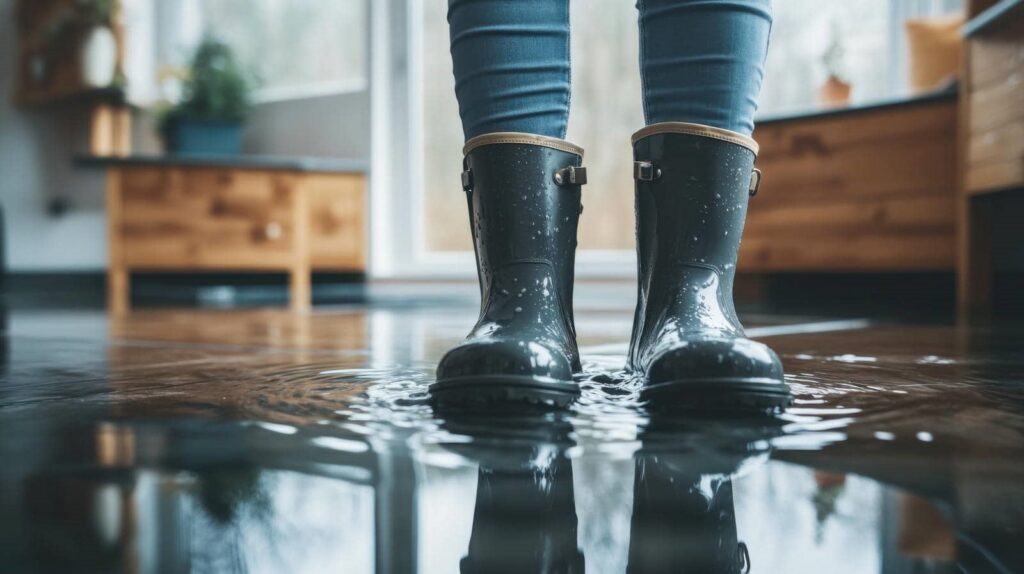
Imagine a family returning home after a flood, only to find mold creeping up the walls and structural damage lurking beneath the surface. It’s a scenario that highlights why using effective techniques for flood damage cleanup is essential. Proper methods not only safeguard your health and property but also foster a sense of security and community resilience. Understanding the right approaches can greatly impact your recovery journey, but where do you start?
Key Takeaways
- Effective techniques restore spaces quickly, enhancing peace of mind and reducing stress during recovery.
- Proper cleanup mitigates risks of mold growth and structural damage, ensuring long-term safety.
- Timely action saves money by preventing extensive repairs and lowering potential health-related expenses.
- Utilizing the right tools improves efficiency, making the cleanup process more effective and thorough.
- Professional assistance may be necessary to address health hazards and ensure a safe environment.
Why Flood Damage Cleanup Techniques Matter
Flood damage cleanup techniques are essential for restoring not just physical spaces but also peace of mind. When you face the aftermath of flooding, effective flood restoration methods become vital.
You need to address moisture control promptly to prevent further damage and health risks. Utilizing these techniques helps you reclaim your environment, ensuring it’s safe and livable.
It’s not just about removing water; it’s about understanding how to mitigate lingering effects that can impact your well-being. By employing structured cleanup strategies, you foster a sense of community resilience, knowing you’re taking proactive steps.
Key Steps for Effective Flood Damage Cleanup
After addressing the immediate impacts of flooding, knowing the key steps for effective cleanup can greatly influence the restoration process.
Start by evaluating the damage and prioritizing safety. Next, implement drainage solutions to remove standing water, which is essential for preventing further issues.
Once the area is dry, focus on moisture control to inhibit mold growth. Use dehumidifiers and fans to maintain ideal humidity levels.
Don’t forget to document the damage for insurance purposes.
As you work through these steps, remember that connecting with others who’ve faced similar challenges can provide support and insights.
Embracing these actions not only restores your space but also fosters a sense of community and resilience.
Avoid These Common Flood Cleanup Mistakes
While tackling flood cleanup, it’s easy to overlook essential steps that could lead to greater issues down the line. One common mistake is believing in cleaning misconceptions, like assuming that a simple rinse will suffice. Mold can develop quickly, so thorough drying and sanitizing are vital.
Another pitfall involves ignoring restoration myths, such as the idea that all damaged items can be easily restored. Some materials, like carpets and drywall, may need to be discarded to prevent long-term damage.
You might feel overwhelmed, but remember that taking the time to research best practices can save you from costly repairs later. By avoiding these mistakes, you’ll guarantee a safer, more effective cleanup process that fosters a sense of community and support.
Choosing the Right Tools for Flood Damage Cleanup
When tackling flood damage cleanup, having the right tools is vital for efficiency and safety.
You’ll need essential equipment like wet vacuums and dehumidifiers, but don’t underestimate the importance of safety gear to protect yourself from hazards.
Choosing wisely not only speeds up the process but also guarantees you stay safe throughout the cleanup.
Essential Cleanup Equipment
Flood damage cleanup requires the right tools to effectively restore your space and minimize long-term effects. Knowing the essential cleanup equipment types can make a significant difference.
Start with a wet/dry vacuum for water removal, and consider industrial fans and dehumidifiers to tackle moisture. These tools not only speed up the drying process but also help prevent mold growth.
Don’t overlook basic items like mops, buckets, and squeegees; they’re crucial for thorough cleaning. For debris removal, a sturdy shovel and trash bags are necessary.
By choosing the right tools, you create an efficient cleanup process, ensuring your environment is safe and welcoming once again.
Safety Gear Importance
Choosing the right safety gear is essential in flood damage cleanup, as it protects you from various hazards that may lurk in the aftermath.
Using appropriate protective equipment not only guarantees your safety but also helps you feel part of a community working towards recovery.
Here are four key items to keep in mind:
- Rubber Boots: Keep your feet dry and shielded from contaminants.
- Gloves: Protect your hands from sharp objects and chemicals.
- Goggles: Safeguard your eyes from debris and irritants.
- Masks: Filter out harmful particles and prevent respiratory issues.
Investing in the right safety gear makes you a responsible participant in the cleanup process, fostering a sense of belonging and shared purpose in your community’s recovery.
When to Call in Professionals for Flood Cleanup?
When you’re facing severe damage from flooding, it’s essential to recognize when to call in professionals.
If you notice health hazards, like mold or contaminated water, or if the cleanup is extensive, don’t hesitate to seek help.
Professionals can guarantee a thorough and safe recovery, protecting your home and health.
Signs of Severe Damage
Severe damage from water intrusion can manifest in various ways, and recognizing these signs is essential for effective remediation. If you notice any of the following flood indicators, it’s time to call in professionals for a thorough damage assessment:
Mold Growth: Visible mold or a musty odor indicates prolonged moisture.
Structural Damage: Cracks in walls or ceilings can signal serious issues.
Warped Flooring: Buckling or sagging floors may mean underlying water damage.
Electrical Issues: Flickering lights or exposed wires pose significant safety risks.
Addressing these signs promptly not only protects your home but also fosters a sense of security within your community.
Don’t hesitate getting help guarantees a safer, healthier environment for you and your loved ones.
Health Hazards Present
Flooding not only damages property but also poses significant health risks that can linger long after the waters recede. Standing water often carries contaminants, leading to exposure to harmful bacteria and viruses.
Even if you think you can handle the cleanup yourself, the threat of mold growth is a serious concern. Mold can begin to develop within 24-48 hours, creating respiratory issues and allergic reactions.
If you notice a persistent musty smell or see signs of mold, it’s time to call in professionals. They’ve the expertise to safely remove contaminated water and prevent further health hazards.
Your well-being is paramount, and addressing these risks promptly guarantees a safer environment for you and your loved ones.
Extensive Cleanup Required
In situations where extensive cleanup is needed, it’s vital to recognize the signs that indicate professional help is warranted.
If you’re facing significant cleanup challenges, consider these indicators:
Extensive Damage: If your property has sustained severe structural damage, it’s important to call experts.
Mold Growth: If mold appears within 24-48 hours, it’s time to seek professional assistance.
Water Contamination: If the floodwater is contaminated, specialized equipment and knowledge are necessary.
Emotional Toll: If the emotional burden feels overwhelming, professionals can help ease the stress.
Addressing these issues promptly not only protects your home but also your well-being.
You don’t have to navigate this alone; reaching out for help can foster a sense of community and support.
Long-Term Benefits of Effective Flood Damage Cleanup Techniques
When you effectively implement flood damage cleanup techniques, you not only restore your property but also safeguard your long-term well-being.
Prioritizing long-term restoration means you’re investing in a healthier environment for yourself and your community. By adopting sustainable practices during cleanup, you minimize future risks and promote resilience against potential flooding.
This proactive approach not only preserves your property but also fosters a sense of belonging, as you contribute to the safety and stability of those around you.
Plus, effective cleanup reduces the chances of mold and structural damage, ultimately saving you time and money in the long run.
Embracing these techniques empowers you to create a safe haven for yourself and your loved ones, ensuring peace of mind.
Frequently Asked Questions
How Can I Prevent Mold Growth After Flooding?
To prevent mold growth after flooding, implement mold prevention strategies like thorough drying and ventilation. Use moisture control techniques, such as dehumidifiers, to maintain low humidity and create a healthier environment for everyone involved.
What Are the Health Risks Associated With Floodwater?
Floodwater can expose you to harmful contaminants, leading to immediate health issues like gastrointestinal illnesses and skin infections. Long-term effects may include respiratory problems and chronic conditions, making it essential to handle floodwater carefully and seek assistance.
Can I Reuse Damaged Furniture After Cleanup?
You can reuse damaged furniture after cleanup, but it requires careful furniture restoration and appropriate salvage techniques. For instance, a family successfully restored their waterlogged dining table, creating cherished memories while preserving their connection to the past.
How Do I File an Insurance Claim for Flood Damage?
To file your insurance claim for flood damage, gather documentation of the damage and review your insurance coverage. Then, initiate the claim process by contacting your insurer and submitting the required forms and evidence.
What Should I Do With Contaminated Items?
Don’t hesitate to dispose of contaminated items properly; they can pose serious health risks. Use safe disposal methods like contacting local waste facilities or professionals who specialize in hazardous materials to guarantee everyone’s safety.
To Sum Up
Employing effective techniques for flood damage cleanup not only safeguards your space but also supports your spirit. By tackling the turmoil with thoroughness, you can prevent persistent problems like mold and structural issues. Remember, being proactive and precise in your approach fosters a faster recovery and a brighter future. So, take charge, choose wisely, and guarantee your environment heals holistically, helping you rebuild with resilience and renewed confidence.