
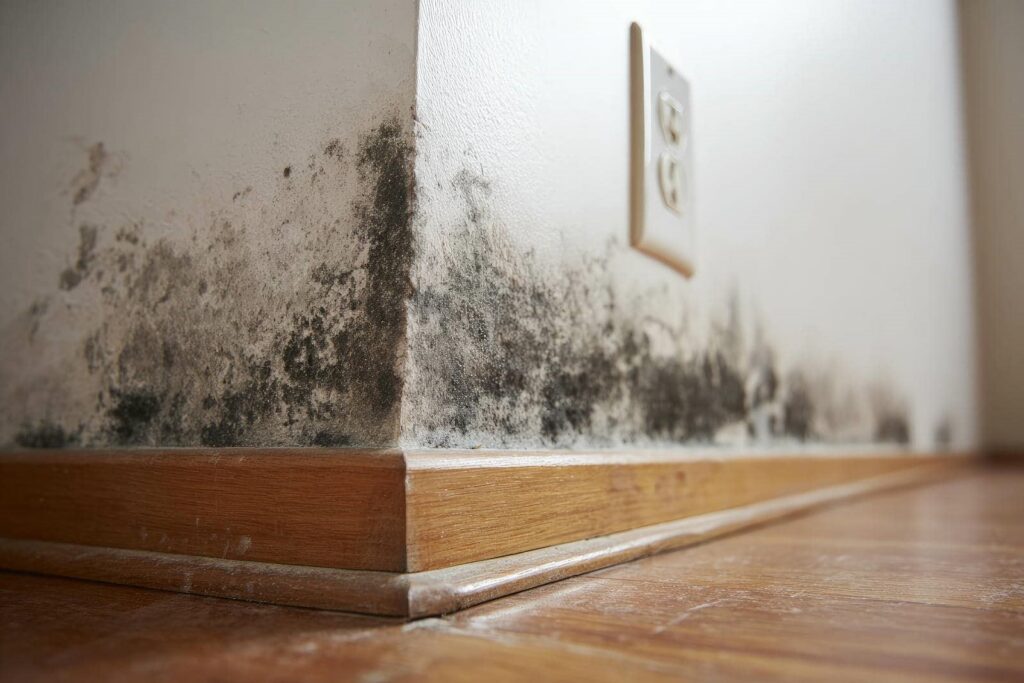
Mold can take over your home faster than you think, turning a minor leak into a major health hazard. To combat this, you need to focus on three essential techniques for effective mold remediation. First, you’ll want to control moisture levels, then clean surfaces meticulously, and finally, seal off affected areas. Understanding these steps is vital for ensuring a safe environment. But what specific methods can you employ to tackle each of these challenges?
Key Takeaways
- Identify and Address Moisture Sources: Eliminate leaks and sources of water intrusion before starting mold remediation to prevent further growth.
- HEPA Vacuuming: Use HEPA filters to vacuum affected areas, removing mold spores and preventing their spread during the cleanup process.
- Antifungal Solutions: Apply antifungal treatments to contaminated surfaces, following manufacturer instructions for effective mold eradication.
- Seal and Contain Areas: Isolate contaminated zones to prevent spores from spreading during the remediation process, ensuring a thorough cleanup.
- Post-Remediation Monitoring: Regularly check humidity levels and inspect for new mold growth to maintain a mold-free environment after remediation.
How to Identify and Assess Mold Infestation?
How can you effectively identify and assess mold infestation in your home? Start by understanding common mold types, like black mold and Aspergillus, which can greatly impact indoor air quality.
Use thorough inspection methods, such as visual checks for discoloration on walls and ceilings, and musty odor detection.
Don’t forget to inspect hidden areas like behind appliances and under sinks, as moisture often accumulates there.
Employ moisture meters to measure humidity levels; high readings can indicate potential mold growth.
If you suspect a serious infestation, consider hiring a professional for air quality testing.
Being proactive in identification allows you to tackle mold problems before they escalate, ensuring a healthier living environment for you and your family.
Understanding the Health Risks of Mold Exposure
Mold exposure can lead to a range of health issues, with symptoms varying in severity among individuals. Understanding these risks is essential for your well-being.
Here are three key health concerns to take into account:
- Mold Allergies: Many people experience allergy-like symptoms, including sneezing, runny nose, and itchy eyes when exposed to mold.
- Respiratory Issues: Prolonged exposure can aggravate asthma and lead to coughing, wheezing, or shortness of breath, especially in sensitive individuals.
- Infections: People with weakened immune systems may face serious infections due to mold exposure, which can complicate existing health conditions.
Recognizing these risks helps you take proactive steps to protect yourself and your loved ones from the dangers of mold.
Proven Techniques for Effective Mold Removal
Addressing mold-related health risks necessitates effective removal techniques to guarantee a safe environment.
Start by identifying biological factors that contribute to mold growth, such as moisture and organic materials. Use remediation methods like HEPA vacuuming to eliminate spores from surfaces. Seal contaminated areas to prevent the spread of spores during cleanup.
Employ antifungal solutions to treat affected surfaces, ensuring you follow manufacturer guidelines for safety. After removal, monitor humidity levels to prevent recurrence.
Consider using dehumidifiers or improving ventilation in damp areas. Regular inspections will help you catch any early signs of mold growth, allowing for timely intervention.
Frequently Asked Questions
How Long Does Mold Remediation Typically Take?
Mold remediation typically takes 1 to 7 days, depending on the extent of mold growth and the remediation timeline. Factors like the area affected and the drying process can influence the overall duration.
Can I Stay in My Home During Remediation?
You shouldn’t stay in your home during remediation. Mold exposure poses serious health risks, and remediation safety requires a controlled environment. Consider temporary housing to guarantee your well-being while professionals tackle the hazardous mold problem effectively.
What Tools Are Necessary for Mold Remediation?
You’ll need tools like HEPA vacuums, mold-killing solutions, protective gear, and moisture meters. These mold removal techniques and preventive measures help guarantee safety and effectiveness while tackling mold issues in your home efficiently.
How Much Does Professional Mold Remediation Cost?
Professional mold remediation costs can range from $500 to $6,000, depending on severity. While DIY remediation expenses might seem appealing, you’ll soon discover that “doing it yourself” often leads to expensive mold inspection costs later.
Will Homeowners Insurance Cover Mold Remediation Expenses?
Homeowners insurance may cover mold remediation costs, but it depends on your specific insurance policy coverage. To enhance protection, follow mold prevention tips, ensuring you’re better prepared for potential claims related to water damage.
Review
Tackling mold after water damage is like battling a persistent shadow. By swiftly controlling moisture, effectively cleaning surfaces, and sealing off contaminated areas, you can reclaim your space and protect your health. Remember, addressing mold isn’t just about removal; it’s about creating a resilient environment that stands strong against future infestations. Stay vigilant and proactive, ensuring your home remains a safe haven for you and your loved ones.