
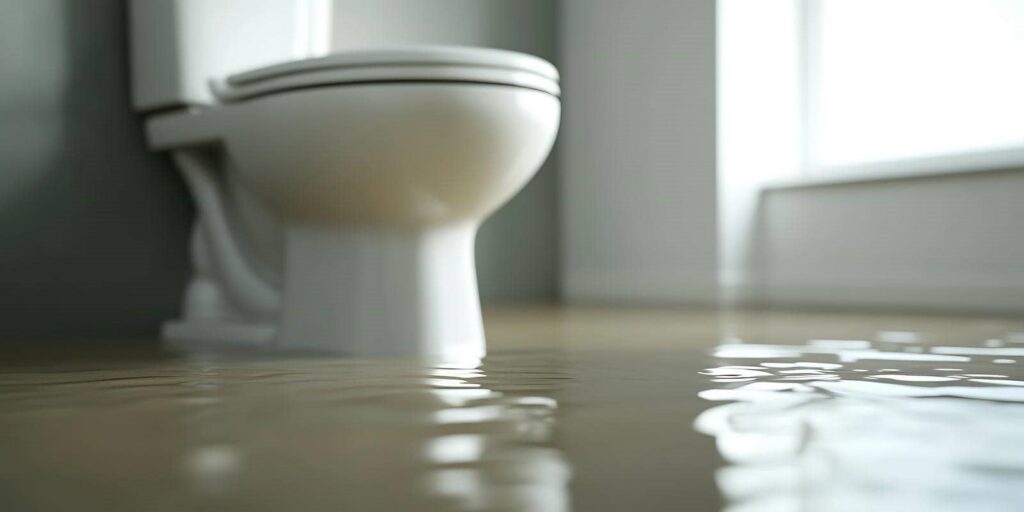
When faced with a sewage backup, your immediate response can greatly affect safety and effectiveness. First, you’ll need to assess the sewage cleanup situation, identifying the extent of contamination and gathering the right supplies. Wearing protective gear is non-negotiable. As you contain the area, consider the best practices for disposal and decontamination. Understanding these essential steps can prevent further complications, but knowing when to involve professionals is equally important. What comes next could determine the outcome of your cleanup.
Key Takeaways
- Wear protective gear, including gloves and masks, to safeguard against harmful pathogens during sewage cleanup.
- Shut off the water supply and seal off affected areas to contain contamination effectively.
- Use EPA-approved disinfectants after cleaning surfaces with soap and water to ensure thorough sanitation.
- Document signs of sewage issues and assess severity to guide your cleanup approach.
- Call professionals for extensive contamination, persistent odors, or if safety concerns arise during the cleanup process.
How to Assess the Severity of Sewage Backup?
When you encounter a sewage backup, evaluating its severity is essential for determining your next steps.
Start by identifying sewage backup signs like foul odors, slow drains, or water pooling in unusual areas. These indicators can reveal the extent of the issue.
Next, assess the affected area: is it confined to a small bathroom, or has it spread throughout your home? Pay attention to the type of sewage involved, as black water poses a greater health risk than gray water.
Additionally, consider how long the backup has persisted; longer durations typically indicate a more severe problem.
Gather Essential Cleanup Supplies for Sewage Emergencies
When facing a sewage emergency, having the right supplies on hand is essential for effective cleanup.
You need to prioritize protective gear, like gloves and masks, to safeguard yourself from harmful contaminants.
Additionally, a well-structured cleaning tools checklist will guarantee you tackle the situation efficiently and safely.
Protective Gear Essentials
In sewage emergencies, having the right protective gear is essential for your safety and well-being. Start by wearing heavy-duty gloves made of nitrile or latex to shield your hands from harmful pathogens.
A good-quality face mask or respirator protects you from inhaling toxic particles. Rubber boots are critical; they prevent contact with contaminated water and provide a secure footing. Additionally, consider wearing protective eyewear to guard against splashes.
Following safety protocols is important; make sure your gear fits well and is in good condition. Remember, your health must come first during these situations.
Cleaning Tools Checklist
A thorough cleanup after a sewage emergency requires at least five essential tools to effectively manage the situation.
First, gather heavy-duty gloves and boots to protect yourself.
Next, a reliable shop vacuum is vital for suctioning up liquids and debris.
You’ll also need buckets for transporting waste and a strong mop for scrubbing surfaces.
Don’t forget sanitation products like disinfectants and enzyme cleaners to eliminate harmful bacteria.
Finally, invest in a respirator to safeguard your lungs from unpleasant odors and airborne pathogens.
Wear Protective Gear for Sewage Cleanup
Before tackling sewage cleanup, it’s essential to equip yourself with the right protective gear. Proper safety protocols can minimize your risk of exposure to harmful pathogens.
Start with a thorough hazard assessment to identify potential dangers. Here’s what you’ll need:
- Rubber gloves: Protects your hands from contaminants.
- N95 respirator: Shields against airborne pathogens and odors.
- Protective eyewear: Prevents splashes from reaching your eyes.
- Waterproof boots: Keeps your feet safe and dry.
How to Contain Sewage to Prevent Spreading?
To contain sewage and prevent it from spreading, you’ll need to act quickly and strategically.
Start by using protective barriers to isolate the affected area, then shut off the water supply to minimize further contamination.
Finally, seal off any entrances to keep the sewage contained while you address the cleanup.
Use Protective Barriers
Effective containment of sewage spills is essential in preventing further contamination. By using protective barriers, you can limit the spread of hazardous materials and guarantee a safer environment.
Here are some effective barrier types you should consider:
- Sandbags: These can absorb water and create a temporary barrier.
- Plastic Sheeting: Effective for sealing off contaminated areas.
- Dikes: Constructed to redirect sewage flow and contain spills.
- Absorbent Materials: Quick to deploy, helping to soak up smaller spills.
Implementing these sanitation measures not only protects your property but also safeguards public health.
Always assess the situation carefully and choose the right barrier type to effectively contain the sewage, preventing it from spreading to uncontaminated areas.
Shut Off Water Supply
When a sewage spill occurs, shutting off the water supply is essential for containing the contamination and preventing it from spreading.
Start by locating your main water valve, usually found near your water meter or where the main line enters your home. Turning off the water supply halts additional flow, which is critical during the initial emergency procedures.
Once the water is off, you can focus on evaluating the extent of the spill and implementing further cleanup measures. This action not only protects your property but also helps safeguard your community by minimizing the risk of sewage contamination.
Seal Off Affected Areas
Immediately sealing off affected areas is crucial for containing sewage and preventing its spread throughout your home. By doing so, you not only minimize sewage odors but also reduce health risks associated with exposure.
Here’s how to effectively seal off these areas:
- Close doors and windows to limit airflow.
- Use plastic sheeting to cover entrances and vents.
- Turn off HVAC systems to prevent contamination spread.
- Place wet towels at the base of doors to block odors.
Taking these steps guarantees that you contain the problem and protect your family from harmful bacteria and pathogens.
Best Practices for Sewage Cleanup Disposal
Proper sewage cleanup disposal is vital not only for health reasons but also for environmental protection. When dealing with sewage, you must choose appropriate sewage disposal methods.
Start by identifying the waste type; some may be considered hazardous. For hazardous waste management, contact local authorities to guarantee compliance with regulations.
It’s important to wear protective gear and use specific containers designed for hazardous materials. Never dispose of sewage in regular trash or down drains unless permitted.
If possible, enlist professional services equipped for safe disposal and cleanup. They’ve the expertise and resources to handle toxic waste effectively.
Following best practices not only safeguards your health but also respects the community and environment, fostering a sense of responsibility and belonging.
How to Decontaminate and Disinfect After Sewage Backup?
Sewage backups can pose serious health risks, so effective decontamination and disinfection are essential.
Start by evaluating the affected area and gathering your materials. Here are some key steps to follow:
- Use appropriate decontamination methods: Clean surfaces with soap and water before applying disinfectants.
- Select suitable disinfectant options: Look for EPA-approved products effective against pathogens.
- Protect yourself: Wear gloves, masks, and goggles to prevent exposure.
- Ensure thorough drying: Moisture can lead to mold growth, so ventilate the area well.
After cleaning, monitor the space for lingering odors or signs of contamination.
It’s crucial to maintain a safe environment for you and your loved ones. Proper decontamination not only protects health but also restores comfort in your home.
How to Know When to Call Professionals?
When should you consider bringing in professionals for sewage cleanup? If you’re facing a significant sewage backup, it’s essential to assess the situation carefully.
If the contaminated area exceeds 10 square feet or if sewage has infiltrated your walls or flooring, you likely need emergency response services.
Also, if you’re unsure about the safety of handling sewage or lack proper protective equipment, it’s time to call for professional services.
Persistent odors, visible mold, or health symptoms in your household can indicate deeper issues that require expert intervention.
Remember, professional teams have the training and equipment to handle hazardous materials safely, ensuring your home returns to a healthy state efficiently.
Don’t hesitate to reach out for help when you need it.
Tips for Preventing Future Sewage Backups
To prevent future sewage backups, it’s important to understand and maintain your plumbing system. Regular attention can save you from costly repairs and discomfort.
Here are some vital tips:
- Schedule regular plumbing inspections****: Catch potential issues early before they escalate.
- Practice proper drain maintenance**: Avoid flushing non-biodegradable items** and use drain screens to minimize clogs.
- Be mindful of what goes down the sink: Grease and food particles can lead to buildup over time.
- Know your plumbing layout****: Understanding your system helps you identify problems faster and communicate effectively with professionals.
Taking these proactive steps guarantees your plumbing remains in good condition, fostering a community of responsible homeowners dedicated to maintaining a safe living environment.
Frequently Asked Questions
Can I Use Regular Cleaning Products for Sewage Cleanup?
You shouldn’t use regular cleaning products for sewage cleanup. They often lack necessary sewage safety measures. Instead, opt for specialized cleaning techniques and disinfectants designed to effectively handle contaminated water and protect your health.
How Long Does It Take for Sewage to Dry Completely?
Sewage can take several days to dry completely, depending on factors like temperature, humidity, and ventilation. Generally, you can estimate drying time between 24 to 72 hours, but always monitor conditions for best results.
What Are the Health Risks Associated With Sewage Exposure?
Sewage contamination poses serious health risks, including infections and respiratory issues. You should always take health precautions, like wearing protective gear and ensuring proper ventilation, to minimize exposure and protect your well-being during cleanup efforts.
Can Pets Be Affected by Sewage Backups?
Sure, your pets just love a good sewage backup experience, right? Seriously, sewage exposure can cause severe pet health issues. Watch for sewage symptoms like vomiting or lethargy; your furry friends deserve better than that.
What Should I Do if Sewage Gets Into My Yard?
If sewage gets into your yard, contain it immediately to prevent further spread. Prioritize yard sanitation by wearing protective gear, isolating the area, and contacting professionals to guarantee thorough cleanup and safe restoration of your yard.
Wrap-Up
Handling a sewage emergency requires prompt action and safety precautions. Did you know that nearly 1 in 10 U.S. homes experience a sewage backup at some point? By evaluating the situation, wearing protective gear, and properly containing the area, you can minimize health risks. Remember, if the contamination is extensive or doesn’t clear up, don’t hesitate to call in professionals. Taking proactive steps now can save you from costly damages and future headaches.