
Flooding can strike unexpectedly, leaving devastation in its wake. When faced with such a situation, knowing the right flood cleanup steps can make all the difference. You need to act swiftly and safely to minimize damage and protect your health. From evaluating safety hazards to documenting damages for insurance, each step is essential. Are you prepared to tackle the challenges ahead and restore your space effectively?
Key Takeaways
Conduct a safety assessment to identify immediate dangers and ensure personal safety before starting cleanup efforts.
Remove standing water using pumps or vacuums, wearing protective gear to prevent health risks.
Document all damage with photographs and detailed notes for insurance claims and repairs.
Identify and safely dispose of hazardous materials, such as chemicals and batteries, following local guidelines.
Gather community support and resources to enhance cleanup efforts and promote a sense of collective resilience.
What to Do First After a Flood: Assess Safety
After a flood, the first step is to assess your safety and that of others. Check for any immediate dangers, like downed power lines or unstable structures. Follow safety protocols to ensure you’re out of harm’s way.
If you’re with others, encourage them to stay calm and stick together. Once you’ve confirmed everyone’s safe, reach out to your emergency contacts. This could include family members, neighbors, or local authorities who can provide assistance.
Keep your phone handy and charged, as communication is essential during this time. Remember, you’re not alone—many people are ready to help.
Quick and Safe Flood Cleanup: Remove Standing Water
Removing standing water quickly is essential to prevent further damage and health risks. Start your flood cleanup by using effective standing water removal techniques. If it’s safe, use a submersible pump or wet/dry vacuum to extract the water.
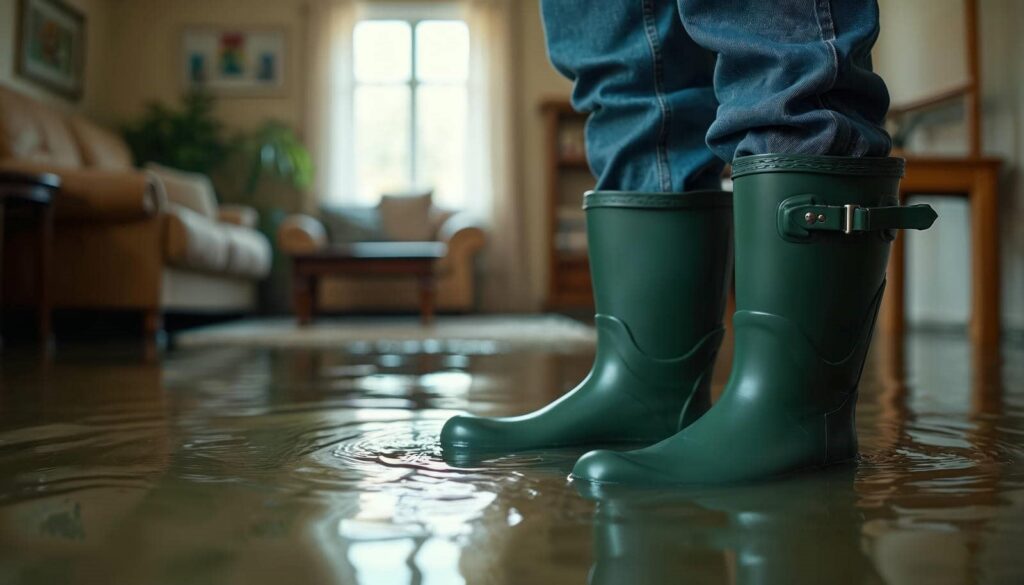
Make sure you wear protective gear like gloves and boots to keep yourself safe from contaminants. If the water’s deep, consider enlisting help from professionals.
Once you’ve removed as much water as possible, ventilate the area by opening windows and using fans. This helps reduce moisture and prevent mold growth.
Check for Structural Damage and Weaknesses
As you assess the aftermath of the flood, it’s essential to check for structural damage and weaknesses in your home. Start by examining walls, ceilings, and floors for cracks or sagging, which can indicate compromised structural integrity.
Don’t forget to inspect the foundation and any supporting beams. If you notice any issues, it’s vital to address them immediately to maintain your home’s safety and stability.
Consider consulting a professional if you’re unsure about the extent of the damage. Strengthening your home now can improve its flood resilience for the future.
Gather Cleanup Supplies
Once you’ve checked for structural damage, it’s time to gather cleanup supplies. This step is essential for ensuring you can effectively tackle the aftermath of flooding.
Start by assembling your cleanup kits, which should include all the essentials you might need.
Here are a few key items to keep in mind:
- Protective gear: gloves, masks, and boots
- Cleaning agents: disinfectants and detergents
- Drying equipment: fans and dehumidifiers
Look for reliable supply sources, whether local hardware stores or community centers offering assistance.
Connecting with neighbors can help you find what you need more quickly. Remember, you’re not alone in this; reaching out can foster a sense of belonging and support during this challenging time.
Document Damage for Insurance
To ensure you receive the compensation you deserve, it’s important to document all damage caused by the flood. Start with a thorough damage assessment of your property.
Take clear photographs of affected areas, including walls, floors, and belongings. Make notes detailing the extent of the damage and any loss of personal items. This information will be vital for your insurance claims.
Collect repair estimates and keep receipts for any emergency measures you take. Don’t forget to note the date and time of the flood, as this can support your claims process.
Remember, being organized and detailed in your documentation can make a significant difference in how quickly and effectively your insurance claim is processed.
You’re not alone in this; many are dealing with similar challenges.
Best Methods to Dry Out Post-Flood Areas
After a flood, drying out your home quickly is essential to prevent further damage and mold growth. Here are some effective methods to help you:
Use a Dehumidifier: This will lower humidity levels and speed up drying.
Increase Air Circulation: Open windows and use fans to promote airflow, helping moisture evaporate faster.
Remove Wet Items: Take out soaked carpets, furniture, and other belongings to aid drying.
Combining dehumidifier usage with good air circulation creates a more effective drying environment.
Be sure to monitor humidity levels regularly, aiming for a balanced atmosphere.
Remember, the quicker you act, the less likely you’ll face long-term issues.
You’re not alone in this; many have navigated similar challenges and emerged stronger.
Effective Cleaning and Sanitizing Techniques Post-Flood
While dealing with the aftermath of a flood can be overwhelming, effective cleaning and sanitizing are essential for restoring your home and protecting your health.
Start by wearing protective gear, including gloves and masks, to safeguard yourself from contaminants. Use a mixture of water and soap to scrub surfaces, followed by a solution of one cup of bleach to five gallons of water for sanitizing.
This step is vital for mold prevention, as mold can develop rapidly in damp conditions. Focus on areas that were submerged, ensuring you thoroughly clean walls, floors, and any porous materials.
Restore and Replace Damaged Items
Evaluating the damage to your belongings is essential in the aftermath of a flood. Start by appraising what can be salvaged and what needs replacement. Here are some key considerations:
Furniture restoration: Look for professional services that can bring your cherished pieces back to life.
Sentimental items: Prioritize these; even if they’re damaged, some may be worth restoring or preserving.
Replacement options: Consider the emotional value of items as you decide what to replace.
Document everything for insurance claims, and don’t hesitate to reach out for help.
How to Prevent Future Flooding?
To effectively prevent future flooding, it’s essential to assess your property’s vulnerabilities and take proactive measures.
Start by improving your drainage systems; make certain they’re clear and working efficiently. Consider landscape design that redirects water away from your home, using native vegetation choices to absorb excess rain.
Installing flood barriers can also provide an extra layer of protection. Engage in community planning efforts to bolster water management across your neighborhood, advocating for sensible zoning regulations that minimize flood risks.
Finally, prioritize emergency preparedness by having a clear action plan in place.
Final Checklist for Flood Cleanup
As you wrap up your flood cleanup, it’s vital to prioritize safety precautions to protect yourself and your loved ones.
Make certain you have the essential cleanup tools ready and understand the proper disposal methods for hazardous materials.
This final checklist will help ensure you navigate the aftermath effectively and safely.
Safety Precautions First
Before diving into flood cleanup, it’s essential to prioritize safety. Ensuring your well-being and that of your loved ones is vital as you tackle the aftermath.
Here’s a quick checklist to help you stay safe:
Wear appropriate safety gear: Boots, gloves, and masks protect you from contaminants.
Have emergency contacts handy: Keep numbers for local services, family, and friends easily accessible.
Assess the environment: Check for hazards like unstable structures or electrical issues before starting.
Essential Cleanup Tools
When tackling flood cleanup, having the right tools at your disposal can make all the difference. Start with essential cleaning equipment like water pumps to remove standing water quickly.
Don’t forget protective gear—safety goggles and gloves will keep you safe while you work. Moisture meters are vital for evaluating damp areas, and mold inhibitors can help prevent future issues.
Use disinfectant solutions to clean affected surfaces thoroughly, ensuring a healthy environment. Storage containers will help you organize and protect salvageable items.
By gathering these tools, you’re not just prepared; you’re taking proactive steps to restore your space and well-being.
Proper Disposal Methods
Once you’ve gathered your cleanup tools, it’s time to address proper disposal methods for flood-damaged materials. It’s essential to handle this responsibly to protect both your community and the environment.
Here are some key points to keep in mind:
Identify hazardous materials: Items like chemicals, batteries, and certain electronics require special disposal.
Explore waste recycling options: Check local facilities for recycling flood-damaged items like metals and plastics.
Follow local guidelines: Always adhere to your municipality’s disposal regulations to ensure safe, compliant cleanup.
Taking these steps helps keep you safe and fosters a sense of community responsibility.
You’re not alone in this; together, we can restore our spaces while caring for our environment.
Frequently Asked Questions
How Long Does It Take to Fully Restore a Flood-Damaged Home?
Restoring a flood-damaged home typically takes weeks to months. It starts with a damage assessment, which influences the restoration timeline. You’ll feel more secure knowing professionals are guiding you through each step of recovery.
What Health Risks Are Associated With Floodwater Exposure?
Floodwater exposure can pose serious health risks, including infections and contaminants. You should take health precautions like wearing protective gear and avoiding contact with water to keep yourself safe and minimize potential health issues.
Are There Specific Safety Gear Recommendations for Flood Cleanup?
When it comes to flood cleanup, you’ll want to suit up. Wear safety equipment like waterproof boots, gloves, and protective clothing. It’s better to be safe than sorry as you tackle this challenging task together.
How Can I Find Professional Flood Cleanup Services?
To find professional flood restoration services, search online for local companies. Check reviews and ask for recommendations from friends. Your insurance claims might cover costs, so consult your policy for coverage details before hiring.
What Should I Do With Contaminated Food After a Flood?
After a flood, food can be contaminated. Assess contamination carefully; dispose of anything touched by floodwaters. Ensure safety by following local guidelines for food disposal and keeping your family’s health as a priority.
Wrap-Up
As you navigate the aftermath of a flood, remember that each step you take is a brick in the foundation of recovery. By evaluating safety, documenting damage, and gathering resources, you’re not just cleaning up; you’re rebuilding hope. Embrace community support and share your strength, for together, you can transform despair into resilience. Floods may wash away the past, but they can’t drown your determination to rise again. Stay safe, stay strong, and keep moving forward.