
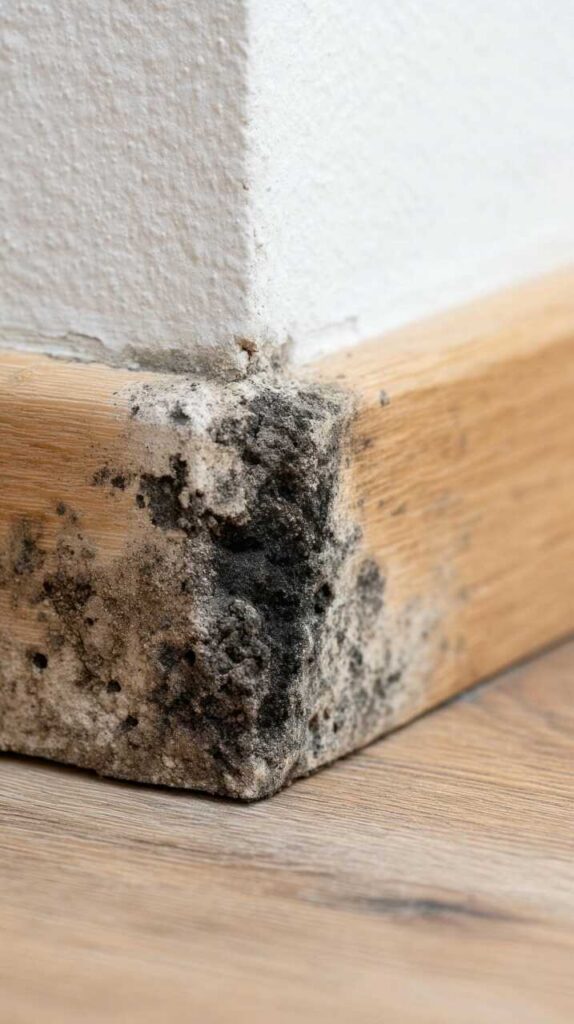
When dealing with mold, understanding effective mold remediation techniques is vital for your health and property. You need to recognize the types of mold and their risks, followed by proven methods for removal. It’s not just about cleaning; it’s about ensuring long-term prevention. Knowing when to tackle the issue yourself and when to call in professionals can make all the difference. Let’s explore these essential techniques to safeguard your environment effectively.
Key Takeaways
- Conduct thorough mold testing to identify the type and extent of contamination before remediation begins.
- Use appropriate cleaning agents to scrub affected surfaces while wearing protective gear.
- Ensure proper ventilation during the drying process to prevent mold regrowth.
- Dispose of contaminated materials responsibly to prevent further contamination and spread.
- Regularly monitor humidity levels and maintain a dry environment to prevent future mold growth.
Why Mold Remediation Matters
Mold remediation is essential for maintaining a healthy indoor environment. When mold takes hold, it can compromise indoor air quality, leading to various health issues.
You mightn’t realize that mold health impacts everyone in your space, from family members to pets. Breathing in mold spores can trigger allergies, asthma, and respiratory problems, making it vital to address mold infestations promptly.
Effective remediation techniques not only eliminate existing mold but also prevent future growth by controlling moisture levels. By investing in proper mold remediation, you’re safeguarding the well-being of your loved ones and creating a safe, welcoming environment.
Recognizing Dangerous Mold Types and Their Health Risks
Although many types of mold exist, not all pose a significant threat to health. However, certain varieties, like black mold, can be particularly dangerous.
Toxic mold produces mycotoxins that may lead to serious health symptoms, including respiratory issues and allergic reactions. It’s essential to prioritize mold identification in your home or workplace, as early detection can prevent exposure to harmful spores.
If you notice a musty odor or visible mold growth, don’t ignore it. Symptoms such as coughing, sneezing, or skin irritation can indicate a problem.
Understanding these risks empowers you to take action, ensuring your space remains safe and healthy. Stay vigilant and informed to protect yourself and those around you from the dangers of toxic mold.
Proven Techniques for Effective Mold Remediation
When you’re faced with mold growth, implementing effective remediation techniques is essential for restoring a safe environment.
Start with mold testing to identify the specific type and extent of the contamination. This step guides your approach, ensuring you’re addressing the problem accurately.
Next, focus on surface cleaning; use appropriate cleaning agents like soap and water or commercial mold removers. Scrub the affected areas thoroughly, and don’t forget to wear protective gear to safeguard your health.
After cleaning, ensure proper ventilation to facilitate drying, as moisture can lead to regrowth.
Finally, dispose of contaminated materials responsibly to prevent further spread.
How to Prevent Future Mold Growth
To effectively prevent future mold growth, you must maintain a dry environment by controlling humidity levels throughout your home. Aim for indoor humidity below 60% by using dehumidifiers, especially in damp areas like basements and bathrooms.
Regularly check and repair leaks in plumbing and roofs, as these can create moisture pockets.
Ventilation improvement is essential; ensure proper airflow by installing exhaust fans in kitchens and bathrooms. Open windows when the weather permits, and consider using air purifiers with HEPA filters to reduce airborne spores.
Additionally, clean and maintain gutters to prevent water accumulation near your foundation. By addressing these factors, you’ll create an inhospitable environment for mold, safeguarding your home and fostering a healthier living space for you and your loved ones.
When to Call in the Experts for Mold Issues?
Maintaining a dry environment greatly reduces the chances of mold growth, but sometimes issues arise that go beyond basic prevention efforts.
If you encounter persistent mold problems, it’s vital to know when to call in the experts. Here are three key scenarios:
Extensive Growth: If you see mold covering more than 10 square feet, a professional mold inspection is essential.
Health Concerns: If you or your family experience respiratory issues or allergic reactions, a detailed mold assessment can identify hidden hazards.
Water Damage: After significant leaks or flooding, immediate expert intervention can prevent long-term mold infestations.
Recognizing these situations can save you time, money, and health risks, ensuring your environment remains safe and mold-free.
Frequently Asked Questions
How Long Does the Mold Remediation Process Typically Take?
Mold remediation typically takes one to five days, depending on mold growth severity and the affected area size. Your remediation timeline can vary based on materials, containment measures, and thoroughness of the cleaning process.
What Is the Cost Range for Professional Mold Remediation?
Like a hidden leak, mold remediation costs can vary widely. Typically, you’re looking at $500 to $6,000. Factors include mold inspection costs, severity, and the remediation method chosen, influencing overall pricing considerably.
Can I Stay in My Home During Remediation?
You can stay during remediation, but it’s wise to contemplate temporary relocation options if you’re experiencing mold exposure symptoms. The process can stir up spores, potentially worsening your health or discomfort while work occurs.
Are DIY Mold Removal Products Effective?
DIY mold removal products can be effective against mold spores, but their success often depends on the extent of the infestation. For serious issues, professional solutions might be necessary to ensure complete removal and safety.
What Insurance Covers Mold Remediation Expenses?
Think of mold coverage as a safety net in a storm. Many insurance policies offer mold remediation expenses, but check your specific policy. Typical homeowners’ insurance may cover it, while others might exclude mold damage altogether.
Wrap-Up
In the battle against mold, it’s true that “an ounce of prevention is worth a pound of cure.” By understanding and implementing professional mold remediation techniques, you eliminate current issues and safeguard your environment against future growth. Regular monitoring and moisture control are key. If you notice persistent mold problems, don’t hesitate to call in the experts. Taking swift action can protect your health and home, ensuring a safe space for you and your loved ones.