
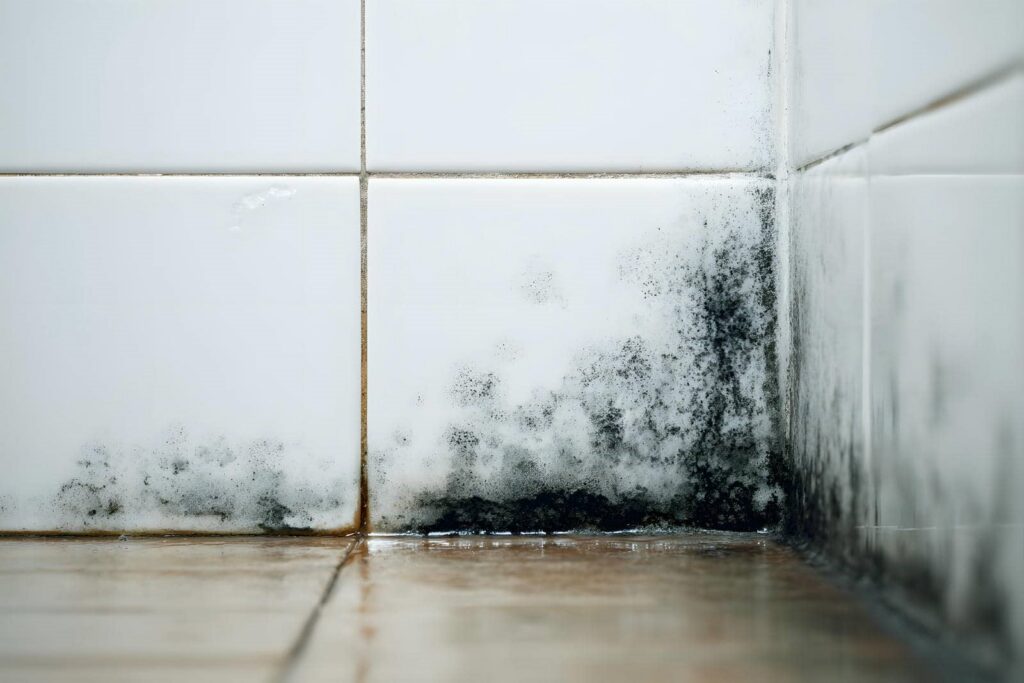
You may not know that mold can start colonizing damp materials within 24 to 48 hours after water damage. If you only dry visible surfaces, you can leave hidden moisture behind, and that’s where contamination persists. You need remediation that targets air quality, structural materials, and humidity control. Without it, the damage can spread quietly, and the next step matters more than most people expect.
Key Takeaways
- Mold can begin growing within 24 to 48 hours after water damage, so fast remediation is critical.
- Remediation protects indoor air quality and helps prevent respiratory problems, allergies, and other health issues.
- Hidden moisture in walls, floors, and insulation can fuel unseen mold growth and recurring contamination.
- Professional inspection and removal are more effective than cleanup alone because they address concealed damage and spores.
- Proper drying, ventilation, and humidity control below 60% help prevent mold from returning.
Why Mold Remediation Matters After Water Damage
After water damage, mold can begin growing in as little as 24 to 48 hours, making prompt remediation essential to protect both the structure and indoor air quality of your property.
You need remediation because moisture trapped in drywall, insulation, and framing can undermine materials and create hidden contamination. By removing affected components, drying thoroughly, and correcting the source, you reduce recurrence and support a safer environment for everyone inside.
Effective mold prevention strategies also help you control humidity, improve ventilation, and verify complete drying. This matters for health implications too, since mold exposure can aggravate respiratory symptoms, allergies, and irritation.
When you act quickly and systematically, you protect your property value and join a community of informed owners who don’t let damage linger.
How Fast Mold Can Grow After Flooding
After flooding, you can see mold begin to grow within 24 to 48 hours if moisture remains in place.
You need to remove water quickly because elevated humidity and damp materials accelerate spore activation and rapid colony expansion.
Hidden cavities, wall interiors, and subfloors often retain moisture longer, so they can drive growth before you notice it.
Mold Growth Within 24-48 Hours
Mold can begin colonizing damp building materials within 24 to 48 hours of flooding, especially when moisture remains trapped in drywall, insulation, carpeting, or wood.
You need to act quickly because this window leaves little margin for delay. Use rapid assessment strategies to identify affected areas, verify hidden moisture, and prioritize removal of wet materials.
Apply mold prevention techniques by drying surfaces promptly, isolating contaminated zones, and maintaining clean, controlled work conditions. You’ll protect your property and support everyone who lives or works there when you respond decisively.
Even small pockets of dampness can sustain early growth, so document conditions, inspect adjacent spaces, and schedule remediation without hesitation.
Fast action helps you stay in control and keeps your environment safer.
Moisture Triggers Rapid Spread
When moisture lingers, mold can spread fast enough to turn a localized wet area into a broader contamination problem within a day or two. You need rapid assessment to identify active moisture sources before spores colonize damp materials and raise indoor counts.
In your home or facility, a small leak, saturated carpet, or residual floodwater can keep feeding growth, even after surfaces look dry. You protect your environment by checking humidity, drying wet materials quickly, and removing water-damaged items that can’t be fully restored.
Acting early helps your team limit spread, reduce remediation scope, and maintain a healthier shared space. Once moisture persists, mold doesn’t wait; it uses the conditions you leave behind and expands with remarkable efficiency.
Hidden Areas Speed Growth
Floodwater often drives mold growth inside hidden cavities where you can’t see drying progress, such as wall voids, under flooring, inside insulation, and beneath baseboards.
You need to treat these zones as active risk points because hidden moisture can remain long after surfaces feel dry. Within 24 to 48 hours, spores can colonize damp materials and spread through shared air paths.
- Inspect concealed spaces first.
- Use meters and thermal imaging for rapid assessment.
- Remove wet porous materials before they feed growth.
You belong in a response plan that prioritizes speed, precision, and containment.
When you act early, you limit structural damage, reduce contamination, and protect indoor air quality. Delay gives mold the conditions it needs to establish deeper roots.
Signs Your Flooded House Has Hidden Mold
Even after standing water is gone, hidden mold can keep spreading behind walls, under flooring, and inside insulation if moisture remains.
In flooded homes, you may notice a musty odor, peeling paint, warped trim, stained drywall, or recurring condensation after water damage. These signs point to hidden mold and warrant prompt mold detection.
You might also see worsening allergy symptoms, headaches, coughing, or irritated eyes, which can signal health implications.
Use inspection techniques such as checking baseboards, attic sheathing, crawl spaces, and HVAC returns. If you find damp materials, discoloration, or soft surfaces, document them and act quickly.
Effective prevention strategies and targeted remediation methods protect your home and help you feel confident your space is safe again.
Why Cleanup Alone Isn’t Enough
Cleanup removes visible debris, but it won’t always reach hidden moisture trapped in wall cavities, subfloors, or insulation.
You still need to address lingering mold spores, because they can remain active and re-contaminate cleaned areas.
If you skip full remediation, you also risk structural damage that can weaken materials and prolong the problem.
Hidden Moisture
Water intrusion often leaves moisture trapped behind walls, under flooring, and inside insulation, where it continues to feed mold growth long after visible surfaces look dry. You need moisture detection to find these concealed reservoirs before they become chronic problems.
Skilled technicians use meters, thermal imaging, and targeted openings to confirm what cleanup can’t reveal. That’s how your space stays safer, and how your team avoids guesswork.
- Locate damp cavities fast
- Verify drying with objective readings
- Apply prevention strategies that reduce recurrence
If you only wipe surfaces, you’re treating symptoms, not the source. Hidden moisture keeps materials elevated in humidity, so remediation must remove water at the structure level.
When you act on what’s unseen, you protect the environment you belong in and support lasting recovery.
Lingering Mold Spores
Mold spores often remain on surfaces, in dust, and in the air after visible growth is removed, so a wiped-down room isn’t automatically a clean one. You still need source control, HEPA filtration, and verified drying to reduce recontamination.
Spores can settle into fabrics, HVAC returns, and corners you don’t notice, then resuspend during normal activity. That’s why cleanup alone doesn’t fully restore indoor air quality or support lasting recovery.
When you follow mold prevention strategies, you lower the chance that dormant contamination becomes active again. You’re not just removing what you can see; you’re protecting the shared spaces where your family or team breathes every day.
A thorough remediation plan helps you return with confidence, not uncertainty.
Structural Damage Risks
Even after visible contamination is gone, hidden structural damage can keep the problem alive. When you clean surfaces but leave saturated framing, warped subfloors, or corroded fasteners, you’re not restoring structural integrity.
Moisture trapped in cavities weakens materials, feeds mold regrowth, and drives long term effects that you may not notice right away. You need targeted drying, inspection, and repairs to protect your home and everyone in it.
- Check load-bearing members for decay and flexing.
- Verify moisture levels in walls, floors, and insulation.
- Replace compromised materials before rebuilding finishes.
If you skip these steps, cleanup only masks the hazard. You deserve a space that’s truly safe, stable, and ready for the future.
Health Risks of Ignoring Mold After Flooding
When mold remains after flooding, it can quickly become a serious health hazard, especially in enclosed indoor spaces with poor ventilation.
You may notice mold allergies flare, with sneezing, congestion, and watery eyes after brief exposure. Mold spores can also trigger respiratory issues, including coughing, wheezing, and asthma attacks, particularly if you already have airway sensitivity.
Direct contact may cause skin irritation, while prolonged exposure can contribute to cognitive effects such as poor concentration and mental fog. Many people also report chronic fatigue that doesn’t improve with rest.
If you live or work in the affected space, your risk rises each day mold stays active. Protecting your household means recognizing these symptoms early and treating mold as a shared health threat, not a minor nuisance.
What Professional Mold Remediation Includes
Professional mold remediation starts with a detailed inspection and assessment to locate contamination, identify moisture sources, and define the affected materials.
You then use containment and removal procedures to limit spore spread and eliminate damaged components safely.
After that, you dry the structure thoroughly and implement prevention measures so the conditions that supported growth don’t return.
Inspection And Assessment
Before any cleanup begins, a qualified mold remediation team inspects the property to locate visible growth, hidden moisture, and the source of water intrusion. You’ll see a thorough mold inspection that maps affected rooms, materials, and building assemblies.
Using proven assessment techniques, the team measures moisture, checks humidity, and documents staining, odors, and temperature differentials. This evaluation tells you what’s active, what’s dormant, and where damage has spread.
- Identify the leak path and current water source
- Verify moisture levels in walls, floors, and insulation
- Record findings for a precise remediation plan
You’re not guessing here; you’re getting reliable data that helps your household or business stay informed, aligned, and ready for the next step.
Containment And Removal
Containment starts the moment the remediation plan is set, with technicians sealing the affected area to prevent mold spores and dust from spreading into clean spaces.
You’ll see plastic barriers, negative air pressure, and filtered exhaust used as core mold containment strategies.
Professionals then remove contaminated drywall, insulation, carpet, and other porous materials that can’t be cleaned safely.
They use controlled removal techniques to limit disturbance, bag debris at the source, and transport waste through protected routes.
Throughout the process, they wear proper PPE and clean tools between zones to avoid cross-contamination.
You stay protected because each step follows strict protocol, reducing exposure and helping your property move back toward safe occupancy with confidence.
Drying And Prevention
Once crews remove contaminated materials, they dry the structure fast to stop mold from returning and to limit additional damage. You’ll see calibrated air movers, targeted dehumidification techniques, and moisture mapping used to pull hidden water from framing, subfloors, and insulation.
Technicians track humidity and wood readings until levels return to safe benchmarks. They also apply ventilation strategies to exchange damp indoor air with drier outside air when conditions allow.
- Seal off wet zones to protect clean areas
- Dry cavities, carpets, and structural assemblies
- Verify stability with repeat inspections and sensors
This process helps you re-enter a healthier space sooner, with less risk of recurring growth, warped materials, and lingering odors.
How Mold Remediation Protects Your Home’s Structure
When mold takes hold after water damage, it doesn’t just stain surfaces—it actively breaks down the materials that keep your home stable. You protect framing, drywall, subflooring, and insulation by removing growth before decay spreads.
Trained remediation targets moisture sources, cleans contaminated areas, and restores conditions that support sound building performance. That matters because hidden colonies can weaken fasteners, warp wood, and compromise load-bearing assemblies, leading to measurable structural integrity impacts.
By addressing contamination early, you keep repairs localized and preserve the systems that hold your home together. You also reinforce mold prevention strategies that help your household stay safer, drier, and more secure.
In a well-managed home, remediation isn’t cosmetic; it’s structural protection that supports long-term stability and belonging.
Why DIY Mold Removal Can Make Things Worse
DIY mold removal can spread contamination beyond the visible growth, especially if you disturb colonies without controlling moisture, airflow, and dust. You may feel capable, but DIY dangers are real: improper techniques can aerosolize spores, trigger health hazards, and leave hidden risks inside cavities.
Inadequate equipment also limits containment, so mold resurgence becomes more likely once damp materials stay wet.
- You can miss porous materials that retain contamination.
- You can expose your household to safety concerns during cleanup.
- Time constraints often push you to rush, which lowers precision.
When you work alone, you’re not just cleaning; you’re managing a technical problem that demands control, discipline, and a shared commitment to a safer space.
When You Need Mold Remediation Experts
If the water damage has soaked drywall, insulation, subflooring, or framing, you need mold remediation experts to assess the full extent of contamination and contain it correctly.
You should call them when odors persist, staining spreads, or you notice visible growth after drying. They use mold identification techniques to locate hidden colonies behind finishes, inside cavities, and along structural members.
That precision matters because incomplete removal leaves active spores in place. A qualified team also applies effective cleaning solutions matched to the material and contamination level, so you get a cleaner, safer result without unnecessary damage.
When the affected area is large, recurrent, or tied to contaminated HVAC pathways, expert remediation gives you the technical control and confidence your property needs.
How to Prevent Mold After Water Damage
Preventing mold after water damage starts with eliminating moisture fast and completely. You should act within 24 to 48 hours, because mold grows quickly in damp materials. Use effective drying techniques: remove standing water, increase airflow, and dehumidify affected rooms.
Inspect hidden spaces like wall cavities, subfloors, and insulation, since trapped moisture fuels growth.
- Remove wet porous materials that can’t dry fully.
- Clean hard surfaces with appropriate antimicrobial solutions.
- Monitor humidity and keep it below 60%.
These mold prevention strategies help you protect your home and keep your household safe. If damage is extensive, bring in certified professionals who can verify dryness and identify concealed contamination.
When you respond decisively, you stay in control and protect the space you belong to.
Frequently Asked Questions
Does Insurance Cover Mold Remediation After Water Damage?
Usually, you’ll get coverage only if your insurance policies include mold coverage and the damage stems from a covered water event. You should review exclusions, limits, and reporting deadlines, then document conditions carefully.
How Long Does Professional Mold Remediation Usually Take?
You’ll usually spend one to five days on professional mold remediation, depending on contamination size, moisture levels, and remediation techniques. Technicians isolate the area, remove affected materials, and verify no mold growth remains.
Can Mold Return After Remediation Is Completed?
Yes, mold can return after remediation if you ignore moisture control—nature’s little revenge plot. You’ll need mold prevention tips like fixing leaks, drying fast, and monitoring humidity to avoid long term effects and protect your shared space.
Is Mold Remediation Safe for Children and Pets?
Yes, mold remediation can be safe for children and pets when you use professional remediation methods and strict safety precautions. You’ll reduce mold exposure, limit health risks, and keep everyone protected throughout the process.
How Much Does Mold Remediation Typically Cost?
You’ll usually pay $500 to $6,000, though severe infestations can soar higher. Costs depend on remediation techniques, square footage, and labor. Follow mold prevention tips, and you’ll protect your home—and join the careful, informed few.
Conclusion
After water damage, you can’t assume cleanup alone has solved the problem. Mold can grow in 24 to 48 hours, spread behind walls, and weaken materials before you notice it. Why risk recurring contamination or avoidable health issues? Professional mold remediation removes visible growth, addresses hidden moisture, and restores safe humidity levels below 60%. By acting quickly, you protect your indoor air quality, your structure, and your long-term repair costs.