
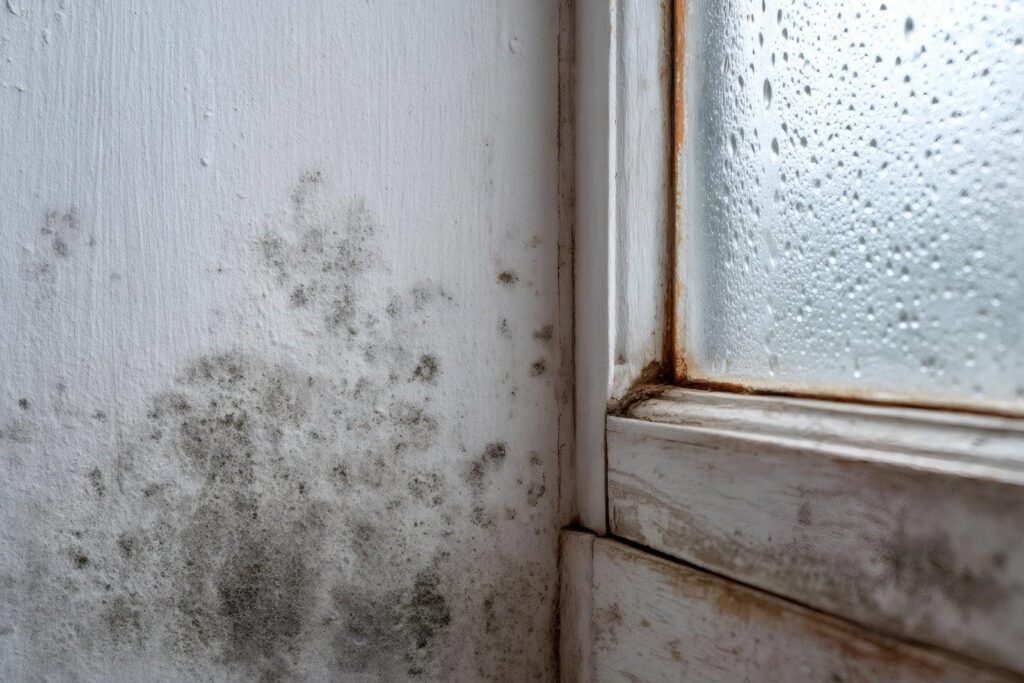
After water damage, you need to act fast or mold can spread before you notice it. You’ll want to stop the source, dry affected areas within 24–48 hours, remove materials that can’t be salvaged, and clean contaminated surfaces with care. But some moisture problems stay hidden, and that’s where the risk rises. The next steps show how to catch what you can’t see and avoid a larger problem.
Key Takeaways
- Stop the water source immediately and fix leaks, damaged flashing, or drainage problems to prevent further mold growth.
- Dry the affected area within 24–48 hours using fans, dehumidifiers, and ventilation to lower humidity below 60%.
- Remove porous materials like wet drywall, carpet padding, and insulation that cannot be fully dried.
- Clean hard surfaces with detergent and water, then use an EPA-registered mold disinfectant if appropriate.
- Call certified mold remediation professionals for large, recurring, or hidden mold problems, especially black mold.
Stop Water Damage Before Mold Starts
The fastest way to prevent mold is to stop water intrusion before it has a chance to settle in. You need to inspect roofs, flashing, plumbing, windows, and foundations for leaks, then correct defects immediately.
Use preventive measures like sealing penetrations, maintaining gutters, and grading soil away from walls. Keep humidity in check with steady moisture control, because elevated dampness gives spores an ideal foothold.
You should also monitor basements, crawl spaces, and bathrooms for condensation, staining, or soft materials. If you belong to a household that shares responsibility, assign clear inspection tasks so nothing gets missed.
Document repairs, track recurring trouble spots, and address small failures before they become structural problems. That’s how you protect your space and keep mold from taking hold.
Dry Your Home Within 24–48 Hours
Once water intrusion has been stopped, you need to dry every affected area within 24–48 hours to prevent mold growth.
Start immediately with dehumidifier usage to lower indoor humidity and speed evaporation from floors, walls, and furnishings.
Pair that with ventilation importance: open windows when outdoor air is dry, run exhaust fans, and keep air moving through the space.
You should position fans to create crossflow, not to blow moisture deeper into materials.
Monitor conditions with a hygrometer and target relative humidity below 60%, ideally near 50%.
Keep the process continuous until surfaces feel dry and indoor air stabilizes.
Acting quickly helps you protect your home, preserve comfort, and stay in control together.
Remove Wet Materials and Check for Hidden Moisture
If materials stayed saturated for more than 24–48 hours, remove and discard porous items that can’t be fully dried, including carpet padding, insulation, drywall, and ceiling tiles.
You’ll protect your home’s structure and reduce mold risk by acting quickly and decisively.
Inspect baseboards, wall cavities, subfloors, and under cabinets for hidden moisture, because trapped water often lingers after surfaces feel dry.
Use moisture detection tools, such as a meter or thermal camera, to verify that readings return to normal before you close anything back up.
If you find hidden leaks, shut off the source and schedule repairs immediately.
Clean Mold-Affected Surfaces Safely
Before you scrub, isolate the work area, open windows if conditions allow, and wear gloves, goggles, and an N95 or higher-rated respirator to limit exposure to airborne spores.
You should clean hard, nonporous surfaces with detergent and water first, then apply an EPA-registered disinfectant if the label allows mold use.
Work from the cleanest section toward the dirtiest, using disposable cloths or brushes you can rinse and replace often. Avoid dry sweeping, which can spread spores.
Keep surfaces damp during cleaning, then dry them fully with fans and dehumidification.
These safe cleaning methods support mold prevention techniques by removing residue and reducing moisture that helps growth return.
You’re protecting your home’s shared spaces, and that consistency helps everyone stay safer after water damage.
Call Mold Remediation Experts for Severe Growth
When mold covers a large area, keeps returning after cleaning, or appears inside walls, ceilings, HVAC systems, or other hidden spaces, you should call a certified mold remediation professional.
You’re protecting your home and your people when you act fast. Experts identify mold types, locate moisture sources, contain contamination, and remove damaged materials with negative-air equipment and EPA-approved products.
They also verify drying, test affected zones, and reduce health risks from airborne spores and mycotoxins.
If you’re dealing with black mold, widespread growth, or recurring odors, don’t rely on surface cleaning alone. A trained team helps you restore a safe, stable environment and gives your household the confidence of knowing the problem was handled correctly.
Frequently Asked Questions
How Soon Should I Inspect for Mold After Flooding?
You should inspect for mold within 24 to 48 hours after flooding; mold growth timeline accelerates fast. Use inspection methods like visual checks and moisture meters, and you’ll protect your space, your people, and your peace.
Can Mold Grow Behind Walls Without Visible Water Stains?
Yes, you can have mold growth behind walls without visible stains because hidden moisture can remain trapped in cavities. You should inspect promptly, use moisture meters, and open suspect areas to verify conditions.
What Health Symptoms Suggest Hidden Mold Exposure?
You may notice mold symptoms like coughing, wheezing, congestion, headaches, eye irritation, fatigue, or worsening asthma; hidden mold often triggers these changes after exposure, especially if symptoms improve away from the affected area.
How Do I Know if My Insurance Covers Mold Cleanup?
Check your insurance policies for mold coverage—coverage varies sharply. You’ll usually find it in exclusions, endorsements, or named-peril sections. Call your agent, confirm water-damage triggers, and get the decision in writing.
Should I Test Indoor Air After Water Damage?
Yes—you should test indoor air if you notice odors, symptoms, or hidden dampness. You’ll protect indoor air quality by using validated mold testing methods, then confirming whether remediation’s needed for your space.
Summary
By acting fast, you stop mold before it spreads like wildfire. Seal leaks, dry affected areas within 24–48 hours, remove unsalvageable wet materials, and clean contaminated surfaces with proper protection. If moisture lingers or growth is extensive, bring in mold remediation experts to assess hidden damage and complete the job. When you follow these steps, you protect your home’s structure, improve indoor air quality, and reduce the risk of recurring mold problems.