
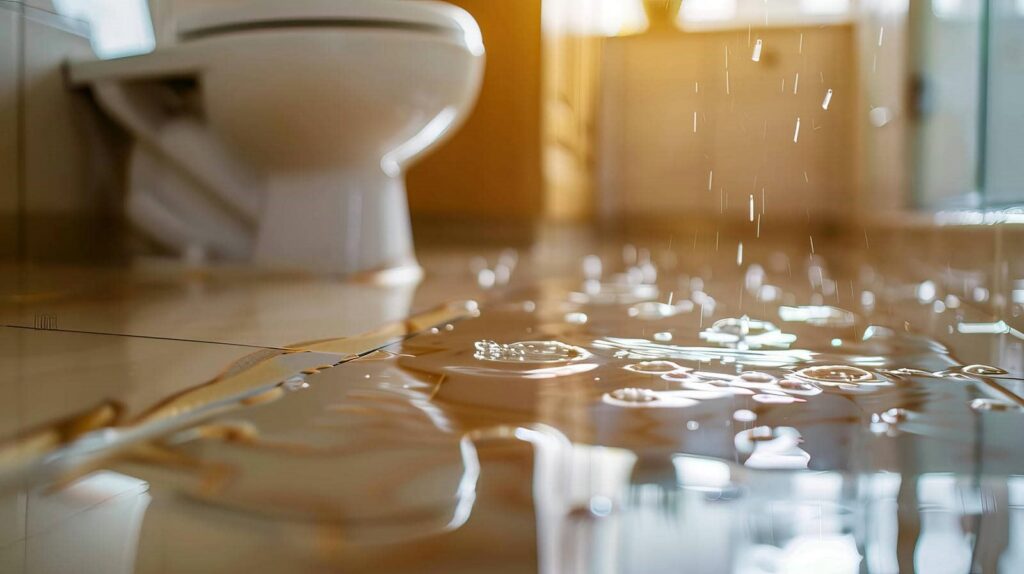
Imagine standing in a dimly lit space, the unmistakable odor of sewage creeping in as water seeps into your home. Handling sewage cleanup isn’t just about getting rid of the mess; it’s a methodical process that requires careful planning and execution. From identifying the source to ensuring proper sanitation, each step is vital. Understanding these essential tips can make a significant difference in how effectively you manage the situation and protect your health.
Key Takeaways
- Always wear protective gear, including gloves, masks, and goggles, to safeguard against sewage hazards during cleanup.
- Identify and shut off the water source to prevent further flooding and contamination.
- Block off affected areas with barriers to limit exposure and inform others of potential risks.
- Remove contaminated materials promptly and use disinfectants that target harmful pathogens.
- If damage is extensive, consider hiring professionals with expertise in hazardous material cleanup.
How to Safely Handle Sewage Cleanup
When dealing with sewage cleanup, it’s essential to prioritize your safety and health. Start by identifying sewage hazards, as they can pose serious health risks.
Always wear protective gear, including gloves, masks, and goggles, to minimize exposure. Use appropriate cleanup techniques, such as using a wet/dry vacuum to remove standing water and employing disinfectants to sanitize surfaces.
Ensure proper ventilation in the area to disperse harmful odors and airborne pathogens. Dispose of contaminated materials in compliance with local regulations.
Remember to wash your hands thoroughly after completing the cleanup. By taking these precautions, you not only protect yourself but also create a safer environment for those around you, fostering a sense of community responsibility and care.
Identify and Stop the Source of Water Ingress
To effectively manage sewage cleanup, you need to identify and stop the source of water ingress.
Start by locating the water source, then shut off the main valve to prevent further flooding.
Finally, inspect your plumbing systems for any leaks or issues that may have contributed to the problem.
Locate The Water Source
Identifying and stopping the source of water ingress is essential for effective sewage cleanup. Start with thorough moisture assessment throughout your space.
Look for visible signs of water damage, such as stains or mold, which can indicate hidden leaks. Utilize water detection tools, like moisture meters, to pinpoint areas with elevated humidity.
Check appliances, pipes, and roofs for potential failures, as these are common culprits. Don’t overlook foundation issues, as groundwater can also intrude.
Once you identify the source, document your findings for any necessary repairs. This proactive approach prevents further damage and fosters a sense of community and support among those facing similar challenges.
Shut Off Main Valve
Shutting off the main valve is an essential step in mitigating sewage damage once you’ve located the source of water ingress.
You should identify the main valve type—whether it’s a gate, ball, or globe valve—since this affects how you shut it off. Typically, turning the valve clockwise will stop the flow.
Regular valve maintenance is important; ensure it operates smoothly to avoid complications during emergencies. Check for corrosion or leaks, as these can hinder your efforts.
Keeping your valve accessible and well-maintained protects your home and fosters a sense of security among your household.
Taking these steps will help you manage the situation effectively and prevent further damage from occurring.
Inspect Plumbing Systems
Once you’ve shut off the main valve, the next essential step is to inspect your plumbing systems to identify and stop the source of water ingress.
Start by using effective plumbing inspection techniques, such as checking for leaks at joints and connections. Pay attention to water stains on walls and ceilings, which often indicate hidden issues.
Don’t forget to examine your fixtures and pipes for corrosion or damage. Implement plumbing maintenance tips, like regularly cleaning your drains and ensuring proper drainage to minimize future problems.
If you notice any signs of trouble, it’s vital to address them immediately. Remember, staying proactive can save you time, money, and many headaches down the road.
What You Need to Know About Sewage Risks
While you may not realize it, sewage poses significant health and environmental risks that can affect you and your community. Understanding these risks is essential for your safety and well-being. Here are some key points to take into account:
Health Hazards: Sewage contains harmful bacteria and viruses that can lead to serious illnesses.
Environmental Impact: Contaminated water can harm local ecosystems, affecting wildlife and water sources.
Prevention Methods: Regular plumbing maintenance and prompt cleanup can minimize risks.
Being aware of these factors helps you take proactive steps in protecting yourself and your loved ones.
Knowledge empowers your community to address sewage issues effectively and promotes a healthier environment for everyone. Stay informed, and you can contribute to safer living conditions.
Gather Safety Gear for Sewage Cleanup
Before diving into sewage cleanup, gathering the right safety gear is vital for ensuring your protection. Start with durable gloves and boots to shield your skin from harmful pathogens. A mask or respirator protects your lungs from airborne contaminants, while goggles keep your eyes safe from splashes.
Also, consider wearing a full-body suit for added protection.
Personal hygiene is important during this process; having disinfectant wipes, hand sanitizer, and soap on hand ensures you can clean your hands effectively.
After the cleanup, dispose of your gear properly to avoid cross-contamination. By prioritizing protective equipment and hygiene, you safeguard yourself and foster a sense of community responsibility in handling sewage situations effectively.
How to Contain Sewage and Water
To effectively contain sewage and water, you need to block off affected areas immediately.
Use proper containment tools like tarps, sandbags, or absorbent materials to prevent further spread.
This proactive approach minimizes damage and keeps the situation manageable.
Block Off Affected Areas
When dealing with a sewage spill, it’s crucial to block off affected areas immediately to prevent further contamination and limit exposure. By sealing off these zones, you protect yourself and help others stay safe.
Use effective sewage barriers to contain the area and keep the situation manageable.
- Identify all affected zones and mark them clearly.
- Use physical barriers, like plastic sheeting or cones, to restrict access.
- Inform others about the hazards, ensuring everyone understands the risks.
Taking these steps quickly can greatly reduce the chance of cross-contamination and protect public health.
Use Proper Containment Tools
Once you’ve secured the affected areas, it’s essential to utilize proper containment tools to effectively manage the sewage and water.
Start by deploying containment barriers, such as heavy-duty plastic sheeting or sandbags, to prevent further spread. These barriers help isolate contaminated zones, making cleanup safer and more efficient.
Always wear protective equipment like gloves, masks, and waterproof boots to shield yourself from harmful pathogens. Using these tools not only protects your health but also enhances the overall cleanup process.
Make certain that any collected sewage is disposed of according to local regulations to minimize environmental impact.
Clean and Disinfect Affected Areas Thoroughly
Begin by evaluating the extent of the contamination, as thorough cleaning and disinfecting are essential in preventing health risks. Use effective sanitation methods and disinfection techniques to ensure all affected areas are properly treated.
Remove any contaminated materials immediately.
Utilize appropriate cleaning agents that target pathogens.
Allow surfaces to dry completely after disinfection.
After you’ve cleaned, monitor the area for any lingering odors or signs of contamination. Reassessing the space helps confirm that your efforts have been successful.
When Should You Call in Professionals for Sewage Cleanup?
How do you know when it’s time to call in professionals for sewage cleanup? First, watch for sewage signs like persistent odors, visible leaks, or water pooling in unusual places. If you notice these issues, don’t hesitate; the risk of contamination can escalate quickly.
Second, if the affected area exceeds a few square feet, it’s wise to seek professional services. They’ve the equipment and expertise to handle hazardous materials safely.
Additionally, if you’re unsure about the source of the sewage or if it involves sewage backup from the main line, calling in experts is essential. Protecting your health and property should always come first, so trust the professionals when the situation feels overwhelming.
Frequently Asked Questions
How Long Does Sewage Cleanup Typically Take?
Sewage cleanup duration usually ranges from a few hours to several days. Factors affecting cleanup include the spill’s size, contamination level, and your property’s condition. Understanding these aspects helps you prepare for the process effectively.
What Personal Protective Equipment Is Essential for Sewage Cleanup?
You need gloves, masks, goggles, and waterproof boots for sewage cleanup. Following PPE guidelines is essential to minimize contamination risks. Don’t underestimate the importance of proper gear; it protects you and ensures a safer environment.
Can I Use Bleach for Disinfecting Sewage-Affected Areas?
You can use bleach for disinfecting sewage-affected areas, but its effectiveness depends on concentration and contact time. Consider other sewage disinfection methods too, as they might offer safer, more extensive solutions for thorough sanitation.
What Are the Signs of Mold Growth After Sewage Exposure?
After sewage exposure, look for signs like musty odors, visible mold patches, or increased humidity. Prompt mold detection is essential, as ignoring it can lead to serious health risks, affecting both you and your loved ones.
Will My Insurance Cover Sewage Cleanup Costs?
Your insurance policies might cover sewage cleanup costs, but it depends on your coverage limits. Review your policy details, and consider contacting your provider for clarity on specific coverage related to sewage damage.
Conclusion
In the face of sewage cleanup, think of yourself as a ship captain maneuvering stormy waters. With the right safety gear and a clear plan, you can steer your way through the chaos. By identifying the source and containing the mess, you protect your crew—your home and loved ones. When the tides grow too strong, don’t hesitate to call in the professionals; they’re the lighthouse guiding you safely to shore. Your swift action makes all the difference.