
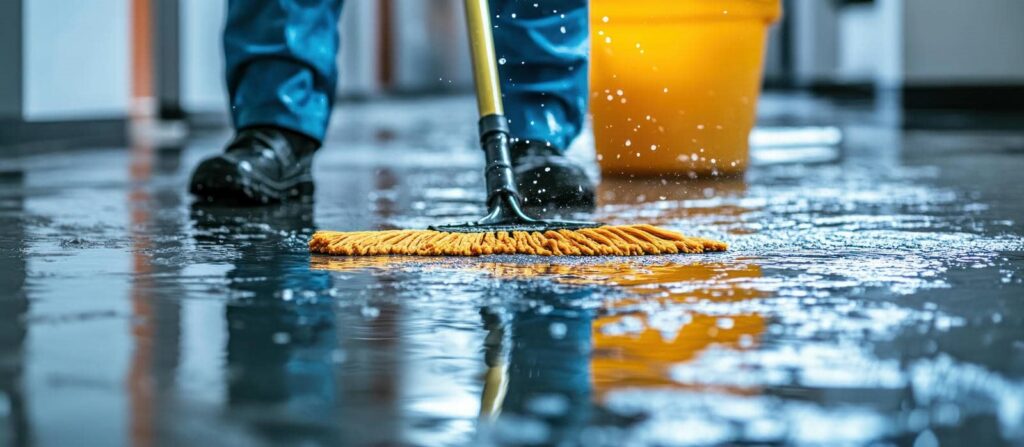
When flooding occurs, the aftermath can be challenging. You might face immediate risks to your home and health, making expert cleanup solutions vital. Understanding the steps and techniques used by professionals can greatly impact your recovery process. As you navigate the complexities of flood damage, it’s important to recognize the right actions to take. What factors should you consider to ensure a thorough and safe restoration? Let’s explore the vital steps together.
Key Takeaways
- Assess structural damage quickly to ensure safety and identify necessary repairs before further deterioration occurs.
- Remove standing water promptly using pumps and vacuums to prevent mold growth and health risks.
- Document all damage thoroughly for insurance claims, including photos and lists of affected items.
- Use dehumidifiers and fans to control moisture levels, monitoring humidity to prevent mold proliferation.
- For sewage issues, engage professional cleanup services to ensure thorough sanitation and minimize health hazards.
Immediate Risks of Flood Damage: Structural and Health Concerns
When floodwaters invade your home, they pose immediate and serious risks, both structurally and to your health. The flood impact can compromise your home’s foundation, walls, and electrical systems, creating potential hazards.
It’s essential to assess these structural damages quickly, as delays can lead to further deterioration.
Health concerns also arise, including mold growth and contamination from floodwaters. These can lead to respiratory issues and other illnesses, especially for vulnerable individuals.
Implementing safety measures, such as wearing protective gear and ensuring proper ventilation, is important in safeguarding your well-being.
Recognizing these risks helps you take effective action and fosters a sense of community as you navigate the emotional toll of flooding together with others who understand your situation.
Essential Steps for Effective Flood Cleanup
After addressing the immediate risks posed by flood damage, it’s time to focus on effective cleanup strategies.
First, connect with local community resources; they often provide valuable support and materials for recovery. Document the damage thoroughly, as this will aid in your emergency response efforts and insurance claims.
Remove standing water and begin drying out affected areas swiftly to prevent mold growth. Discard contaminated items, but keep receipts for any replacements.
Prioritize safety by wearing protective gear, and always consult professionals for hazardous cleanup tasks.
Engaging with your community fosters a sense of belonging and creates a network of support during this challenging time. Together, you can rebuild and restore your space.
Key Techniques for Effective Water Mitigation
Effective water mitigation starts with a clear assessment of the situation. You’ll need to identify the source of the water and the areas affected.
Begin with water extraction; using pumps and vacuums can quickly remove standing water, reducing damage.
Next, focus on moisture control—dehumidifiers and fans help to dry out the space, preventing further issues like mold growth. It’s essential to monitor humidity levels consistently, ensuring they remain low.
Additionally, inspecting materials like drywall and insulation for damage allows you to address potential hazards early.
Remember, taking these steps protects your property and fosters a sense of safety and comfort for you and your loved ones.
You’re not alone in this; support is available.
Choosing the Right Mold Remediation Service
Identifying and addressing water damage can lead to mold growth, making it essential to choose the right mold remediation service promptly.
Start by researching service qualifications; verify they’ve the necessary certifications and experience with various mold types.
Ask about their inspection techniques to assess the extent of the problem accurately.
Evaluate their remediation methods, confirming they align with industry standards.
Cost considerations matter too, so get multiple quotes and understand what’s included.
Customer feedback can guide your decision, revealing the company’s reliability and effectiveness.
Finally, don’t forget to inquire about prevention strategies to avoid future issues.
Making an informed choice helps you protect your home and peace of mind.
Recognize When to Call for Sewage Cleanup?
When you notice signs of sewage contamination, it’s essential to act quickly.
Ignoring the issue can lead to serious health risks for you and your family.
Recognizing when to call for professional cleanup isn’t just about restoring your space; it’s about ensuring safety and peace of mind.
Signs of Contamination
Contamination can strike unexpectedly, leaving you grappling with its consequences. Recognizing signs of contamination is vital for your safety and well-being.
Common contamination sources include sewage backups, floodwaters, and chemical spills. If you notice unusual odors, discoloration, or slimy textures in your environment, it’s time to take action.
Don’t hesitate to employ testing methods, such as water quality tests, to confirm your suspicions. These tests can reveal harmful bacteria or toxins lurking in your space.
Trust your instincts—if something feels off, it’s better to be safe than sorry. Reaching out for professional help can restore your peace of mind and ensure a healthy living environment.
You’re not alone in this; support is always available.
Health Risks Involved
Though you mightn’t realize it, exposure to sewage can pose serious health risks that require immediate attention. Contaminated water can introduce harmful pathogens, leading to infections or diseases. Ignoring these risks can result in long-term effects on your health.
Here are some key concerns to reflect upon:
Bacterial infections: Pathogen exposure can lead to gastrointestinal issues or skin infections.
Viruses: Hepatitis A or Norovirus can be contracted through contaminated water.
Respiratory problems: Mold growth from flooding can exacerbate asthma or allergies.
Mental health impacts: Stress and anxiety can arise from dealing with the aftermath of sewage exposure.
Recognizing these risks is essential for your well-being and peace of mind. Don’t hesitate to seek professional help when needed.
Professional Cleanup Necessity
Recognizing the signs of sewage damage is essential for your safety and well-being. If you notice unusual odors, discoloration, or standing water, it’s important to act swiftly. Ignoring these issues can lead to serious health risks and property damage.
The cleanup significance can’t be overstated; tackling sewage requires more than just mopping up. Professional expertise is critical in ensuring thorough sanitation and preventing future problems.
Trained specialists can identify hidden contamination, safely remove hazardous materials, and restore your space effectively. Remember, you don’t have to face this challenge alone.
Reaching out for help protects your home and fosters a community of care and support. Prioritize your health and safety by calling in the professionals when needed.
Why Drying and Dehumidification Matter
When water damage strikes, understanding the importance of drying and dehumidification is crucial to preventing further issues. Effective drying techniques remove moisture quickly, helping to mitigate mold growth and structural damage.
Dehumidification benefits you by lowering humidity levels, ensuring your space remains safe and comfortable.
- Reduces the risk of mold and mildew
- Protects your belongings from water damage
- Enhances indoor air quality
- Promotes a healthier living environment
Preventing Future Flood Damage: Proactive Measures
To prevent future flood damage, you need to take proactive measures that address potential vulnerabilities in your property.
Start by investing in flood resistant landscaping, which can help redirect water away from your home, reducing the risk of water accumulation. Incorporating native plants and strategically placed gravel can enhance drainage and absorption.
Additionally, consider sump pump installation in your basement. A reliable sump pump can effectively remove excess water, keeping your living space dry during heavy rainfall.
Regular maintenance of these systems is essential; check them frequently to confirm they’re functioning properly.
Navigating Insurance Claims After Flooding Incidents
Maneuvering insurance claims after flooding can be overwhelming, especially when you’re already dealing with the stress of water damage.
To navigate this process more smoothly, keep these tips in mind:
Understand your policy coverage: Familiarize yourself with what’s included and excluded in your insurance.
Gather claim documentation: Document all damage with photos and lists to support your claim effectively.
Communicate promptly: Reach out to your insurer as soon as possible to start the claims process.
Follow up regularly: Stay in touch with your claims adjuster to ensure your case is progressing.
Frequently Asked Questions
How Long Does It Take to Fully Dry a Flooded Area?
It typically takes 3 to 7 days to fully dry a flooded area. By using effective drying techniques and conducting regular moisture assessments, you’ll ensure a thorough recovery, helping you feel secure in your space again.
What Personal Protective Equipment Should I Use During Cleanup?
During cleanup, you should wear safety gear like gloves, masks, and protective clothing. Conduct a hazard assessment to identify risks, and follow cleanup protocols to ensure your safety and well-being throughout the process.
Can I Use Regular Fans for Drying, or Do I Need Specialized Equipment?
While regular fans can help, they lack the power of specialized equipment for ideal fan efficiency. To truly conquer moisture, invest in commercial dryers; they’ll dry faster and more thoroughly using advanced drying techniques.
How Do I Identify Hidden Water Damage After Flooding?
To identify hidden water damage, check for mold growth and musty odors, inspect walls and floors for discoloration, and assess structural integrity. Don’t hesitate to consult professionals for thorough mold inspections and peace of mind.
Are There Specific Laws Regarding Flood Cleanup in My Area?
Yes, there are specific laws regarding flood cleanup in your area. You should check local cleanup regulations and verify your flood insurance covers necessary repairs. Understanding these can help you navigate the recovery process effectively.
Wrap-Up
In the aftermath of flooding, neglecting cleanup can lead to chaos that spirals out of control. You can’t afford to let structural damage or mold fester like unwanted guests at a party. By acting swiftly and choosing the right professionals, you’ll reclaim your home and restore peace of mind. Remember, prevention is key—don’t wait for disaster to strike again. Take charge now, and you’ll transform your space from a war zone back to a sanctuary.