
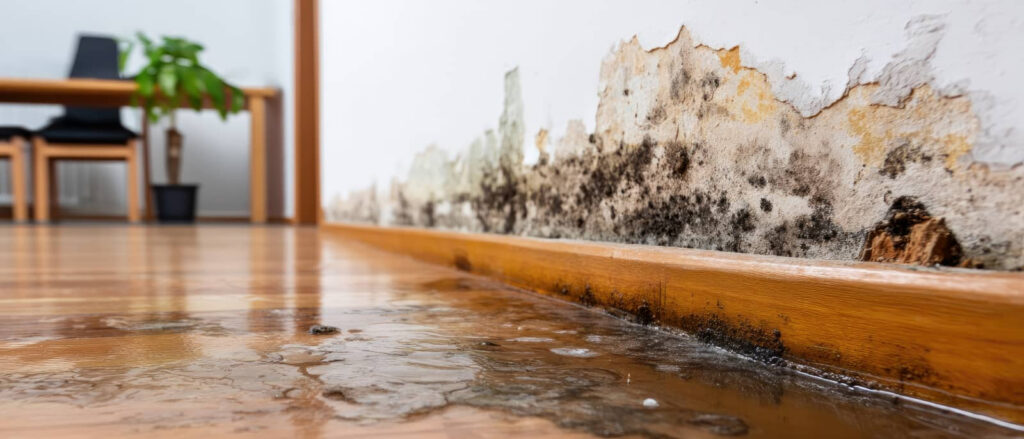
You may not know that visible drying doesn’t always mean your home is safe after water damage. Moisture can stay trapped inside walls, floors, and insulation, where it keeps causing damage long after the surface looks dry. A moisture inspection helps you find those hidden problem areas, measure what’s really happening, and guide repairs before mold, warping, or decay can spread.
Key Takeaways
- A moisture inspection reveals hidden water trapped behind walls, under floors, and above ceilings after visible surfaces dry.
- It confirms the full extent of water damage, helping prevent overlooked issues like warping, odors, and structural decay.
- Inspectors use meters and thermal cameras to detect concealed leaks and wet materials early.
- Moisture readings guide drying and repairs, so restoration targets the wettest areas without unnecessary demolition.
- Early inspection helps prevent mold growth by finding and removing moisture before it spreads.
Why Moisture Inspections Matter After Water Damage?
After water damage, a moisture inspection matters because surface drying can hide trapped water inside walls, floors, insulation, and structural materials.
You need this inspection to confirm the true extent of water damage and prevent delayed problems that can spread quietly. When you understand inspection importance, you can act before moisture leads to warping, odor, or decay.
A trained inspector uses precise tools to verify what your eyes can’t see, giving you clear data instead of guesswork. That helps you feel confident, informed, and supported during recovery.
You’re not handling uncertainty alone; you’re making a smart, technical decision that protects your home’s structure, comfort, and long-term safety.
What Moisture Inspectors Check in Your Home?
A thorough moisture inspection checks the places where water tends to hide: behind walls, under floors, inside ceilings, around windows and doors, and within insulation, subflooring, and framing.
Your inspector also reviews visible staining, warped materials, soft drywall, and damp trim to identify likely moisture sources. Using inspection tools such as moisture meters, thermal cameras, and hygrometers, they compare readings across rooms and materials so you know where conditions differ from normal.
They’ll examine plumbing, appliances, roof edges, and exterior openings because these areas often introduce water into your home.
This process helps you understand the extent of the issue without guesswork. You’re not facing it alone; your inspection gives you clear, professional insight and a practical path toward protecting your home and family.
How Moisture Inspections Find Hidden Damage?
Hidden damage often shows up where you can’t see it, and moisture inspections use targeted tools to reveal those problem areas before they spread.
You get a clear picture of where water has moved behind walls, under flooring, and inside ceilings by using detection methods like thermal imaging, moisture meters, and visual tracing.
These tools help identify hidden leaks that may not leave obvious stains or odors yet still weaken materials.
When you schedule an inspection, you’re taking a practical step to protect your home and your peace of mind.
The process is careful, noninvasive, and designed to catch trouble early, so you can feel confident you’re staying ahead of bigger issues with the support of trained professionals.
How Moisture Readings Guide Water Damage Repairs?
Moisture readings give you a clear baseline for deciding what needs drying, removal, or repair, because they show how far water has penetrated into drywall, framing, subflooring, and other materials.
With precise moisture detection, you can target the wettest areas first and avoid tearing out materials that still perform safely. You also get better repair accuracy, since technicians can match their methods to the actual conditions in each space.
That means you’re not guessing, and your home gets the right level of restoration the first time. These readings also help you track progress during drying, so you can confirm when materials return to acceptable levels.
When you know the numbers, you can move forward with confidence and stay aligned with the repair plan.
Why Moisture Inspections Help Prevent Mold?
Because mold can start growing quickly in damp materials, moisture inspections help you catch problem areas before they turn into larger cleanup issues.
You get measured data on hidden moisture in walls, floors, and insulation, so you can target drying where it matters most. This reduces mold growth by removing the conditions it needs: warmth, moisture, and time.
Your inspector can also spot trapped humidity after leaks, spills, or flooding, helping you act before spores spread through shared living spaces. That matters for your comfort and your household’s safety, since unchecked moisture can increase health risks and trigger odors, allergies, and respiratory irritation.
When you inspect early, you protect your home, support a healthier environment, and stay part of a community that values safe recovery.
Frequently Asked Questions
How Long Does a Moisture Inspection Take?
You can expect a moisture inspection to take 30 to 90 minutes, depending on damage size and inspection equipment types. We’ll use moisture detection techniques to quickly identify hidden issues, so you’ll feel confident and included.
How Much Does a Moisture Inspection Cost?
You’ll usually pay $200–$500, like hiring a lighthouse to guide your ship. Your inspector uses moisture detection methods to reveal hidden damage, and the inspection benefits help you feel secure, informed, and included.
Do I Need to Leave My Home During Inspection?
Usually, you don’t need to leave your home during the inspection. The technician works room by room, keeping your home safety in mind, and explains the inspection process so you’ll feel informed and included.
Can I Schedule an Inspection the Same Day?
Yes, you can often schedule a same-day inspection, like calling a doctor for a sprain. You’ll get emergency response, identify hidden moisture fast, and learn prevention strategies that protect your home and help you feel supported.
Will Insurance Cover the Inspection Fee?
Insurance coverage may include your inspection fee if your policy treats it as a covered mitigation cost. You’ll gain inspection benefits by documenting damage early, supporting claims, and reducing disputes with adjusters.
Review
After water damage, you don’t want to trust what looks dry. One home I inspected had a “dry” wall that still held enough moisture to feed mold behind the paint, like ice under snow. That’s why a moisture inspection matters: it shows the real extent of damage, guides targeted repairs, and helps you prevent hidden decay. With accurate readings, you can fix the problem fully and protect your home’s health.