
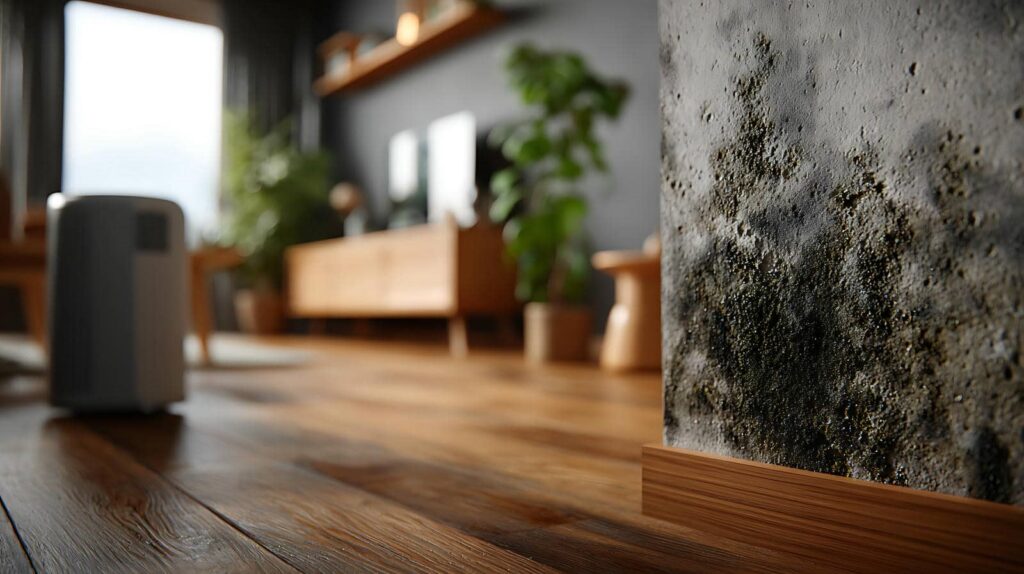
You might be surprised to learn that many homeowners unknowingly invite black mold into their spaces. Identifying the signs early is vital, as neglect can lead to serious health risks and costly repairs. Effective black mold remediation requires a careful approach, from using the right safety gear to choosing appropriate cleaning solutions. Understanding best practices ensures a thorough cleanup and lays the groundwork for long-term prevention. What steps should you take to safeguard your home?
Key Takeaways
- Identify and assess the extent of the black mold infestation for effective remediation planning and safety measures.
- Use protective gear, including N95 masks, gloves, and goggles, to ensure safety during mold cleanup.
- Employ EPA-approved chemical cleaners or natural remedies like vinegar for small infestations, following proper application guidelines.
- Consider professional mold remediation services for extensive infestations, ensuring safe handling and thorough inspection of hidden mold.
- Implement long-term prevention strategies, such as moisture control, ventilation improvements, and regular inspections to avoid future mold growth.
Understanding Black Mold: What You Need to Know
When it comes to home health, understanding black mold is essential, as it poses significant risks to both your property and well-being.
The health effects of black mold exposure can vary, ranging from respiratory issues to more severe allergic reactions.
It’s important to recognize that remediation myths often circulate, leading to ineffective solutions. For instance, simply painting over mold or using bleach are common misconceptions; they don’t address the root problem.
Instead, proper identification and removal are indispensable. Knowing how to tackle black mold protects your space and fosters a safer environment for you and your loved ones.
Stay informed and vigilant, as awareness is your best defense against these hidden dangers.
Signs of Black Mold Infestation in Your Home
When checking for black mold in your home, look for visible mold growth, often appearing as dark spots on walls or ceilings.
Additionally, if you notice a persistent musty odor, it could indicate hidden mold lurking in damp areas.
Recognizing these signs early can help you address potential health risks and property damage.
Visible Mold Growth
You’ll typically notice mold in damp areas, like bathrooms or basements, where indoor humidity is high. Pay attention to mold growth patterns—black mold often appears as dark green or black spots with a fuzzy texture.
If you see these signs, act quickly to mitigate further spread. Ignoring visible mold can lead to structural damage and health issues.
Regularly check areas prone to moisture, and consider using dehumidifiers to maintain ideal indoor humidity levels. Being proactive helps ensure your home remains a safe and welcoming space for you and your family.
Musty Odor Detection
Ignoring visible mold growth can lead to more serious issues, including musty odors that signal a potential black mold infestation.
Recognizing the sources of musty odors is essential for maintaining a healthy home. These odors often stem from damp areas, like basements, bathrooms, or spaces with poor ventilation.
To effectively detect these musty smells, employ methods like sniff tests, where you walk through your home, focusing on areas prone to moisture. Using moisture meters can also help identify hidden dampness that contributes to mold growth.
Addressing musty odors promptly enhances your living environment and prevents more extensive mold problems. Stay proactive and keep your home safe and comfortable for everyone.
How to Remove Black Mold Safely
Removing black mold safely requires the right preparation and tools.
You’ll need essential safety gear, effective cleaning solutions, and a solid strategy to prevent future growth.
Understanding these components ensures a thorough and safe remediation process.
Essential Safety Gear
When tackling black mold, having the right safety gear is essential to protect yourself from potential health hazards.
Adhering to safety guidelines means equipping yourself with appropriate protective equipment that minimizes exposure.
Consider these key items:
- N95 Respirator Mask: This filters out airborne spores, ensuring clean air intake.
- Protective Goggles: These shield your eyes from irritants and spores that can cause discomfort.
- Long-Sleeved Clothing and Gloves: Wearing full coverage protects your skin from direct contact with mold and cleaning agents.
Effective Cleaning Solutions
To effectively eliminate black mold, you need to choose the right cleaning solutions that eradicate the fungus while ensuring safety during the process.
Natural remedies like vinegar or baking soda can be effective for smaller infestations, as they’re non-toxic and easy to use. Simply mix equal parts vinegar and water in a spray bottle, apply it to the affected area, and let it sit before scrubbing.
For larger outbreaks, chemical cleaners may be necessary. Look for EPA-approved products specifically designed for mold removal, ensuring you follow the manufacturer’s instructions carefully.
Always wear protective gear while using these cleaners. Balancing effectiveness with safety is vital, so choose solutions that align with your values and health needs.
Prevention Strategies Post-Removal
Although you’ve successfully removed black mold, taking proactive steps to prevent its return is essential for maintaining a healthy environment.
Effective post-removal maintenance focuses on moisture control and creating an inhospitable environment for mold growth. Here are key strategies to implement:
- Regular Inspections: Check for signs of moisture and mold every few months to catch any issues early.
- Ventilation Improvement: Ensure proper airflow in areas like bathrooms and kitchens, using exhaust fans when necessary.
- Humidity Control: Keep indoor humidity levels below 60% using dehumidifiers, especially in damp areas.
Wear Essential Protective Gear for Mold Cleanup
Protecting yourself during mold cleanup is essential, and wearing important protective gear is non-negotiable. Start with protective clothing to shield your skin from mold exposure.
Use protective gloves to prevent direct contact, and don’t overlook safety goggles to protect your eyes from spores. A respirator mask or ventilation mask is critical for filtering out harmful particles in the air, ensuring you breathe safely.
Maintain hazard awareness throughout the process, adhering to cleanup protocols that prioritize your health.
After completing the job, focus on equipment sanitization to avoid reintroducing mold. By following these steps, you protect yourself and contribute to a safer environment for everyone involved in the cleanup.
Choosing Between Natural and Chemical Mold Cleaning Solutions
When it comes to tackling black mold, the choice between natural and chemical cleaning solutions can greatly impact both effectiveness and safety.
Natural solutions, like vinegar or baking soda, are often safer for indoor use and less harmful to the environment. On the other hand, chemical solutions may provide quicker results but can pose health risks if not handled properly.
Consider these factors when deciding:
- Efficacy: How quickly and effectively does the solution eliminate mold?
- Safety: Are there health risks associated with the solution for you and your family?
- Environmental Impact: How does the solution affect the environment?
When to Call in Professional Mold Remediation Services?
If you notice extensive mold growth in your home or experience recurring mold issues despite your best cleaning efforts, it’s time to contemplate professional mold remediation services. Ignoring persistent mold can lead to significant health risks, including respiratory problems and allergic reactions.
A thorough mold inspection by experts helps identify hidden mold and assess damage, ensuring you address the problem effectively.
Moreover, professionals can implement specialized techniques that go beyond typical cleaning methods. They’re equipped to handle hazardous materials safely, minimizing your exposure.
If you’re unsure about the extent of the infestation or feel overwhelmed, seeking professional help protects your home and safeguards your family’s health.
Don’t hesitate—acting promptly can prevent further complications.
Containment Strategies to Prevent Mold Spread
After addressing mold issues with professional help, the next step is to implement effective containment strategies to prevent further spread.
Using proper containment barriers and sealing techniques is essential in this phase. These methods help isolate affected areas, minimizing the risk of spores traveling to uncontaminated spaces.
- Create physical barriers: Use plastic sheeting to enclose the contaminated area.
- Seal all openings: Verify doors, windows, and vents are properly sealed to prevent airflow.
- Establish negative pressure: Employ fans to draw air out of the contaminated zone, reducing the chance of spores escaping.
Best Drying Techniques to Keep Your Home Moisture-Free
To keep your home moisture-free, you need to implement effective drying techniques.
Start by using dehumidifiers to lower humidity levels, enhance ventilation to promote airflow, and consider water-resistant materials for vulnerable areas.
These strategies will greatly reduce the risk of mold growth and maintain a healthier living environment.
Effective Dehumidification Methods
Maintaining a moisture-free environment is essential for preventing black mold growth, and effective dehumidification methods play an important role in this process.
Understanding various dehumidifier types can help you choose the best humidity control solution for your home.
- Portable Dehumidifiers: Ideal for specific rooms, these units are easy to move and adjust based on moisture levels.
- Whole-House Dehumidifiers: These are integrated into your HVAC system, providing extensive humidity control throughout your home.
- Desiccant Dehumidifiers: Utilizing absorbent materials, these are effective in low-temperature settings and can complement other methods.
Ventilation Improvement Strategies
While improving ventilation might seem like a simple task, it plays an essential role in keeping your home moisture-free and preventing black mold growth.
You can enhance airflow by strategically placing fans and opening windows when weather permits. Installing exhaust fans in high-humidity areas like kitchens and bathrooms is crucial for effective humidity control.
Furthermore, consider using air purifiers to further promote airflow enhancement and eliminate excess moisture. Make certain that your HVAC system is well-maintained, as this can greatly impact overall ventilation.
Regularly checking and cleaning vents will also help keep air circulating efficiently. By implementing these strategies, you create a healthier environment for yourself and your loved ones, fostering a sense of belonging in your home.
Water-Resistant Materials Usage
Using water-resistant materials is essential for effectively preventing moisture buildup and black mold growth in your home.
These materials act as moisture barriers, keeping dampness at bay and ensuring a healthier living environment. Incorporating them into your home design can greatly reduce the risk of mold infestations.
- Moisture-resistant drywall: Ideal for areas prone to humidity, like bathrooms and kitchens.
- Waterproof coatings: Apply these on exterior surfaces to protect against rain and moisture intrusion.
- Vinyl flooring: A durable option that withstands spills and high humidity without warping.
How to Ensure Mold Doesn’t Come Back After Remediation
To prevent mold from returning after remediation, it’s essential to address the underlying moisture issues that often fuel its growth.
Start by implementing mold resistance techniques, such as using moisture barriers and ensuring proper ventilation in high-humidity areas.
Regularly inspect your home for leaks, and repair any plumbing issues immediately to keep moisture levels in check.
Additionally, invest in a dehumidifier if your environment tends to be damp.
Long-term monitoring is vital; consider setting up a regular schedule to check humidity levels and look for signs of mold recurrence.
Cost of Black Mold Remediation Services
Addressing moisture issues is just one part of maintaining a mold-free home; understanding the cost of black mold remediation services is equally important when you face an infestation.
The costs can vary greatly based on several cost factors, including the extent of the mold damage, location, and the specific remediation methods used.
To make informed decisions, consider these points during your service comparison:
- Extent of Infestation: Larger areas may require more resources and time.
- Type of Remediation: Different techniques have varying costs associated.
- Additional Repairs: Damages caused by mold may necessitate extra repairs.
Frequently Asked Questions
Can Pets Be Affected by Black Mold Exposure?
Yes, pets can be affected by black mold exposure. You might notice pet symptoms like coughing or sneezing. To protect your furry friends, prioritize mold prevention and ensure a safe, healthy living environment for everyone.
What Health Risks Are Associated With Black Mold?
Imagine a hidden storm in your home; black mold can release health risks. You might experience black mold symptoms like coughing or fatigue, revealing mold exposure effects that can affect your overall well-being and quality of life.
How Long Does It Take to Remediate Black Mold?
Remediating black mold typically takes one to five days, depending on the extent of mold growth and the remediation timeline. Quick action reduces health risks and prevents further damage, keeping your environment safe and healthy.
Is Black Mold Removal Covered by Homeowners Insurance?
Yes, black mold removal is often covered by homeowners’ insurance, but it depends on your insurance policies and coverage limits. Always review your policy details and consult your agent for specific coverage regarding mold-related issues.
Can I Prevent Black Mold in a Rental Property?
Isn’t it better to prevent mold than to deal with it later? Implement mold prevention strategies like proper ventilation and regular rental property maintenance to keep your space healthy and inviting for everyone.
Summary
In the battle against black mold, think of your home as a fortress. By arming yourself with knowledge and the right tools, you can reclaim your space from this insidious invader. With diligent remediation and preventive measures, you transform your fortress into a sanctuary, safeguarding your health and well-being. Stay vigilant, keep moisture at bay, and remember, a mold-free home is a stronghold of comfort and safety. Take action now, and protect what matters most.