
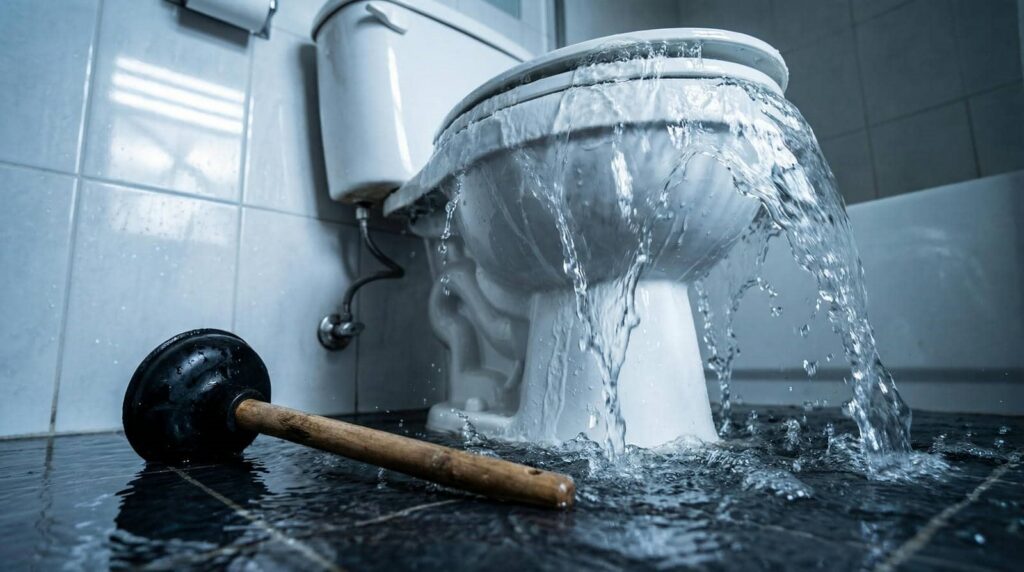
When dealing with sewage and water damage, understanding the root causes is vital. You might overlook simple maintenance, leading to costly repairs down the line. Identifying urgent signs can help you act quickly, but it’s important to have budget-friendly solutions at your fingertips. From DIY cleanup techniques to knowing when to call in professionals, various strategies exist. Knowing how to balance cost and quality can make all the difference when emergencies arise. What’s your next move?
Key Takeaways
- Identify common causes of sewage and water damage, such as plumbing failures and poor maintenance, to prevent future issues.
- Look for budget-friendly DIY cleanup techniques, like using vinegar for disinfecting and ensuring proper ventilation.
- Research local, affordable professional sewage cleanup services by checking reviews and comparing transparent pricing.
- Implement proactive maintenance measures, including regular plumbing inspections and proper drainage systems, to minimize risks.
- Explore community resources and assistance programs for financial aid and education on damage prevention practices.
What Causes Sewage and Water Damage?
When you think about sewage and water damage, it’s essential to understand the underlying causes, as they can lead to costly repairs and health hazards.
Flood sources, such as heavy rainfall and natural disasters, often overwhelm drainage systems. Meanwhile, plumbing failures, like pipe corrosion or sewer backups, can cause significant issues when left unchecked.
Groundwater intrusion can further exacerbate these problems, especially in poorly maintained properties. Poor maintenance practices, such as neglecting regular inspections, allow small leaks to escalate into major damages.
By recognizing these causes, you can take proactive measures to safeguard your home, ensuring it remains a safe and healthy environment for you and your loved ones.
Addressing these factors early can save you time and money in the long run.
Urgent Signs You Need Sewage and Water Damage Help?
If you’re noticing unusual odors or unexplained wet spots in your home, it’s essential to act quickly.
These signs often indicate underlying sewage or water damage issues that can escalate if left unaddressed.
Identifying and addressing these problems promptly can save you time and money in the long run.
Unusual Odors Present
Unusual odors permeating your home often signal underlying sewage issues that demand immediate attention. These smells can stem from various odor sources, including clogged drains, broken sewer lines, or stagnant water. Identifying the specific source is essential for effective resolution.
To tackle these odors, start by inspecting your plumbing and drainage systems. Regular maintenance can prevent odor issues from escalating.
If you notice persistent smells, consider using a professional service for thorough inspections and repairs.
Additionally, practicing odor prevention, like using enzyme cleaners and ensuring proper ventilation, can help maintain a fresh environment.
Don’t ignore these scents; addressing them promptly protects your home and fosters a sense of belonging in a healthy living space.
Unexplained Wet Spots
Persistent odors often coincide with visible symptoms, such as unexplained wet spots on floors, walls, or ceilings. These wet spots can indicate underlying moisture issues, often leading to mold growth if not addressed promptly.
You’ll want to investigate the source quickly, as stagnant moisture can compromise your home’s integrity and your health. Check plumbing fixtures, roofs, and basements for leaks or drainage problems.
Implementing effective moisture control measures is essential. Use dehumidifiers, ensure proper ventilation, and fix leaks immediately.
If you notice mold, it’s critical to act fast, as it can spread rapidly. By tackling these issues head-on, you can maintain a safe and inviting home environment for you and your loved ones.
Budget-Friendly DIY Techniques for Initial Cleanup
When tackling an initial cleanup after a sewage issue, you can employ several budget-friendly DIY techniques that save time and money.
First, gather essential cleaning supplies, including gloves, masks, and disinfectants, from your emergency kit.
Start by containing the affected area to prevent further damage. Use absorbent materials, like old towels or rags, to soak up excess water.
Once the area is manageable, scrub surfaces with a mixture of water and vinegar, which is both effective and cost-efficient.
Afterward, ensure proper ventilation to dry everything thoroughly, which helps prevent mold growth.
Regularly check your emergency kit to keep it stocked.
These steps can considerably reduce the impact of sewage damage while keeping costs low.
Cost-Effective Professional Sewage Cleanup Services
Choosing the right professional sewage cleanup service can save you both time and money, especially when dealing with extensive damage. Start by researching affordable cleanup options in your area.
Look for effective service providers who specialize in sewage remediation and have a solid reputation. Reading customer reviews and checking for certifications can guide you toward trustworthy choices.
Additionally, inquire about their pricing structures; many companies offer transparent rates without hidden fees. By comparing services and seeking estimates, you’ll find a solution that fits your budget.
Must-Have Tools for Budget Water Damage Restoration
Five essential tools can make a significant difference in your budget water damage restoration efforts.
First, a wet/dry vacuum is important for removing standing water quickly.
Next, high-capacity fans are crucial for drying affected areas efficiently, employing effective restoration techniques.
A moisture meter helps you identify hidden damp spots, ensuring you address all water issues.
Additionally, a dehumidifier is necessary equipment for preventing mold growth by keeping humidity levels in check.
Finally, consider investing in protective gear, like gloves and masks, to safeguard yourself during the cleanup process.
How to Prevent Future Sewage and Water Damage Issues
To prevent future sewage and water damage issues, you need to implement a proactive maintenance strategy.
Regular plumbing inspections can identify potential problems before they escalate, while proper drainage systems ensure water flows away from your property efficiently.
Additionally, installing leak detection devices offers an early warning, allowing for quick action to mitigate damage.
Regular Plumbing Inspections
While regular plumbing inspections may seem like an added expense, they’re an essential investment in preventing future sewage and water damage issues.
By prioritizing these inspections, you gain invaluable insights that can save you money and stress down the line.
Here are some key plumbing maintenance tips to contemplate:
Identify leaks early – Catching small leaks can prevent major damage.
Ensure proper water pressure – High pressure can strain pipes, leading to failures.
Inspect drainage systems – Keeping drains clear can prevent backups.
Evaluate fixtures – Regular checks on faucets and toilets can reveal hidden issues.
Embracing these regular inspection benefits not only enhances your home’s safety but fosters a sense of belonging within your community.
Proper Drainage Systems
A well-designed drainage system is essential for preventing sewage and water damage in your home. Start by evaluating your property’s landscape; make certain slopes direct water away from your foundation.
Regularly clear gutters and downspouts to avoid blockages. These drainage maintenance tips help minimize overflow risks.
Consider installing French drains or sump pumps as effective drainage solutions for areas prone to flooding. Check your drainage system annually to identify issues early, preventing costly repairs.
Utilize permeable materials in landscaping to enhance water absorption, further protecting your home.
Leak Detection Devices
Investing in leak detection devices can greatly reduce the risk of sewage and water damage in your home. By incorporating advanced leak detection technology and smart home devices, you can safeguard your living space effectively.
Consider these options:
- Smart Water Sensors: These devices alert you instantly about leaks.
- Flow Meters: Monitor water usage to identify unusual spikes indicative of leaks.
- Infrared Cameras: Detect moisture hidden behind walls or under floors.
- Smart Plumbing Systems: Automatically shut off water flow upon detecting a leak.
Implementing these solutions protects your home and fosters a sense of community well-being, as you contribute to a safer environment.
Prioritize these devices to maintain peace of mind and prevent costly repairs.
How to Balance Cost and Quality in Sewage Cleanup Services
Finding the right balance between cost and quality in sewage cleanup services can be challenging, especially when urgent situations demand immediate action.
To ensure you select the best service, research providers who emphasize quality assurance while using cost-effective materials. Look for companies that provide transparent pricing and detailed breakdowns of their services.
Check customer reviews to gauge their reliability and responsiveness. Don’t sacrifice quality for a lower price; instead, seek out providers who can demonstrate their commitment to both.
Engaging with local community forums can also lead you to recommendations that fit your budget without compromising on service quality.
Insurance Tips for Covering Sewage and Water Damage Claims
While maneuvering through the complexities of insurance claims for sewage and water damage, it’s essential to understand your policy’s specifics to ensure you’re adequately covered.
Here are some key insurance tips:
Conduct an Insurance Policy Review: Familiarize yourself with what’s covered, including exclusions and limits.
Gather Claim Documentation Tips: Collect receipts, photographs, and damage reports to support your claim.
Notify Your Insurer Immediately: Timely reporting can prevent denial due to delay.
Keep Communication Records: Document all interactions with your insurer for reference.
Affordable Sewage and Water Damage Resources in Your Community
Many communities offer affordable resources to help you manage sewage and water damage issues effectively.
Start by exploring local resources like community assistance programs, which can provide financial aid or connect you with professionals. Many municipalities have partnerships with local contractors who specialize in damage mitigation at reduced rates.
You might also find workshops or seminars that focus on prevention and best practices, helping you stay informed and proactive.
Don’t forget to check in with your neighborhood associations; they often share valuable information on available resources.
Frequently Asked Questions
How Can I Identify the Source of Sewage Leaks?
To identify sewage leaks, conduct a thorough plumbing inspection and use leak detection tools like moisture meters or cameras. These methods help pinpoint issues, allowing you to address problems effectively and maintain your home’s integrity.
What Health Risks Are Associated With Sewage Exposure?
Sewage contamination can expose you to over 100 pathogens, leading to serious health symptoms like gastrointestinal issues and respiratory problems. Protect yourself by ensuring proper sanitation and addressing leaks promptly to safeguard your well-being.
Are There Eco-Friendly Methods for Sewage Cleanup?
Yes, you can use biodegradable cleaners and natural disinfectants for sewage cleanup. These eco-friendly methods effectively break down waste while minimizing environmental impact, ensuring your space is safe and healthy without harming the planet.
How Long Does Sewage Damage Restoration Typically Take?
Sewage damage restoration typically takes three to seven days, depending on factors like the extent of damage and chosen sewage cleanup techniques. Understanding these restoration timeline factors helps you prepare for a smoother recovery process.
Can I File a Claim for Water Damage From Sewage Backups?
Yes, you can file a claim for water damage from sewage backups if your insurance policy covers it. Follow your insurer’s claim process carefully to ensure you provide all necessary documentation and details.
Conclusion
Tackling sewage and water damage doesn’t have to break the bank. Did you know that homes with regular maintenance can reduce the risk of costly repairs? By employing budget-friendly solutions and proactive measures, you can protect your home and wallet. Remember, investing time in DIY techniques and understanding your insurance can save you from financial strain down the line. Stay prepared, and you’ll navigate these challenges more effectively.