
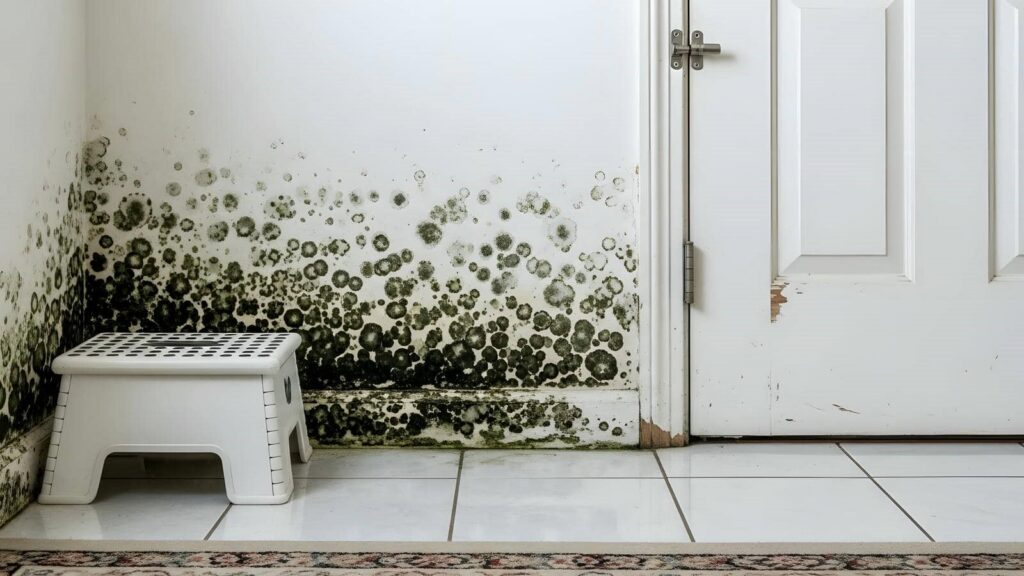
If you suspect black mold in your home, it’s vital to address it quickly and effectively. Ignoring the signs can lead to health risks and costly damage. You’ll need to assess the situation carefully, taking stock of the extent of the infestation and your options for removal. Understanding both DIY methods and when to call in professionals can make a significant difference. Let’s explore the essential strategies to manage this problem effectively.
Key Takeaways
Identify and inspect areas with moisture, focusing on bathrooms, basements, and hidden spaces to detect black mold early.
Use protective gear and ensure proper ventilation when removing mold to minimize health risks.
Choose effective cleaning products, such as antifungal agents or vinegar, to thoroughly scrub mold from surfaces.
Replace porous materials like drywall if heavily infested, and dry the area completely to prevent regrowth.
Implement ongoing moisture control strategies and regular inspections to prevent future black mold growth.
Signs of Black Mold Infestation in Your Home
How can you tell if your home has a black mold infestation? Start by inspecting areas with consistent moisture, like bathrooms and basements.
Look for dark spots or a musty odor—both are strong indicators. Utilize mold detection methods, such as air quality tests and surface swabs, to confirm your suspicions.
Pay attention to your health; symptoms like coughing or skin irritation may signal mold exposure.
Implementing moisture control measures is essential; guarantee proper ventilation, fix leaks, and use dehumidifiers in damp spaces.
Regularly check for condensation and water stains, as these can also hint at mold growth.
Understanding Black Mold: What You Need to Know
Understanding black mold is essential for your health and safety. You need to recognize the symptoms it can cause, such as respiratory issues and skin irritation, which often signal an infestation.
Additionally, being aware of the potential health risks involved can motivate you to take action before problems escalate.
Symptoms of Black Mold
While you may not always see black mold, its presence can profoundly impact your health. Recognizing the symptoms is critical for maintaining a safe living environment.
Start by creating a symptoms checklist that includes common indicators like coughing, sneezing, and skin irritation. You might also experience headaches, fatigue, or respiratory issues.
These health indicators can vary from person to person, but staying alert to these signs is essential. If you notice persistent or worsening symptoms, it’s important to investigate potential mold sources in your home.
Health Risks Involved
Black mold poses significant health risks that can affect anyone exposed to it, particularly those with pre-existing respiratory conditions or weakened immune systems. Understanding these dangers is essential for your well-being.
Respiratory issues: Prolonged exposure can lead to chronic coughing, wheezing, and asthma attacks.
Long-term effects: Ongoing exposure may result in persistent lung damage or heightened sensitivity to allergens.
Neurological symptoms: Some individuals report memory loss, fatigue, and headaches linked to black mold exposure.
Being aware of these risks helps you take proactive steps to protect yourself and your loved ones.
If you notice mold in your home, addressing the issue promptly can prevent serious health complications and foster a safer living environment.
Key Safety Precautions for Safe Mold Removal
When tackling mold removal, prioritizing safety is essential.
You should always wear protective gear, including masks and gloves, to minimize exposure.
Additionally, ensuring proper ventilation in the area can help reduce harmful spores in the air.
Wear Protective Gear
To confirm your safety during mold removal, it’s crucial to wear appropriate protective gear. This not only protects you from harmful spores but also creates a sense of belonging to a responsible community of homeowners prioritizing health.
Consider the following items for effective protection:
Protective masks or respirators for respiratory safety.
Safety goggles for eye protection against irritants.
Mold-resistant gloves and protective clothing to guarantee skin protection.
Ensure Proper Ventilation
Ensuring proper ventilation is essential during mold removal, as it helps minimize the concentration of airborne spores that can exacerbate health risks.
You should implement effective ventilation techniques to enhance air circulation throughout the affected area. Open windows and doors to create a cross-breeze, and consider using fans to direct airflow outside. If possible, utilize exhaust fans in nearby rooms to further reduce humidity levels.
It’s also wise to wear a mask and goggles during this process, as even with ventilation, some spores may still become airborne.
Remember, good air circulation not only aids in mold removal but also promotes a healthier environment for you and your family.
Prioritizing ventilation is key to a successful mold remediation effort.
Assessing Mold Damage Extent
How can you accurately gauge the extent of mold damage in your space? Start by employing effective mold assessment techniques and damage evaluation methods. This will help you identify the problem area and prevent further complications.
Check for visible mold growth on walls, ceilings, and floors.
Inspect hidden spaces, like behind appliances or within crawl spaces.
Use moisture meters to detect dampness in materials.
Choosing Your Mold Removal Method: DIY vs. Professional
When deciding between DIY mold removal and hiring professionals, it’s essential to weigh the risks involved in each approach.
DIY methods can save you money, but they mightn’t effectively address the underlying issues, leading to further complications.
Understanding when to seek professional help and analyzing cost implications will guide your decision-making process.
DIY Mold Removal Risks
Although tackling mold removal yourself might seem like a cost-effective option, it often comes with significant risks that could outweigh the benefits.
When considering DIY methods, you should be aware of potential DIY mold hazards:
Health Risks: Exposure to mold spores can lead to respiratory issues and allergies.
Ineffective Removal: You mightn’t fully eliminate the mold, leading to a resurgence.
Property Damage: Improper techniques can cause additional damage to your home.
In an effectiveness comparison, while DIY might save money upfront, the long-term consequences can be costly.
Weigh these risks carefully before deciding whether to go it alone or seek professional help. Your health and home deserve the best care possible.
When to Hire Professionals
Determining the right time to hire professionals for mold removal can be essential in safeguarding your health and property. If you notice extensive mold growth, particularly in hard-to-reach areas, it’s wise to seek professional assessment.
Mold inspection services can accurately identify the extent of the problem and guarantee you’re not overlooking hidden issues. Additionally, if you’re experiencing health symptoms like respiratory problems or persistent allergies, it’s a strong signal that you need expert help.
Professionals not only possess the right tools but also have the training to handle hazardous materials safely. In these scenarios, opting for a professional approach can provide peace of mind and guarantee a thorough job, protecting your home and loved ones effectively.
Cost Comparison Analysis
Choosing between DIY and professional mold removal can greatly impact your wallet and peace of mind. Understanding mold removal pricing through a cost effectiveness analysis is essential.
When you weigh your options, consider these factors:
DIY costs: Supplies like bleach, masks, and gloves can add up, typically ranging from $50 to $150.
Professional services: Hiring experts usually costs between $500 and $3,000, depending on the severity and location of the mold.
Long-term implications: Professionals often guarantee thorough removal, potentially saving you from future expenses related to health issues or structural damage.
DIY Black Mold Removal: Step-by-Step Guide
Removing black mold from your home can seem challenging, but with the right approach, you can tackle it effectively.
Start by gathering your supplies: rubber gloves, a mask, and household cleaning agents like vinegar or hydrogen peroxide. Identify the affected areas and guarantee proper ventilation.
Use mold removal techniques, such as scrubbing the mold with your cleaning agent and a brush, ensuring you cover all surfaces. For porous materials, like drywall, it’s best to remove and replace them entirely.
After cleaning, dry the area thoroughly to prevent regrowth. Regularly check for moisture and maintain low humidity to keep mold at bay.
Following these steps fosters a healthier environment and gives you a sense of accomplishment in safeguarding your home.
When to Get Help From Mold Removal Pros
While tackling black mold on your own may seem feasible, there are vital situations where bringing in professionals is advisable. If you notice any of the following, it’s time to call for help:
Extensive Growth: If mold covers more than 10 square feet, DIY mold removal techniques may not suffice.
Hidden Mold: If you suspect mold in walls or ceilings, a professional assessment can identify hidden risks.
Health Concerns: If you or your family experience persistent respiratory issues, expert intervention is necessary.
Professionals bring specialized expertise and equipment that guarantee thorough mold removal.
They can provide detailed assessments, making sure your home is safe and healthy.
Don’t hesitate to seek help when needed; it’s vital for your peace of mind and well-being.
Effective Products for Black Mold Removal
When tackling black mold, selecting the right products can greatly impact your success. Start by choosing effective mold removal products that contain antifungal agents.
Look for cleaning solutions with ingredients like hydrogen peroxide or vinegar, which not only kill mold but also prevent its return. Commercial options often include specialized sprays that target mold spores directly.
Always follow the manufacturer’s instructions for best results, ensuring you’re using the right concentration and application method. For porous surfaces, consider using a sealant after cleaning to lock out moisture.
Preventing Future Black Mold Growth in Your Home
To effectively prevent future black mold growth in your home, it’s essential to address moisture control as a priority. By maintaining a dry environment, you greatly reduce the risk of mold resurgence.
Here are three key strategies:
Use mold resistant materials: When renovating, opt for drywall, paint, and insulation specifically designed to resist mold.
Regularly inspect plumbing: Check for leaks under sinks and behind appliances, fixing issues promptly to prevent moisture accumulation.
Ventilate your spaces: Make sure bathrooms and kitchens have proper ventilation systems, allowing humidity to escape.
Implementing these strategies not only safeguards your home but also promotes a healthier living environment.
Prioritizing moisture control will empower you to create a space where mold struggles to thrive.
Mold Removal Costs: What to Expect
Mold removal costs can vary considerably, depending on factors such as the extent of the infestation, the type of materials affected, and the methods employed for remediation.
Typically, mold inspection costs range from $300 to $500, providing a thorough assessment of your home.
Once you know the severity, remediation pricing usually falls between $1,500 and $3,500 for moderate cases.
If the mold is extensive or requires specialized treatment, costs can escalate to $10,000 or more.
It’s vital to get multiple quotes and understand what’s included in each estimate.
Investing in professional services not only guarantees effective removal but also protects your home and health, fostering a safe environment for you and your family.
Frequently Asked Questions
Can Black Mold Affect Pets in the Home?
Yes, black mold can affect pets in your home. They may show mold symptoms like coughing or skin irritations. Ensuring pet safety involves regular cleaning and monitoring for any unusual behavior or health issues.
How Long Does It Take to Remove Black Mold?
Removing black mold typically takes 1 to 5 days, depending on the severity and size of the infestation. Mold remediation timelines vary based on removal techniques and necessary repairs; quick action is essential for effective results.
Is Black Mold Removal Covered by Homeowners Insurance?
Black mold removal might be covered by your homeowners insurance, but it depends on your insurance policies and coverage limits. Always check your policy details to understand what’s included and any potential exclusions.
What Are the Health Effects of Black Mold Exposure?
Imagine walking through a fog, where black mold lurks, causing respiratory issues, skin irritation, and fatigue. Identifying symptoms early and employing prevention strategies can safeguard your health and create a safer home environment for you.
Can I Paint Over Black Mold After Removal?
You can’t just paint over black mold, even after removal. First, guarantee complete mold eradication using proper mold prevention tips. Then, apply appropriate painting techniques to seal surfaces, preventing future growth and guaranteeing a lasting finish.
Final Thoughts
Tackling black mold effectively requires vigilance and proactive measures. By understanding the signs, taking safety precautions, and choosing the right removal methods, you can protect your home and health. Don’t forget that prevention is key after all, would you want to face another mold issue down the line? Stay informed about moisture levels and use mold-resistant materials to keep your space safe and mold-free for the long term.