
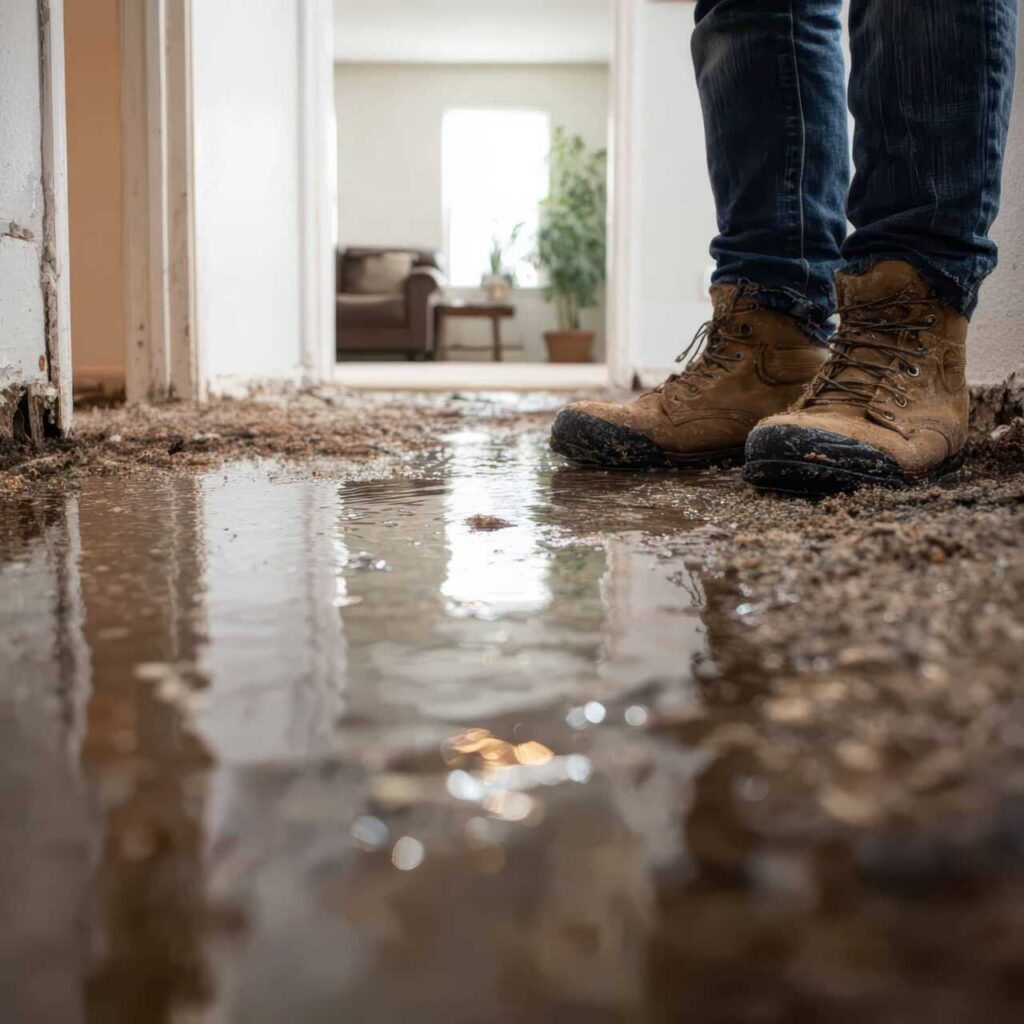
When storm water hits your property, you need to act fast and stay methodical. Emergency Storm Water Damage Repair starts with shutting off utilities when safe, securing the damaged area, and documenting everything before water spreads further. Then you’ll remove standing water, dry the space, and look for hidden moisture that can lead to mold. The first few hours matter most, and the steps you take now will shape what comes next.
Key Takeaways
- Shut off electricity and the water source if safe, then keep people out of the affected area.
- Document all damage with photos, weather details, and item inventories before moving belongings.
- Call a trusted water mitigation professional quickly for assessment and emergency repairs.
- Remove standing water fast, then use fans and dehumidifiers to dry the area thoroughly.
- Check for hidden moisture and structural hazards, and make temporary repairs to prevent further damage.
What to Do First After Storm Water Damage
Right after storm water damage, act fast: shut off electricity to affected areas if it’s safe, stop the water source if you can, and document the damage with photos before you move anything.
You’ll reduce hazards and create a clear record for your insurer and restoration team.
Next, protect yourself with boots, gloves, and a mask if debris or contaminated water is present.
Remove valuables, dry textiles, and lightweight items only after you’ve photographed them.
Then call a trusted water mitigation professional so they can assess saturation, moisture levels, and hidden damage.
Good emergency preparedness means you’re not handling this alone; you’re following a proven sequence that helps your home recover faster.
Stay calm, work methodically, and keep notes so your next steps stay organized and effective.
Stop the Water and Secure the Area
If water is still entering the property, shut off the supply at the main valve or source as soon as it’s safe to do so, then keep people away from the affected area. You’re protecting everyone and limiting spread.
Next, close interior doors, block access with tape or cones, and switch off electricity to wet zones only if you can reach the panel without stepping in water. Use tarps, sandbags, or temporary barriers to redirect runoff and support flood prevention.
Check for loose ceiling material, sharp debris, and unstable flooring before anyone enters. If you can, ventilate with fans from dry areas.
These quick waterproofing techniques won’t fix the source, but they buy time and reduce damage. Stay calm, work methodically, and lean on your crew.
Document Damage for Your Insurance Claim
Once the area is safe, start documenting everything for your insurance claim before cleanup changes the evidence. Take wide photos of each room, then capture close-ups of wet walls, flooring, furniture, and visible stains.
Record the date, time, weather, and where water entered. Create a simple inventory with damaged items, approximate ages, and model numbers if you can see them. Keep receipts for emergency purchases and note any temporary repairs you make.
Save all messages with your insurer and contractor, because they support insurance documentation and help move the claim process forward.
If you feel overwhelmed, work methodically: room by room, item by item. You’re not handling this alone, and clear records give your claim the strongest possible foundation.
Remove Standing Water and Dry Fast
You should pump out standing water as soon as possible to stop further seepage into floors, walls, and trim.
Then you’ll need to air-dry the affected rooms with open pathways for airflow and set dehumidifiers to pull moisture out of the structure fast.
The quicker you remove water and lower humidity, the better you can limit mold growth, swelling, and hidden damage.
Pump Out Water
Start pumping out standing water as soon as it’s safe, because fast removal limits further damage and slows mold growth.
You’ll want to match pump selection to water depth, debris, and access: a utility pump works for shallow flooding, while a submersible or trash pump handles heavier water extraction.
Position the intake on firm ground, keep the discharge hose outside and downhill, and route water away from the foundation so it doesn’t recycle back inside.
Check cords, fuel, and fittings before you start, and wear boots and gloves.
Work in stages, lowering the water gradually to reduce structural stress.
If the water is contaminated or the volume is too large, call a pro.
You’re not alone—quick, organized action protects your home and crew.
Air Dry Rooms
With the standing water pumped out, shift straight to drying the rooms so moisture doesn’t keep spreading through walls, flooring, and framing. Open windows and doors if outdoor air is drier, and use fans to create cross-flow through each affected space.
Remove wet rugs, cushions, and small items so air can reach hidden surfaces. Check baseboards, closets, and under cabinets for trapped dampness, because these spots often hold water longer.
- Use ventilation techniques that move air across, not just around, the room.
- Lift furniture legs onto blocks to expose damp floors.
- Pull back moisture barriers or plastic sheeting where they trap wet air.
- Inspect wall cavities for cool, damp patches.
You’re not alone here; steady airflow helps your home recover faster and more safely.
Use Dehumidifiers Fast
Run dehumidifiers as soon as the rooms are safe to enter, because they pull moisture out of the air and speed up drying in walls, floors, and framing.
Place units in the wettest rooms, close doors, and keep windows shut so you can maximize moisture control.
Set dehumidifier settings to continuous or the lowest humidity target your equipment allows, then empty tanks or run drain hoses without delay.
Use fans to move air across damp surfaces, but don’t replace dehumidification with heat alone.
Check humidity daily with a meter and rotate units if some areas stay cooler.
If you act quickly, you’ll cut the risk of mold, protect structural materials, and get your space back sooner, with less stress.
Check for Hidden Water Damage and Mold
After the visible water dries, inspect hidden areas for damage, because moisture often lingers behind walls, under flooring, and inside insulation. You can use moisture detection tools to confirm what your eyes miss and catch hidden mold early.
Check baseboards, closets, attic corners, and around windows for staining, swelling, or a musty odor. If you spot cool, damp surfaces, treat them as active risk zones. You’re not overreacting; you’re protecting your space and everyone in it.
- Probe suspect materials with a meter.
- Compare readings in dry and damp rooms.
- Photograph each affected area for tracking.
- Note any discoloration, bubbling, or odor.
If readings stay elevated, keep monitoring until levels normalize.
Begin Emergency Repairs
Start emergency repairs by stabilizing the damaged areas so further water intrusion and structural deterioration stop as soon as possible.
You should remove loose debris, lift wet materials, and cover exposed sections with tarps or plastic sheeting. Use temporary solutions like roof patches, board-ups, and quick seam sealing to block rain and wind until permanent work can begin.
Before you touch anything, follow safety precautions: shut off electricity in affected zones, wear gloves and boots, and watch for sagging ceilings or weakened floors.
Dry the space with fans and dehumidifiers if power is safe. Then document every repair step so your insurance claim stays organized.
You’re not handling this alone; each careful action helps protect your home and brings your space back under control.
Frequently Asked Questions
How Long Does Stormwater Damage Coverage Claims Usually Take?
Usually, you’ll wait 1–4 weeks for stormwater damage claim processing, though complex inspections can take longer. Your coverage limits and documentation speed up approval. You’re not alone; adjusters often keep you updated throughout.
Can I Stay in My Home During Emergency Repairs?
You can stay if repair safety and living conditions remain acceptable, but you should leave when hazards, power loss, mold, or structural damage exist. You’ll belong better in a safe, dry space during emergency work.
What Emergency Supplies Should I Keep After Storm Flooding?
Keep bottled water, nonperishable food, flashlights, batteries, first-aid items, gloves, masks, sanitizer, tarps, a wet/dry vacuum, and an emergency kit. During flood cleanup, you’ll protect your home, your health, and your community.
Does Homeowners Insurance Cover Sewer Backup Damage?
Usually, no—your homeowners insurance often won’t cover sewer backup unless your insurance policies include that rider. Think of your home’s moat: you’ll need extra armor. Check coverage, then add protection so you’re not left exposed.
When Should I Call a Licensed Structural Engineer?
You should call a licensed structural engineer when you see cracks, sagging floors, leaning walls, or flood damage. They’ll perform a structural assessment and verify engineer qualifications, giving you clear, reassuring guidance and next steps.
Conclusion
When storm water hits, act fast: shut off power and water, secure the area, document every loss, and start drying right away. For example, if your basement floods after a thunderstorm, a wet/dry vac and dehumidifier can stop damage from spreading while you wait for repairs. You’ll protect your home, reduce mold risk, and strengthen your insurance claim. Stay methodical, keep records, and don’t rush back in until the space is safe.