
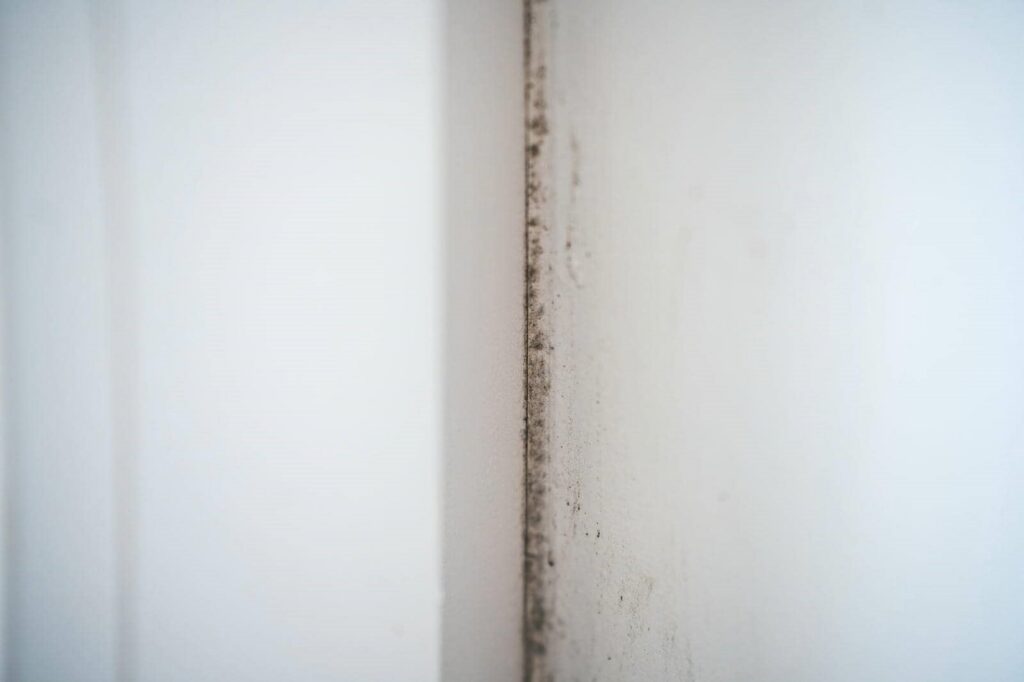
After water damage, you need to act fast because mold can start growing before surfaces feel fully dry. You’ll want to inspect walls, floors, and hidden corners, then isolate the area and remove wet porous materials before they spread contamination. Drying, cleaning, and humidity control all matter, but the real challenge is knowing what to save and what to replace. The next step is where the risk often changes.
Key Takeaways
- Act quickly to dry wet materials with fans, dehumidifiers, and water extraction tools.
- Remove porous items that stay damp, since mold grows fast in soaked drywall and carpet.
- Inspect hidden areas like walls, floors, trim, and corners for musty odors or discoloration.
- Clean mold carefully with gloves, a fitted mask, and mold-control products without dry scrubbing.
- Keep humidity below 60% and fix leaks to prevent mold from returning.
Stop Mold Growth After Water Damage
If you act quickly, you can stop mold growth after water damage before it spreads. Start by inspecting damp materials, trim, and hidden corners with mold identification techniques so you catch early spotting, musty odors, or discoloration.
Wear gloves and a fitted mask, then isolate the affected area to protect your household. Remove porous items that stay wet and clean hard surfaces with effective cleaning products labeled for mold control. Follow the product directions, scrub thoroughly, and rinse as required.
Keep indoor humidity low and monitor the space daily for new patches. You’re not handling this alone; careful, prompt action helps your home recover and keeps your space safe, clean, and welcoming for everyone who lives there.
Dry Water-Damaged Areas Fast
Once you’ve removed wet materials and cleaned affected surfaces, dry the remaining water-damaged areas as fast as possible to limit further mold growth.
You can speed recovery with water extraction tools, fans, and dehumidifiers that keep air moving and moisture dropping. Aim airflow across floors, walls, and trim, and keep windows closed if outside air is humid.
Use drying techniques that match the material: direct ventilation for hard surfaces, controlled dehumidification for porous areas that still feel damp.
Check humidity with a meter and keep it low until readings stabilize. You’re building a safer, healthier space when you dry thoroughly and quickly.
Stay consistent, document progress, and keep equipment running until every affected zone feels dry to the touch and the room air feels balanced.
Check Walls and Floors for Hidden Mold
Now that the visible moisture is under control, check walls and floors for hidden mold behind baseboards, under flooring, and inside wall cavities.
You’ll want a careful wall inspection with a bright flashlight, a screwdriver, and your nose. Look for discoloration, swelling, soft drywall, peeling paint, and musty odors.
Test flooring edges, trim joints, and any area that stayed damp longer than 24 to 48 hours. If materials feel spongy or crumble, hidden mold may be growing where air can’t circulate.
Mark suspect spots so your team can track them together and confirm what needs attention. Trust your instincts; if one area looks off, nearby surfaces may need the same review.
Remove Mold Safely Without Spreading It
To remove mold safely without spreading it, isolate the work area first and control the air you disturb. You should close doors, seal vents, and wear gloves, a respirator, and eye protection.
Dampen contaminated surfaces lightly so mold spores stay settled, then clean from the outside edge inward with disposable cloths or a HEPA vacuum. Avoid dry scrubbing, sweeping, or blasting surfaces with fans, since those actions can launch spores into clean rooms.
Bag waste immediately and leave tools in the contained zone until you finish. These safe practices help you work with confidence and protect the people around you.
When you stay organized and calm, you’re part of a crew that handles cleanup the right way.
Prevent Mold From Coming Back
To keep mold from coming back, you need to control moisture at the source by fixing leaks, drying wet materials quickly, and maintaining indoor humidity below 60%.
You should also inspect vulnerable areas regularly, including basements, bathrooms, and around windows, so you can catch new water intrusion early.
If you stay consistent with these checks, you’ll greatly reduce the chance of another outbreak.
Moisture Control Steps
Keeping mold from coming back starts with controlling moisture at the source. You should dry materials quickly, seal leaks, and keep humidity levels below 60% with a dehumidifier.
Run fans to improve air circulation, especially in closed rooms and damp corners. If you’ve got wet drywall, insulation, or carpet padding, remove the saturated sections so trapped moisture can’t linger.
Vent bathrooms, kitchens, and laundry areas outdoors, and use exhaust fans during and after moisture-producing tasks. Insulate cold pipes and exterior walls to reduce condensation.
Track indoor relative humidity with a meter, and adjust ventilation when levels rise. When you manage moisture consistently, you protect your space and help everyone in it breathe easier, stay comfortable, and feel confident that mold won’t regain a foothold.
Ongoing Inspection Tips
After water damage, inspect the affected area regularly for any sign of new moisture, staining, musty odor, or visible growth.
Set your inspection frequency based on risk: check daily for the first week, then weekly for a month, then monthly through the season.
Focus on baseboards, drywall seams, attic corners, and under sinks, where mold growth often starts.
Use a flashlight and your nose; you’ll catch early changes before they spread.
If humidity stays above 60%, increase checks and keep dehumidifiers running.
Document each visit with dates and photos so you can compare conditions over time.
If you spot dampness, dry it fast and verify the source.
You’re not doing this alone; careful follow-up keeps your space safe, stable, and ready.
Call Mold Remediation Experts When Needed
If mold keeps spreading, the affected area is large, or the damage reaches hidden spaces like walls and HVAC systems, you should call a mold remediation expert.
You’ll get a targeted mold assessment that identifies moisture sources, contamination levels, and structural risks.
During expert consultation, the team explains containment, filtration, drying, and removal steps so you know what’s happening and why it matters. This support helps you protect your home, your health, and your peace of mind.
Professionals use specialized tools to reach concealed growth, reduce airborne spores, and verify cleanup with testing.
When you bring in trained help, you join a process built for safety, speed, and lasting results.
Frequently Asked Questions
How Soon Should Insurance Be Contacted After Water Damage?
Contact insurance immediately after water damage, ideally within hours. You’ll protect your insurance claims, document the loss, and start recovery fast. Call, photograph damage, and keep receipts so you feel supported throughout the process.
Can Mold Start Growing Within 24 Hours of Flooding?
Yes, you can see mold start within 24 hours after flooding. You should dry materials fast, remove standing water, and prioritize mold prevention to limit flood aftermath damage. If you act quickly, you’ll protect your space.
Is Bleach Safe for All Mold Removal Surfaces?
No, you can’t use bleach safely on all surfaces. For mold removal, you should test surface safety first; bleach can damage porous materials and some finishes, so you’ll choose gentler cleaners when needed.
What Signs Indicate Mold Inside Insulation?
You’ll often notice musty odors, discoloration, dampness, or allergy symptoms near walls; insulation inspection methods and mold detection techniques can confirm hidden growth. You’re not alone—prompt testing helps you protect your home confidently.
When Should HVAC Systems Be Inspected for Mold?
Inspect your HVAC system after any water intrusion, musty odor, or visible growth—waiting is like inviting mold to a housewarming. Routine HVAC maintenance supports mold prevention, and you’ll protect your home’s shared comfort quickly.
Recap
You’d think water damage would dry up your mold problems, but it often starts them. So act fast: dry wet areas, check walls and floors for hidden growth, remove mold safely, and keep humidity low. Use fans, dehumidifiers, and proper gear to stop spores from spreading. If the damage is deep or the odor won’t quit, call mold remediation experts. Quick, careful action now helps you protect your space and prevent mold from coming back.