
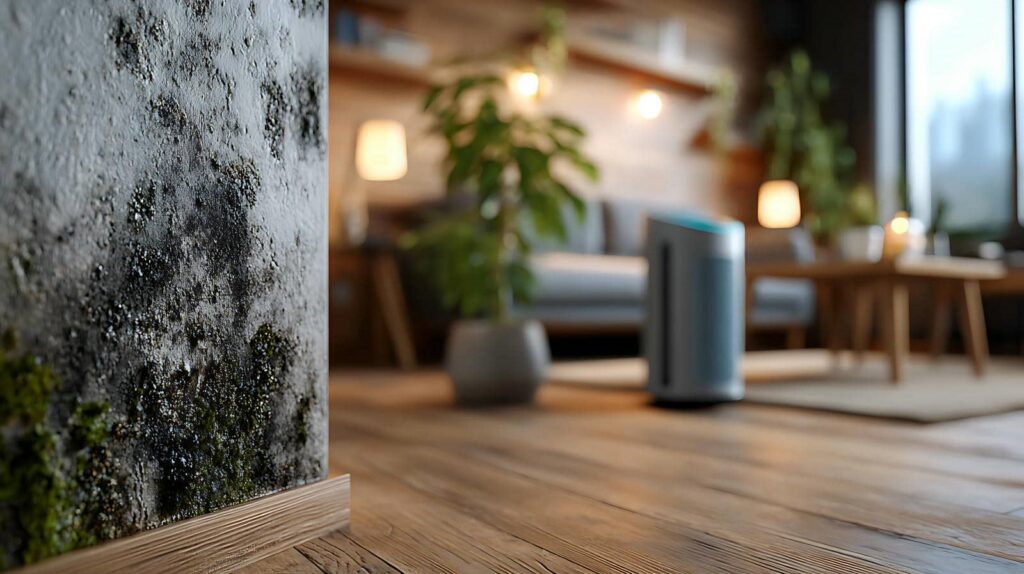
When it comes to black mold removal, understanding the severity of the problem is essential. You need to assess the situation carefully before deciding on a course of action. Spotting the signs of black mold can save you from potential health risks and property damage. With the right strategies in place, you can effectively manage the issue. But what happens when the infestation is beyond your control?
Key Takeaways
- Start with mold testing to confirm the presence and type of mold before removal.
- Wear safety gear such as gloves, goggles, and masks during the removal process.
- Use a mixture of water and detergent or a commercial mold remover to scrub affected surfaces.
- Ensure proper ventilation by opening windows and doors while cleaning to reduce airborne spores.
- Dry all cleaned surfaces completely to prevent future mold regrowth and moisture retention.
How to Assess Mold Severity
How can you effectively determine the severity of mold in your home? Start by identifying the mold types present, as different varieties pose varying health risks.
Inspect areas prone to moisture, like bathrooms and basements. Look for discoloration or unusual odors, which can indicate significant growth.
Use a moisture meter to assess dampness, as higher readings often correlate with mold severity. If you find extensive growth or black mold, consider engaging professionals for thorough testing and remediation.
Remember, early detection is vital; the longer mold persists, the greater the potential health risks for you and your family.
Signs of Black Mold to Look For
While many homeowners may overlook minor stains, recognizing the signs of black mold is essential for maintaining a safe environment.
Look for dark patches, often black or greenish, typically found in damp areas like bathrooms or basements. Pay attention to a musty odor, which can indicate mold types proliferating unseen.
If you or your family experience respiratory issues, skin irritation, or other health risks, these symptoms could be linked to mold exposure.
Regularly inspect areas prone to moisture, such as around pipes or under sinks. Early detection minimizes health risks and helps you maintain a healthy home.
Step-by-Step Guide to DIY Black Mold Removal
Once you’ve identified the signs of black mold in your home, taking immediate action is vital to ensure your living space remains safe.
Start with mold testing to confirm the presence and type of mold. Before you begin removal, put on safety precautions: wear gloves, goggles, and a mask to protect yourself.
Next, ventilate the area by opening windows and doors.
Mix a solution of water and detergent or a commercial mold remover. Scrub the affected surfaces thoroughly, ensuring all mold is removed. Rinse the area with clean water and dry it completely to prevent regrowth.
Finally, check regularly for any signs of recurrence, and keep humidity levels low to maintain a mold-free environment.
When to Get Help From Mold Removal Pros
If you notice extensive mold growth or experience health issues like persistent coughing or allergic reactions, it’s time to contemplate professional help.
Mold can pose serious health risks, and if you’re dealing with a significant infestation, DIY methods may not suffice. Consider the mold inspection costs; investing in a thorough evaluation can save you from larger expenses down the line.
Professionals identify hidden mold and provide effective remediation solutions that eliminate the problem at its source. The benefits of professional remediation extend beyond immediate removal; they ensure your home’s air quality improves and prevent future issues.
Don’t hesitate to reach out for expert assistance when your health and safety are on the line.
Tips for Preventing Future Black Mold Issues
To effectively prevent future black mold issues, you must focus on controlling moisture levels in your home.
Start by implementing ventilation improvements, especially in areas prone to dampness, like bathrooms and kitchens. Use exhaust fans and consider installing vents to circulate air better.
Regularly check for leaks in pipes and roofs, as even small drips can create ideal conditions for mold growth.
Humidity control is essential; aim to keep indoor humidity below 60%. A dehumidifier can help manage moisture levels, particularly in basements or other humid areas.
Finally, make sure that your home’s gutters are clear to prevent water buildup.
Frequently Asked Questions
Can Black Mold Cause Health Issues in Pets?
Yes, black mold can cause serious health issues in pets. You might notice mold symptoms like coughing, sneezing, or skin irritations. Prioritizing pet safety is essential in preventing these harmful effects from mold exposure.
How Long Does It Take to Remove Black Mold?
Removing black mold typically takes 1 to 3 days, depending on the severity. Your cleanup process should be thorough to ensure a safe, healthy environment for everyone.
Do I Need to Vacate My Home During Removal?
Yes, you should vacate during mold remediation for safety. Consider temporary housing options to avoid health risks. Ensuring a safe environment is essential while professionals handle the removal and restoration process effectively.
What Materials Are Safe to Use for Mold Cleaning?
What’s safer for cleaning mold than using mold-resistant materials? Opt for vinegar, hydrogen peroxide, or baking soda. These safe cleaning options effectively tackle mold without harsh chemicals, ensuring your space remains healthy and welcoming.
Can Black Mold Grow in Furniture or Clothing?
Yes, black mold can grow in furniture and clothing, especially if they’re made from moisture-retaining materials. Regular cleaning and proper mold prevention techniques are essential to maintain a safe, healthy environment in your home.
Review
Tackling black mold requires vigilance and prompt action. By evaluating severity, recognizing signs, and following a systematic removal process, you can reclaim your space. But remember, if the problem escalates, don’t hesitate to call in the experts—sometimes, a helping hand is just what you need. Ultimately, prevention is key: keep your environment dry and well-ventilated. After all, a mold-free home is not just a dream; it’s an attainable reality.