
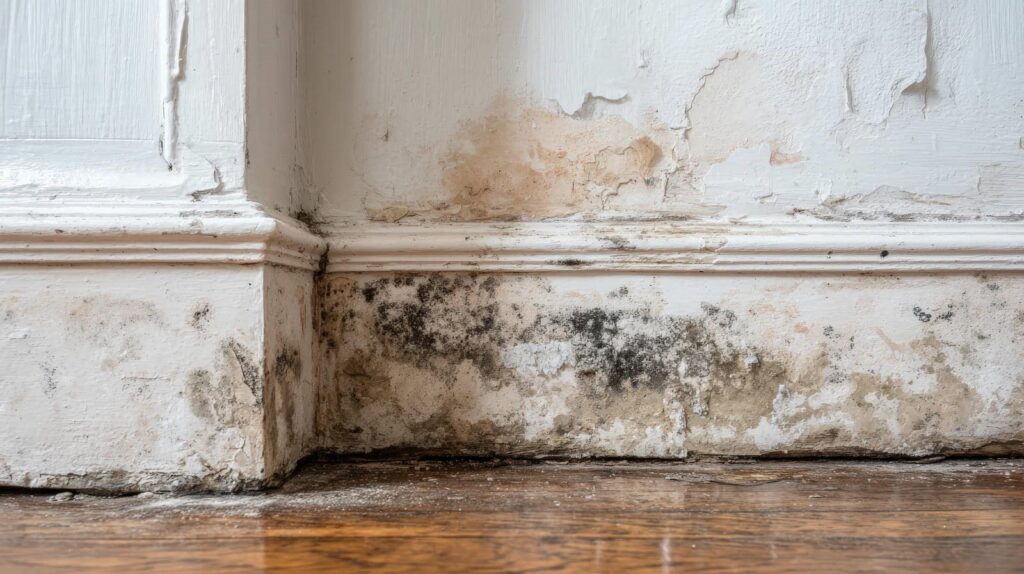
Picture water pooling on your floor, threatening your home’s structure and health. You need to act quickly to mitigate water damage and prevent mold growth. Knowing how to assess the situation, use the right tools, and implement safety precautions is essential. But what specific strategies should you follow to guarantee a thorough cleanup? Understanding each step can make all the difference in protecting your property and peace of mind.
Key Takeaways
- Act quickly to prevent mold growth and health risks by initiating immediate cleanup within 24 to 48 hours of water intrusion.
- Assess the extent of water damage using moisture meters and infrared cameras to identify hidden moisture and document findings.
- Wear protective gear and check for electrical hazards before starting cleanup to ensure personal safety throughout the process.
- Utilize effective water removal techniques, including submersible pumps and wet/dry vacuums, tailored to the volume and type of water.
- Schedule regular inspections and implement moisture control measures to prevent future water damage and maintain your property’s integrity.
Why You Should Clean Up Water Damage Right Away
When water damage occurs, delaying cleanup can lead to significant complications. An immediate response is essential to minimize damage and protect your space.
Mold can develop within 24 to 48 hours, posing serious health risks to you and your family. Contaminated water can also introduce pathogens, further exacerbating these risks.
By acting quickly, you can reduce costly repairs and the potential need for extensive remediation. Use proper equipment to extract water, dry the area, and sanitize surfaces to prevent future issues.
Engaging professionals can guarantee thorough cleanup and adherence to safety standards. Remember, timely action not only safeguards your home but also fosters a sense of community and well-being among those you care about.
Don’t wait; prioritize swift action.
How to Assess Water Damage
To effectively assess water damage, start by identifying the source of the water intrusion, as this essential step helps determine the extent of the damage.
Use damage assessment tools like moisture meters and infrared cameras to pinpoint hidden moisture and structural integrity issues.
Check walls, floors, and ceilings for water stains, warping, or mold, which indicate prolonged exposure.
Document your findings thoroughly, noting affected areas and potential hazards.
This systematic approach not only aids in repair planning but also fosters a sense of community among those facing similar challenges.
Top Safety Precautions for Water Damage Cleanup
When tackling water damage cleanup, your safety is paramount.
Make sure you wear protective gear like gloves and boots to shield against contaminants, and always check for electrical hazards before starting work.
Ensuring electrical safety can prevent serious injuries and make the cleanup process more efficient.
Wear Protective Gear
Properly wearing protective gear is vital for guaranteeing your safety during water damage cleanup. This process can expose you to various hazards, so equip yourself with the right items to minimize risks. Here’s what you need:
- Protective Gloves: Use durable gloves to shield your hands from contaminants.
- Safety Goggles: Protect your eyes from debris and potential splashes.
- Waterproof Boots: Keep your feet dry and safe from hazardous materials.
- Respirator Masks: Guarantee proper ventilation and protect your lungs from harmful mold spores.
Don’t forget to have a first aid kit handy for emergencies.
Being aware of hazards around you is vital. By wearing the right gear, you’re not only safeguarding yourself but also fostering a sense of belonging in a safe environment.
Ensure Electrical Safety
Before starting any cleanup after water damage, verifying electrical safety is essential to prevent serious hazards.
First, turn off the power at the circuit breaker to eliminate electrical hazards. Avoid stepping into standing water if you’re unsure whether it’s near any electrical sources.
Use a voltage tester to confirm that no electricity is flowing before you proceed. If you’re dealing with appliances, disconnect them from outlets to verify circuit safety.
Always wear rubber-soled boots and gloves to provide additional protection. If you’re uncertain about the safety of the environment, it’s best to consult a professional electrician.
Must-Have Tools for Effective Water Damage Cleanup
Effective water damage cleanup requires a specific set of tools that can streamline the process and confirm thorough restoration.
With the right equipment, you can efficiently tackle water extraction and moisture measurement, guaranteeing your space returns to normal.
- Submersible Pump: Essential for quick water extraction from flooded areas.
- Moisture Meter: Helps you accurately measure moisture levels in walls and floors, preventing further damage.
- Industrial Dehumidifier: Removes excess humidity, aiding in faster drying and reducing mold growth.
- Wet/Dry Vacuum: Perfect for cleaning up residual water and debris, making cleanup more manageable.
Equipping yourself with these tools won’t only enhance your efficiency but also confirm a successful restoration process.
Step-by-Step Guide to Removing Standing Water
To effectively remove standing water, start by evaluating the extent of the damage to understand the situation.
Next, gather the necessary equipment to guarantee a safe and efficient cleanup process.
Finally, apply safe water removal techniques to prevent further damage and health risks.
Assessing Water Damage Extent
How can you accurately assess the extent of water damage in your space? First, identify the water damage categories: clean, gray, and black water. Each category requires different handling methods.
Next, gather your damage assessment tools, like moisture meters and thermographic cameras, to pinpoint moisture levels and hidden damage.
Follow these steps:
- Inspect the area: Look for visible signs of water damage, such as discoloration or warping.
- Check for odors: Musty smells often indicate hidden water damage.
- Use moisture meters: Measure moisture levels in walls and floors.
- Document findings: Take photos and notes for insurance claims and future reference.
This thorough approach guarantees you understand the full extent of the damage.
Gathering Necessary Equipment
Gathering the right equipment is vital for efficiently removing standing water from your space. Start by collecting the necessary cleanup tools, including a wet/dry vacuum, which is ideal for extracting water from floors.
You’ll also need buckets for manual removal and mops for absorbing residual moisture. Consider equipment types such as dehumidifiers and fans to aid in drying the area after water extraction.
Safety gear, like gloves and masks, is essential for protecting yourself from contaminants. Make sure you have extension cords and proper lighting, especially in dark areas.
Having this equipment on hand not only speeds up the process but also fosters a sense of community as you tackle the cleanup together.
Safe Water Removal Techniques
While dealing with standing water, following safe removal techniques is essential to prevent further damage and guarantee your safety.
Here’s a step-by-step guide:
- Shut off Power: Always turn off electricity in the affected area to avoid electrocution.
- Assess Drainage Systems: Check for blockages in drainage systems that could impede water removal.
- Use Pumps and Wet/Dry Vacuums: Utilize pumps for larger volumes and wet/dry vacuums for smaller areas to extract water effectively.
- Install Moisture Barriers: After removal, consider installing moisture barriers to prevent future water intrusion.
Best Techniques for Drying Affected Areas
When dealing with water damage, implementing effective drying techniques is essential to prevent mold growth and structural damage.
Start by using a dehumidifier to remove excess moisture from the air; this tool accelerates the drying process considerably. Position it in the most affected areas and keep it running continuously until humidity levels stabilize.
Next, prioritize ventilation importance. Open windows and doors to create airflow, which helps evaporate trapped moisture. Use fans strategically to enhance air circulation, focusing on corners and hidden spaces.
Combining dehumidifier usage with proper ventilation allows you to tackle water damage efficiently.
How to Identify and Treat Mold After Water Damage
Mold often lurks in the shadows after water damage, making it vital to identify and treat it promptly.
To effectively manage mold, follow these steps:
- Inspect Affected Areas: Check for visible mold, discoloration, and a musty odor in damp environments.
- Conduct Mold Identification: Use a moisture meter to assess humidity levels; mold thrives in spaces above 60% humidity.
- Containment: Seal off affected areas to prevent spores from spreading during remediation.
- Mold Remediation: Remove contaminated materials, clean surfaces with appropriate solutions, and guarantee thorough drying.
When to Hire Water Damage Cleanup Experts?
How can you tell if it’s time to call in water damage cleanup experts? If you’re dealing with significant water damage, don’t hesitate.
First, assess the extent of the damage; if it’s more than what you can manage, professional help is essential. Experts can perform thorough damage assessments to identify hidden issues.
If water extraction is necessary, they’ve the proper equipment to do it quickly and effectively, preventing further damage.
Additionally, if you’re experiencing persistent moisture or mold growth, it’s a clear sign that professional intervention is needed.
By acting promptly, you not only protect your property but also guarantee a safer environment for your family.
Trusting experts helps you navigate the complexities of restoration with confidence.
Long-Term Strategies for Preventing Future Water Damage
Addressing water damage isn’t just about immediate cleanup; it’s also about preventing future incidents.
Implementing long-term strategies guarantees your home stays protected. Here are four essential steps:
- Regular Inspections: Schedule routine checks of your plumbing, roof, and foundation to catch issues early.
- Moisture Control: Use dehumidifiers and proper ventilation in areas prone to dampness, like basements and bathrooms.
- Preventive Maintenance: Keep gutters clean and make certain downspouts direct water away from your foundation.
- Landscaping Adjustments: Grade your yard to slope away from your home, reducing the risk of water pooling.
Understanding Water Damage Insurance
Not all policies cover the same types of water damage; for instance, flooding may require separate coverage. Review your policy to identify deductibles, limits, and exclusions.
Document any damage thoroughly, capturing photographs and keeping receipts for repairs. This documentation will support your claims process, making it easier for your insurer to assess the damage.
Engage with your insurance agent to clarify any uncertainties. Being proactive about these details can save you time and stress when you face water damage, ensuring you get the support you need in a tough situation.
Frequently Asked Questions
Can I Use Regular Household Fans for Drying Out Water Damage?
Yes, you can use regular household fans for drying out water damage, but their fan efficiency might be lower than specialized equipment. Combine them with other drying techniques for best results and faster moisture removal.
How Long Does It Typically Take to Dry Out a Water-Damaged Area?
It typically takes 24 to 48 hours to dry out a water-damaged area. Effective moisture removal and advanced drying techniques, like dehumidifiers and air movers, can greatly speed up this process for better results.
What Types of Water Damage Are Covered by Insurance Policies?
Most insurance policies cover flood damage and mold remediation, but specifics vary. You should carefully review your policy to understand coverage limits, exclusions, and any necessary documentation for claims related to water damage.
Are There Any DIY Solutions for Preventing Mold Growth After Water Damage?
You can use mold inhibitors and maintain moisture control by drying affected areas quickly, using dehumidifiers, and applying vinegar or baking soda solutions. Regularly inspect for leaks to guarantee a mold-free environment.
How Can I Tell if My Property Has Hidden Water Damage?
You can spot hidden signs of water damage by checking for damp spots, mold growth, and peeling paint. Utilize water detection tools like moisture meters to confirm any suspicions before further investigation or repairs.
Summary
In the race against time, tackling water damage promptly is your best defense. By evaluating the situation, employing the right tools, and prioritizing safety, you can considerably minimize the impact. Remember, mold doesn’t wait so act swiftly! Whether you’re DIYing or calling in experts, long-term prevention is key. With diligence and the right strategies, you can safeguard your home against future water woes, turning the tide in your favor.