
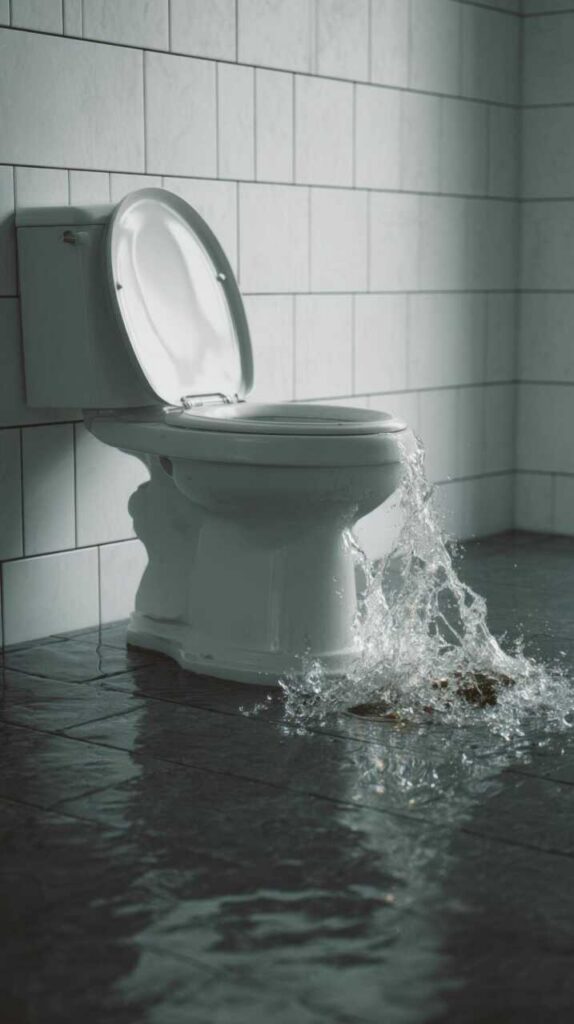
It’s often said that floods bring more than just water—they introduce serious health risks. This theory holds weight, particularly when sewage is involved. Contaminated floodwater can be a breeding ground for pathogens, threatening your safety and that of vulnerable individuals. Understanding the necessity of proper sewage cleanup protocols isn’t just about restoring order; it’s about safeguarding health and preventing long-term damage. What happens if these protocols are ignored?
Key Takeaways
- Following proper protocols minimizes health risks from pathogens and contaminants in floodwater, protecting yourself and others from infections.
- Effective cleanup prevents long-term mold issues, which can worsen health conditions, especially for vulnerable populations like infants and the elderly.
- Professional services ensure thorough assessment and remediation, addressing structural damage and preventing further property loss due to improper cleanup.
- Compliance with safety regulations reduces the risk of cross-contamination, ensuring that unaffected areas remain safe and hygienic.
- Using specialized equipment and trained experts ensures complete removal of contaminants, creating a safer environment post-cleanup.
Effective Steps for Sewage Cleanup
When dealing with sewage cleanup after a flood, it’s crucial to act swiftly and methodically to minimize health risks and property damage.
First, assess the area for floodwater hazards, such as contaminated water or debris.
Make sure you’ve got your cleanup techniques in place; start by removing standing water using pumps and wet vacs.
Next, scrub all surfaces with a mixture of water and disinfectant to eliminate bacteria.
Remove any soaked materials, like carpets or drywall, as they can harbor pathogens.
Ensure proper ventilation to dry out the space, and wear protective gear to safeguard your health.
Finally, document the damage for insurance purposes.
Following these steps helps restore safety and order to your environment.
Essential Safety Gear for Sewage Cleanup
When tackling sewage cleanup after floods, wearing the right protective equipment is essential for your safety.
You’ll need gloves, masks, and waterproof boots to shield yourself from harmful contaminants.
Additionally, maintaining proper personal hygiene practices will help prevent health risks during and after the cleanup process.
Recommended Protective Equipment
In sewage cleanup after floods, having the right protective equipment is essential to ensuring your safety. Start with waterproof gloves to shield your hands from contaminants. A sturdy pair of rubber boots is a must, as they protect your feet from hazardous substances.
Consider wearing coveralls to limit skin exposure, and always don a mask or respirator to guard against inhaling harmful particles. Goggles can protect your eyes from splashes and debris.
Personal Hygiene Practices
Maintaining personal hygiene during sewage cleanup is essential for your health and for preventing the spread of harmful bacteria and pathogens.
To ensure your safety, start by wearing gloves and masks to limit exposure. Once you’ve completed the cleanup, prioritize personal sanitation by thoroughly washing your hands using proper handwashing techniques. This means scrubbing with soap for at least 20 seconds, especially under your nails and between fingers.
Avoid touching your face during the process. If soap and water aren’t available, use a hand sanitizer with at least 60% alcohol.
Adhering to these practices protects you and fosters a sense of community responsibility, ensuring everyone stays safe and healthy in the aftermath of flooding.
Why Cleaning Up Sewage Wrong Can Be Dangerous?
Cleaning up sewage improperly can pose serious health risks and exacerbate property damage, as contaminated water often harbors harmful pathogens. When you expose yourself to sewage, you’re at risk for infections and diseases that can affect both your health and your loved ones.
Improper cleanup can lead to lingering contaminants, creating an unsafe environment long after the floodwaters recede. Additionally, ignoring proper protocols can damage your property further, leading to costly repairs and long-term issues like mold growth.
Understanding these risks emphasizes the importance of following established sewage cleanup protocols. By taking the right precautions, you protect your health and foster a safer community for everyone involved.
It’s a collective responsibility that shouldn’t be taken lightly.
What Contaminants Should You Watch Out For in Floodwater?
When floodwater enters your home, it often carries harmful contaminants that can pose serious health risks.
You should be particularly cautious of pathogens and bacteria, which thrive in these conditions, as well as various chemical pollutants that can leach into the water.
Recognizing these hazards is essential for effective cleanup and safeguarding your health.
Pathogens and Bacteria Risks
Although floods can bring a sense of urgency, it’s vital to understand the serious health risks posed by contaminated water. Floodwater can harbor various pathogens, increasing the likelihood of bacterial infections and viral pathogens due to sewage exposure.
Here are some key contaminants to watch out for:
E. coli – Often found in fecal matter, it can lead to severe gastrointestinal issues.
Salmonella – Another bacterial threat that can cause food poisoning-like symptoms.
Hepatitis A – A viral pathogen that can spread through contaminated water, leading to liver disease.
Giardia – A parasite that can cause significant digestive issues.
Being aware of these risks is vital for your health and safety during cleanup efforts.
Chemical Contaminant Concerns
In addition to the biological hazards posed by floodwater, chemical contaminants present serious risks that can complicate cleanup efforts. You should be particularly aware of potential chemical exposure from various contamination sources, including industrial waste, agricultural runoff, and household products.
These substances can include heavy metals, pesticides, and solvents that may harm your health and the environment. During the cleanup process, it’s essential to identify and mitigate these risks.
Wearing appropriate protective gear and using proper methods to handle contaminated materials can greatly reduce your exposure. Remember, thorough assessments and appropriate safety measures are critical to safeguard yourself and your community against the long-term effects of chemical contamination.
Why Professional Sewage Cleanup Services Are Essential
While tackling sewage cleanup after a flood might seem manageable, the reality is that professional services are essential for ensuring safety and thoroughness.
Attempting to handle sewage remediation on your own can expose you to various health hazards, including:
Bacterial Infections: Contaminated water can carry harmful pathogens.
Mold Growth: Delayed cleanup can lead to mold, posing respiratory risks.
Structural Damage: Professionals assess and address potential damage that you might overlook.
Specialized Equipment: Experts use advanced tools to ensure complete removal of contaminants.
Investing in professional sewage cleanup services safeguards your health and effectively restores your home, ensuring a safe environment for you and your loved ones.
Don’t compromise on safety; let the professionals handle it.
How to Prevent Sewage Issues After Flooding
To effectively prevent sewage issues after flooding, it’s crucial to implement proactive measures before, during, and after a flood event.
Start with flood prevention strategies like elevating utilities and sealing basement walls to minimize water entry.
During a flood, monitor local conditions and avoid using plumbing systems, as this can exacerbate sewage problems.
After flooding, conduct thorough inspections of your sewage management systems. Check for blockages, damage, or contamination, and confirm proper drainage to prevent backups.
Consider consulting professionals for detailed assessments.
Maintaining your sewage infrastructure and being vigilant can greatly reduce the risk of sewage-related issues, fostering a safer community and protecting your home from future flood impacts.
Identifying and Tackling Mold Growth Post-Flood
After a flood, identifying and tackling mold growth is essential, as it can pose serious health risks and structural damage if left unchecked.
Here’s how you can effectively manage mold post-flood:
Inspect for Moisture: Check hidden areas like basements and behind walls where moisture might linger.
Mold Identification: Look for visible signs of mold, which can appear as black, green, or white spots.
Remediation Techniques: Use proper methods such as sealing off the affected area, wearing protective gear, and using mold-killing solutions.
Prevent Future Growth: Ensure good ventilation and reduce humidity levels to deter mold recurrence.
Frequently Asked Questions
How Long Does Sewage Cleanup Typically Take After a Flood?
Sewage cleanup after a flood typically takes several days to weeks, depending on the flood duration and extent of contamination. Delaying proper cleanup increases health risks, so address the situation promptly to ensure safety.
Can I Handle Sewage Cleanup Without Professional Help?
You shouldn’t handle sewage cleanup alone; the sewage hazards and contamination sources pose serious health impacts. DIY risks can lead to inadequate sanitation, worsening the situation. It’s best to call professionals for safety and effectiveness.
What Are the Costs Associated With Sewage Cleanup Services?
Sewage cleanup costs can hit you like a surprise bill; expect expenses for specialized cleanup equipment and labor. Factors like sewage contamination severity and property size also influence the total, so budget accordingly for effective recovery.
How Do I Know if My Home Is Safe Post-Cleanup?
To know if your home’s safe post-cleanup, check for lingering flood damage and ensure all areas are thoroughly disinfected. If you detect odors or mold, it signifies potential health risks, so reassess before re-entering.
Are There Insurance Claims Available for Sewage Cleanup Expenses?
Yes, you can often claim insurance coverage for sewage cleanup expenses. Check your policy for specific terms, as coverage varies. Document all costs and communicate with your insurer to ensure you receive the assistance you need.
Recap
In the aftermath of a flood, ignoring proper sewage cleanup protocols can be like playing with fire—dangerous and potentially devastating. By following established procedures, you’re not just protecting your property; you’re safeguarding your health and the well-being of those around you. Just as Odysseus took great care to navigate perilous waters, you too must be vigilant in addressing sewage issues to prevent long-term consequences, ensuring a safer environment for your family and community.