
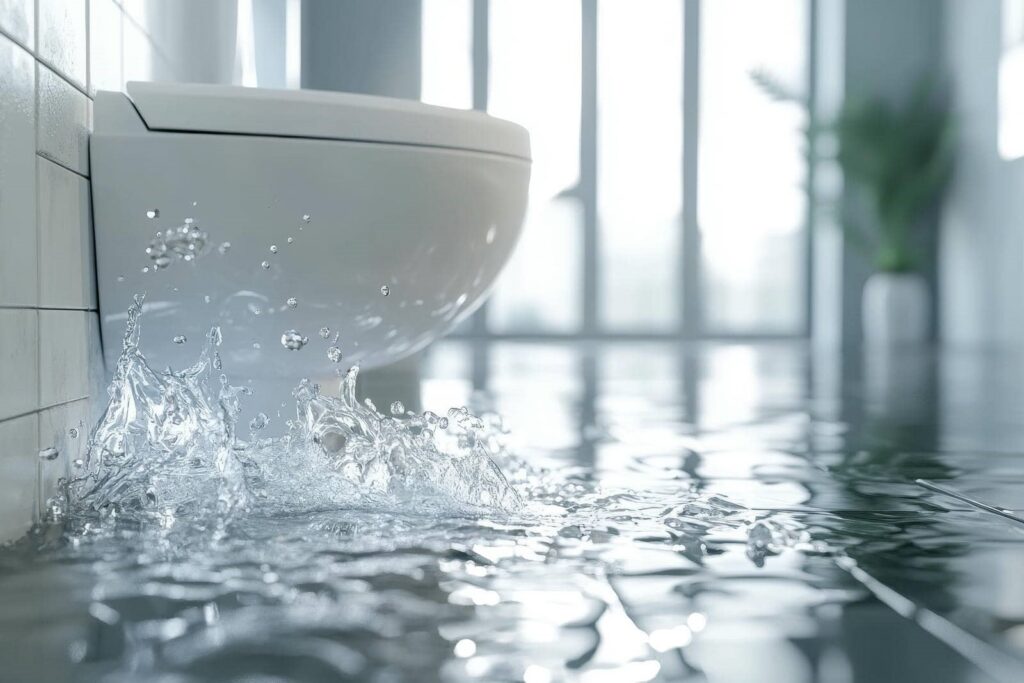
You might think flood damage is just waterlogged furniture, but sewage contamination poses serious health risks that can linger long after the floodwaters recede. It’s essential to act quickly and follow proper sewage cleanup protocols to ensure your safety. From wearing protective gear to using the right disinfectants, each step is critical. Understanding these procedures can make the difference between a safe recovery and a health crisis. What should you prioritize first?
Key Takeaways
- Wear appropriate personal protective equipment (PPE), including gloves, masks, and boots, before entering contaminated areas.
- Ensure the area is ventilated by opening windows and using fans to reduce airborne contaminants.
- Use heavy-duty trash bags for waste disposal and commercial-grade cleaning solutions specifically designed for sewage cleanup.
- Apply disinfectants, such as diluted bleach or quaternary ammonium compounds, to sanitize surfaces effectively.
- If contamination is extensive or odors persist, hire professionals for a thorough assessment and cleanup.
What Are the Risks of Sewage Exposure After Flooding?
After flooding, exposure to sewage poses significant health risks that you shouldn’t underestimate. The contamination risks are severe, as pathogens can lead to disease transmission, impacting your health and that of your community.
Sanitation issues arise immediately, with contaminated water threatening local ecosystems and creating long-term effects on the environment. You may experience exposure symptoms like nausea, diarrhea, or skin irritation.
It’s essential to understand these health hazards and adhere to safety protocols when cleaning up. If you overlook these risks, you could face ongoing health problems, further complicating recovery efforts.
Prioritizing safety protects you and fosters a sense of belonging within your community as you work together to restore a healthy environment.
Initial Safety Steps for Sewage Cleanup
When it comes to sewage cleanup, prioritizing safety is essential to protect yourself and others. Start by ensuring you have proper flood preparation in place before entering contaminated areas.
Wear protective gear, including gloves, masks, and boots, to minimize exposure to harmful pathogens. Familiarize yourself with health guidelines specific to sewage cleanup; this knowledge can help you navigate potential hazards effectively.
Before beginning, turn off the electricity in affected areas to prevent electrocution. Ventilate the space by opening windows and using fans, which can help dissipate harmful fumes.
If the situation seems overwhelming, don’t hesitate to contact professionals. Your safety and health should always come first during these critical initial steps in sewage cleanup.
Essential Tools for Sewage Cleanup
When tackling sewage cleanup, having the right tools is vital for both safety and effectiveness.
You’ll need proper personal protective equipment to safeguard yourself against harmful pathogens and contaminants.
Additionally, effective cleaning and disinfection supplies are essential to restore the area to a safe condition.
Personal Protective Equipment
To tackle sewage cleanup safely, you need the right Personal Protective Equipment (PPE). Start with durable safety gear, including rubber gloves and waterproof boots, to protect your skin from harmful contaminants.
Wear protective clothing, like coveralls, to create a barrier against pathogens. Respiratory protection is important; use a mask with a proper filtration system to guard against airborne particles and fumes.
Conduct a hazard assessment before beginning any cleanup to identify specific risks in your environment. Implementing effective contamination control measures is essential to minimize exposure.
Cleaning and Disinfection Supplies
Effective sewage cleanup demands a range of specialized cleaning and disinfection supplies. To ensure a thorough and safe process, you need to equip yourself with the right tools.
Here are essential items to take into account:
- Heavy-duty trash bags for waste disposal
- Commercial-grade cleaning solutions designed for sewage
- Disinfectants that comply with EPA standards
- Mops and sponges resistant to bacterial growth
- Protective gloves and masks for personal safety
Utilizing effective disinfection methods and high-quality cleaning solutions is crucial in mitigating health risks.
Make sure you have these supplies on hand to facilitate a complete and responsible cleanup, fostering a safer environment for everyone involved.
How to Clean Up Sewage After Flooding
After flooding, dealing with sewage cleanup requires immediate action to prevent health hazards and property damage.
Start by evaluating the affected area for floodwater contaminants, which can include bacteria, viruses, and chemicals. Wear protective gear like gloves, masks, and boots to safeguard your health.
Next, use appropriate sewage removal methods, such as pumps or wet vacuums, to eliminate standing water. Dispose of contaminated materials, including carpets and drywall, according to local regulations.
Clean and sanitize surfaces with a mixture of water and a suitable disinfectant to reduce risks of illness.
Lastly, ensure proper ventilation to aid in drying and minimizing mold growth. Taking these steps will help restore your space while protecting your well-being.
Effective Sewage Disinfection Techniques
While cleaning up sewage, ensuring thorough disinfection is crucial to eliminate harmful pathogens and prevent future health risks.
You’ll need to address biological contaminants effectively. Here are some sanitation methods you can use:
- Chlorine Solutions: Use diluted bleach to disinfect surfaces.
- Quaternary Ammonium Compounds: Apply these for effective microbial control.
- Hydrogen Peroxide: Utilize it for its strong oxidizing properties.
- Steam Cleaning: Employ steam to sanitize without chemicals.
- UV Light Systems: Consider UV light for its efficacy in killing pathogens.
Each method plays a significant role in restoring safety to affected areas.
When Should You Hire Professionals for Sewage Cleanup?
Disinfection methods are essential, but there are situations where handling sewage cleanup on your own isn’t advisable.
If you encounter significant sewage contamination, such as extensive flooding or visible waste, it’s vital to hire professionals. They’ve the necessary training and protective gear to handle hazardous materials safely, minimizing your exposure to health hazards.
Additionally, if you’re unsure about the extent of the contamination, professionals can assess the situation accurately, ensuring all affected areas are treated.
If you notice persistent odors or mold growth after initial cleanup, it’s another sign that expert intervention is needed.
How to Prevent Future Sewage Problems
To prevent future sewage problems, it’s essential to maintain your plumbing system proactively. Regular upkeep ensures functionality and safeguards against potential flooding.
Implement these sewage system maintenance and flood prevention strategies:
- Inspect pipes for leaks or blockages regularly.
- Install backflow prevention devices to stop sewage from entering your home.
- Clear gutters and downspouts to direct water away from your foundation.
- Maintain landscaping to promote proper drainage and avoid pooling water.
- Educate household members about what can and can’t be flushed.
Frequently Asked Questions
How Long Does Sewage Contamination Last After Flooding?
Sewage contamination can last several days to weeks after flooding, depending on conditions like temperature and water exposure. For effective flood recovery, act quickly to minimize contamination duration and ensure a safe environment for everyone.
Can I Use Regular Cleaning Products for Sewage Cleanup?
Can you really trust regular cleaning products for sewage cleanup? They often lack the potency needed to eliminate health risks and contamination sources. For safety, use specialized products designed for handling hazardous waste effectively.
What Should I Wear During Sewage Cleanup?
Wear waterproof boots, gloves, goggles, and a mask to ensure your safety during sewage cleanup. Following safety guidelines is essential; protective gear minimizes exposure to harmful pathogens and keeps you safe throughout the process.
Are Pets Safe During Sewage Cleanup?
No, pets aren’t safe during sewage cleanup. Keep them away from the area. Implement protective measures, such as barriers and secure containment, to ensure their safety from harmful contaminants and potential health risks associated with sewage exposure.
How Can I Tell if Sewage Is Present?
To detect sewage, look for flood damage indicators like a foul odor, dark stains, or unusual puddles. Utilize sewage detection methods such as water testing or visual inspection to ensure your safety and health.
Conclusion
You should prioritize safety, equip yourself with protective gear, and ensure proper ventilation. You must also utilize heavy-duty waste disposal methods and apply effective disinfection techniques. By following these steps, you can minimize health risks, restore your environment, and prevent future sewage issues. Remember, when in doubt, don’t hesitate to hire professionals to handle severe contamination. Your health and safety are paramount, and taking action now can save you from bigger problems later.