
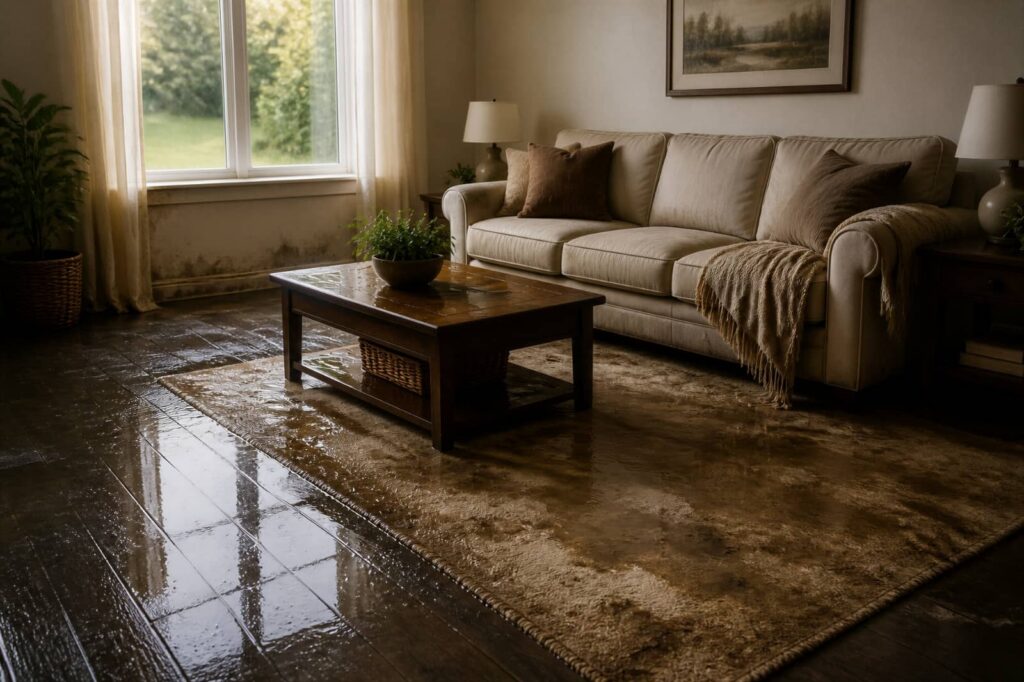
When floodwater enters your home, how do you stop damage before it spreads? Flooded House Cleanup starts by removing standing water quickly, inspecting structural materials, sanitizing contaminated surfaces, and drying walls, floors, and furniture to control moisture. You also need to document losses, prevent mold growth, and determine which repairs require professional restoration. The real challenge is knowing when basic cleanup ends and full recovery begins.
Key Takeaways
- Flooded house cleanup removes standing water quickly to reduce structural damage, mold growth, and safety hazards.
- Restoration includes drying, sanitizing, and repairing affected areas, contents, and building materials.
- Professionals assess hidden damage in walls, flooring, electrical systems, HVAC, and insulation after water removal.
- Proper cleanup uses pumps, vacuums, dehumidifiers, and air movers to dry the home thoroughly.
- Early intervention protects health, lowers repair costs, and improves the chances of saving the property.
Emergency Water Removal After Flooding
When floodwater enters your home, you need to remove it as quickly as possible to limit structural damage, reduce the risk of mold growth, and protect electrical and HVAC systems.
You should shut off power only if it’s safe, then contact emergency services and a qualified water removal team. Use flood response strategies that prioritize extraction, moisture mapping, and controlled ventilation.
Portable pumps, wet vacuums, and truck-mounted extractors can lower water levels fast, but you need to match equipment to depth and contamination.
You’ll protect your home best when you document conditions, isolate affected areas, and keep family members out of standing water. Acting promptly helps you join a coordinated recovery effort and reduces secondary losses.
If water reaches wall cavities or subfloors, professional intervention can limit hidden damage.
What Flooded House Cleanup Includes
Flooded house cleanup starts with controlled water removal using pumps, extractors, and moisture monitoring to reduce further saturation.
You then assess structural materials, contents, and hidden moisture to identify damage, contamination, and required repairs.
After that, you sanitize affected areas with approved disinfectants to eliminate microbial growth and restore safe indoor conditions.
Water Removal Steps
Once the area is safe to enter, water removal starts immediately because standing water can cause structural damage and accelerate mold growth.
You’ll typically begin with water extraction using truck-mounted vacuums, portable pumps, and weighted wands to pull water from floors, carpets, and subflooring.
Technicians then use squeegees and moisture-lift tools to move trapped water from edges and low spots.
In homes with flood damage, they may also remove soaked padding to speed drying and prevent contamination spread.
You’ll see careful work around cabinets, wall cavities, and hard-to-reach corners so no pooled water remains.
This stage sets up the rest of the cleanup by reducing humidity, limiting secondary damage, and helping your space return to a safe, stable condition.
Damage Assessment Process
After the bulk water is removed, the next step is a thorough damage assessment to determine what can be salvaged and what needs repair or replacement. You’ll document every impacted area, then compare visible conditions with hidden risks to guide damage evaluation and protect structural integrity.
Check flooring for swelling, wall cavities for warping, and framing for sagging or separation. You’ll also inspect electrical, HVAC, cabinetry, and insulation for moisture-related loss.
- Measure moisture levels in materials
- Photograph each affected room
- Mark compromised finishes and supports
- Note odor, staining, and distortion
- Prioritize components by repairability
This process helps you stay organized, make informed decisions, and work with a team that understands your home’s recovery.
Sanitizing Affected Areas
Sanitizing affected areas is a critical part of flooded house cleanup because standing water can leave behind bacteria, sewage contamination, mold spores, and other biohazards on porous and nonporous surfaces.
You’ll need targeted sanitization techniques to treat walls, floors, cabinets, and fixtures after debris removal and drying. Professionals often apply approved chemical agents at the correct dilution and dwell time to reduce microbial load without damaging materials.
You should expect high-touch surfaces, HVAC components, and hidden voids to receive extra attention, since contamination often settles there. This step helps restore a safer indoor environment and supports your return to a healthy home.
When you follow a methodical protocol, you protect your household, reduce odors, and make the space feel truly yours again.
Drying Walls, Floors, and Furniture
Before you move any furnishings back into place, you need to dry all affected surfaces thoroughly to prevent hidden moisture from causing warping, mold growth, or structural damage.
You’ll protect structural integrity by removing baseboards, lifting carpets, and opening wall cavities where needed. Use dehumidifiers, air movers, and steady humidity control to pull moisture from framing, subfloors, and upholstery.
Check wood, drywall, and fabric with a moisture meter until readings normalize.
- Fan-directed airflow across floors
- Dehumidifier drains filling quickly
- Furniture raised on blocks
- Damp drywall edges exposed
- Moisture meter readings dropping steadily
You and your crew should keep temperatures stable, rotate cushions, and separate items so air can circulate freely.
When each surface feels dry and readings match unaffected areas, you can begin careful reassembly with confidence.
Preventing Mold After Flood Damage
You need to start rapid drying immediately by using dehumidifiers, high-velocity air movers, and targeted ventilation to reduce surface and structural moisture before mold can colonize.
You should monitor moisture at multiple depths with a calibrated meter, checking walls, flooring, and concealed cavities until readings return to acceptable baseline levels.
Keep tracking humidity and temperature throughout the cleanup so you can confirm drying progress and prevent hidden moisture from triggering mold growth.
Rapid Drying Methods
Rapid drying is the critical next step after floodwater removal because mold can begin colonizing damp materials within 24 to 48 hours.
You should position high-capacity air movers to drive air circulation across wet floors, baseboards, and wall cavities, then pair them with dehumidifiers that maximize dehumidifier efficiency.
Keep doors open between affected rooms so airflow stays balanced, and remove saturated porous items that can’t dry quickly.
- Aim fans along surfaces, not at random angles
- Use sealed extraction routes to reduce humidity spikes
- Lift rugs and padding for faster evaporation
- Clear debris so air reaches hidden wet zones
- Keep HVAC off if it spreads moisture
When you work methodically, you protect your home and join a recovery process that feels controlled, not overwhelming.
Moisture Monitoring Steps
As drying continues, monitor moisture levels closely so hidden dampness doesn’t turn into mold growth.
You should map each room, then test walls, baseboards, subfloors, and insulation for lingering wet spots. Use monitoring tools such as pin meters, hygrometers, and thermal cameras to compare readings over time, and record results daily.
Check likely moisture sources, including plumbing lines, window frames, crawlspaces, and saturated contents, because they can keep re-wetting nearby materials.
Keep air movers and dehumidifiers running until readings match unaffected areas. If one zone stays elevated, isolate it and inspect for trapped water.
When you track changes methodically, you protect your home and stay confident that your cleanup crew is making real progress together.
How Flood Restoration Works
Flood restoration starts with a rapid assessment of the damage, followed by water extraction, drying, cleaning, and structural repair. You’ll document losses for flood insurance claims while technicians position restoration equipment to remove standing water and lower humidity.
Next, you’ll see affected materials sorted, sanitized, and tested so hidden moisture doesn’t spread. Your home’s framing, subflooring, and finishes get checked for warping, contamination, and weakened joints.
- Pumps pull water from floors
- Air movers accelerate evaporation
- Dehumidifiers stabilize indoor humidity
- Antimicrobial treatments limit growth
- Repairs restore safe, usable rooms
You’re not just fixing surfaces; you’re reclaiming a healthy space where your household can feel secure again.
When to Call Flood Damage Pros
You should call flood damage pros as soon as standing water, soaked drywall, or contaminated materials are involved, because delays can drive structural decay and microbial growth.
If water has reached insulation, electrical systems, subfloors, or HVAC components, you need certified technicians who can assess moisture, extract water, and dry assemblies with calibrated equipment. They’ll also document losses for flood insurance claims and help you avoid coverage gaps.
Use homeowner tips like shutting off power, moving valuables, and photographing damage before crews arrive. When odors, discoloration, or swelling persist after 24 hours, professional remediation becomes essential.
You’re not overreacting by asking for help early; you’re protecting your home, your health, and your restoration timeline with the right team.
Frequently Asked Questions
How Long Does Flooded House Cleanup Usually Take?
It usually takes you 3-10 days for minor flood damage, but a full cleanup timeline can stretch weeks if drying, demolition, and repairs are extensive. You’ll get faster results with prompt, professional mitigation.
Can Insurance Cover Temporary Housing After Flooding?
Yes, your insurance policies can often cover temporary housing after flooding. Like a bridge during repair, it keeps you connected. You’ll need loss-of-use coverage, documentation, and adjuster approval; check limits, exclusions, and deductibles quickly.
What Items Are Safest to Discard After Floodwater Exposure?
You should discard porous items like mattresses, carpets, drywall, insulation, paper goods, and food-contact materials after floodwater exposure; they trap flood damage and hazardous materials, so you’ll reduce contamination risk and protect your household.
How Soon Should Electrical Systems Be Inspected After Flooding?
You should inspect electrical systems before you power up again; floodwater turns hidden wires into silent sparks, so your electrical safety depends on a rapid inspection timeline by a licensed electrician and utility clearance.
Do Flooded Homes Need Air Quality Testing Afterward?
Yes, you should test air quality after flooding because airborne contaminants and mold growth can linger. You’ll protect your home, family, and recovery team by identifying hidden hazards early and guiding proper remediation quickly.
Final Thoughts
Flooded house cleanup and restoration helps you stop damage fast, dry structural materials, and reduce mold risk before it spreads like wildfire. You’ll remove standing water, sanitize affected surfaces, and restore walls, floors, and furniture with careful moisture control and documentation. If the damage is extensive or hidden behind materials, you should call flood restoration pros. Acting quickly can save you thousands in repairs and protect your home’s safety, stability, and long-term value.