
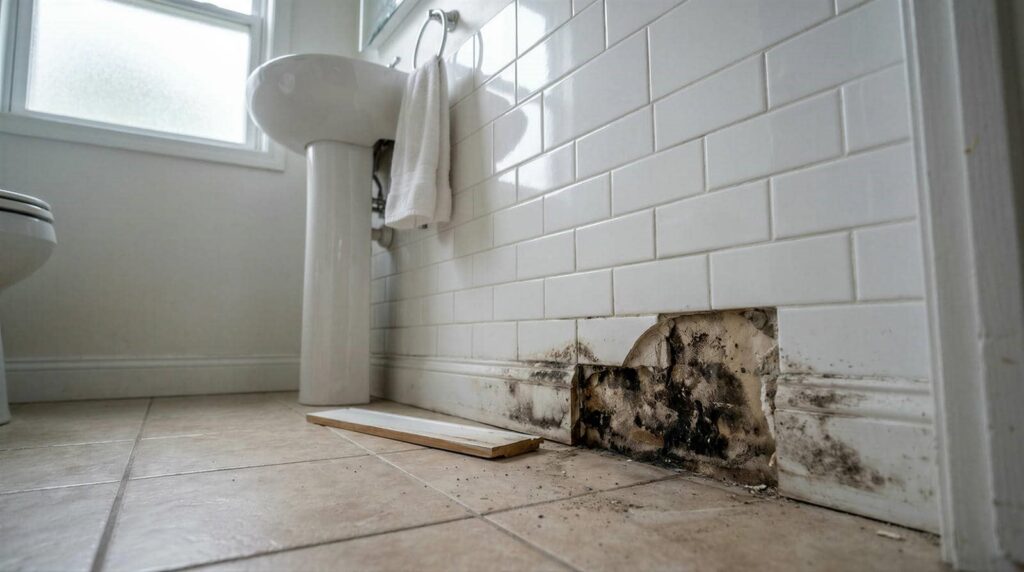
When your property takes on water, you’re not just dealing with visible damage—you’re creating the conditions mold needs to start growing fast. Moisture trapped in drywall, carpet, or framing can stay hidden long after surfaces look dry, and that’s when remediation becomes urgent. You need to know why drying comes first, what mold can do next, and how fast a small leak can turn into a larger problem.
Key Takeaways
- Mold remediation follows water damage because mold can begin growing within 24 to 48 hours on damp porous materials.
- Leaks, flooding, and condensation leave hidden moisture that supports mold growth in walls, flooring, and insulation.
- Warm temperatures and poor airflow keep surfaces damp, making contaminated areas more likely to spread mold.
- Visible mold, musty odors, and water stains signal active or hidden contamination that needs prompt cleanup.
- Remediation removes moisture, dries materials, and prevents further mold growth before damage worsens.
What Causes Mold After Water Damage?
Mold starts after water damage when moisture lingers long enough for spores to germinate and colonize porous materials like drywall, wood, carpet, and insulation.
You create conditions that let mold spores settle, feed, and spread when leaks, flooding, or condensation soak materials. Warm temperatures and poor airflow raise humidity levels, so surfaces stay damp and resistant to drying.
If you don’t remove water quickly, hidden cavities, underlayment, and wall framing can stay wet even after the visible area looks fine.
You protect your space by drying affected materials, fixing the moisture source, and checking for trapped water in corners and behind finishes.
When you act early, you help keep your home safer, cleaner, and more comfortable for everyone there.
How Fast Mold Grows Indoors
Once moisture is present, mold can begin growing in as little as 24 to 48 hours, especially on porous materials that stay damp. You need to act quickly because the mold lifecycle accelerates when warmth, humidity, and organic debris create ideal growth conditions.
If you dry materials fast, you can interrupt colonization before spores establish visible colonies.
- Check for dampness daily after any leak or flood.
- Run dehumidifiers and increase airflow right away.
- Remove wet materials that can’t dry within 48 hours.
When you understand how fast mold grows indoors, you can make informed decisions and protect your home with confidence.
Early response helps you stay ahead of hidden damage, reduce remediation costs, and keep your space healthier for everyone inside.
Where Mold Spreads After Water Damage
After water damage, mold often spreads into hidden wall cavities where moisture lingers out of sight.
You’ll also find growth in damp flooring layers, especially beneath carpet, underlayment, and subflooring.
You need to inspect these concealed areas quickly, since trapped moisture can keep mold active and expanding.
Hidden Wall Cavities
Behind a single wet wall, mold can spread quickly through hidden cavities, feeding on damp insulation, drywall, and wood framing you may not see from the room itself.
You need targeted wall inspections to find hidden moisture before spores colonize deeper materials. Look for soft spots, staining, bubbling paint, or musty odor, and verify with a moisture meter. If your readings stay elevated, open the cavity only after containment planning so you protect your household and keep repairs focused.
- Check baseboards and outlet covers for clues.
- Inspect around plumbing, windows, and exterior sheathing.
- Document conditions so you can coordinate remediation fast.
Damp Flooring Layers
Wet layers underfoot can trap moisture long after the surface looks dry, and that’s where mold often takes hold in flooring assemblies. You may see buckling, soft spots, or a musty odor before you notice the real problem below.
Water can seep into carpet pad, underlayment, subflooring, and even damp insulation near slab edges or crawlspaces. Once trapped, moisture lingers against porous flooring materials, feeding hidden growth that spreads quickly in warm, stagnant conditions.
You’ll need to lift affected sections, measure moisture, and dry each layer with airflow and dehumidification. If contamination has started, remove damaged materials promptly so your home stays healthier and your space feels safe again.
Signs You Need Mold Remediation Now
If you notice musty odors after water damage, you should treat them as an early warning of hidden mold growth.
Visible mold on walls, ceilings, or materials means contamination is already active and needs prompt remediation.
Water stains also signal past moisture intrusion, and you should inspect those areas immediately for concealed mold.
Musty Odors
A persistent musty odor often signals hidden mold growth after water damage, especially when the smell lingers after surfaces dry. You shouldn’t ignore it, because odor can travel through cavities, HVAC ducts, and damp materials.
Use mold identification techniques to trace musty odor sources, including baseboards, insulation, carpet padding, and wall voids. If the scent strengthens in closed rooms or after humidity rises, moisture may still be feeding microbial activity.
- Check areas that stayed wet longer than 24–48 hours.
- Note any odor shifts near closets, vents, or sinks.
- Schedule professional inspection if cleaning doesn’t reduce the smell.
When you act early, you protect your home’s air quality and stay connected to a healthier living space for everyone inside.
Visible Mold Growth
Visible mold growth is a clear sign you need remediation now, because once colonies appear on walls, ceilings, flooring, or contents, the damage often extends beyond the visible surface. You may see green, black, white, or fuzzy patches, and each can signal different mold types that thrive after moisture intrusion.
Don’t scrub it and hope for the best; you need containment, source control, and professional removal to limit spread. When colonies expand, spores can enter your air and raise health risks, especially if you live with allergies, asthma, or immune concerns.
Act quickly so your space stays safe, clean, and livable. If you spot growth, treat it as a project for your team, not a DIY cleanup.
Water Stains
Water stains often show up before mold does, and they’re a strong warning that moisture has already penetrated building materials. You’ll usually see them on ceilings, drywall, baseboards, or around windows after a leak.
Even if the spot looks dry, trapped moisture can keep feeding mold behind the surface. For your home’s safety, inspect stained areas for soft drywall, peeling paint, or musty odors.
Prompt water stain removal helps you limit damage, but you also need the source fixed to stop recurrence.
- Check plumbing, roofing, and HVAC for active leaks
- Dry materials quickly to support water damage prevention
- Call for mold remediation if stains spread or darken
How Mold Remediation Prevents Further Damage
When mold starts growing after water damage, it can quickly spread through porous materials, weaken structural components, and worsen indoor air quality. Prompt remediation helps stop small problems from turning into costly repairs.
You interrupt the mold lifecycle by removing moisture, drying affected areas, and treating contaminated surfaces before colonies mature. Effective remediation techniques also limit hidden spread behind walls, under floors, and inside insulation, where damage can keep growing unnoticed.
When you act fast, you protect framing, drywall, and finishes from decay and reduce the chance of recurring outbreaks. You also help your home stay healthier for everyone inside, which gives you confidence that you’re taking the right steps with your space and the people who share it.
What the Pros Check During Mold Remediation
During mold remediation, pros inspect more than the obvious growth to find the source of moisture, the full extent of contamination, and any materials that can’t be salvaged.
You’ll see them use mold inspection techniques to map affected zones, test suspect surfaces, and verify whether porous materials need removal. They also perform an air quality assessment to compare indoor spore levels before, during, and after cleanup.
- Check drywall, insulation, and framing for visible colonies
- Measure humidity, ventilation, and dampness in hidden cavities
- Document conditions so you know the work meets standards
This process helps you stay informed, protect your space, and work with a team that treats your home like part of the community.
Why Hidden Moisture Keeps Mold Growing
Hidden moisture keeps mold growing because it creates a steady, protected source of dampness that surface drying can’t fix.
You may wipe walls clean and still leave moisture retention inside insulation, behind baseboards, or under flooring. In those concealed spaces, mold gets the stable conditions it needs to spread.
You can’t rely on appearance alone; you need to measure dampness with tools and inspect materials that hold water. Good humidity control also matters, because elevated indoor moisture can keep hidden areas from fully recovering.
When you address these trapped reservoirs early, you protect your home’s structure and your household’s comfort.
That’s why experienced teams look beyond visible stains and focus on the places where water lingers out of sight.
Why Drying Comes Before Mold Removal
Drying has to come before mold removal because you can’t stop growth in materials that still hold moisture. When you use proven drying techniques, you lower the water available to spores and make cleanup more effective.
You also help your team work with safer, more stable surfaces instead of damp drywall, wood, or insulation. Strong air circulation moves humid air away and supports faster evaporation, especially in hidden cavities.
- Measure moisture before you remove anything.
- Use targeted drying equipment to reach saturated areas.
- Verify that materials feel and test dry.
When you handle drying first, you join a process that’s more precise, efficient, and less likely to miss lingering contamination.
That order gives you a cleaner result and a better foundation for the next remediation step.
How to Prevent Mold After Water Damage
To prevent mold after water damage, you need to remove moisture fast and keep the area dry long enough for every affected material to stabilize.
Start your post water cleanup by extracting standing water, opening hidden cavities, and running dehumidifiers continuously. Remove soaked carpet pad, drywall, insulation, and porous contents that can’t dry within 24 to 48 hours.
Clean hard surfaces with detergent, then disinfect if needed. Improve airflow with fans, but don’t blow across contaminated debris. Monitor humidity and aim for below 60%.
These mold prevention tips work best when you inspect daily for damp spots, odors, or discoloration.
If you belong to a community of homeowners facing damage, act together, document progress, and call a remediation pro when moisture lingers or growth appears.
Frequently Asked Questions
Can Mold Return After Professional Remediation?
Yes, mold can return after professional remediation if moisture persists or surfaces stay contaminated. You should monitor mold recurrence factors and follow post remediation maintenance, so you protect your space and stay confidently included.
Does Homeowners Insurance Cover Mold Remediation Costs?
Sometimes, yes—homeowners insurance may cover mold remediation costs, but your mold insurance coverage depends on your remediation policy details and the water-damage cause. You’ll need to review exclusions, limits, and claim requirements closely.
Is Mold Remediation Safe for Pets and Children?
Yes, mold remediation can be safe for your pets and children when you leave the area, seal off work zones, and use professional containment. You’ll protect pet safety and child health through proper cleanup, ventilation, and clearance testing.
How Long Does Mold Remediation Usually Take?
You’ll usually spend one to five days on mold remediation, depending on mold growth and remediation techniques. You can expect smaller jobs to finish faster, while larger contamination or hidden moisture often adds extra drying and inspection time.
Can I Stay in My Home During Remediation?
You can stay in your home during remediation if affected areas stay sealed and you follow the remediation process. To stay safe, limit access, use HEPA filtration, and follow your technician’s guidance throughout.
Summary
When water damage hits, you need to act fast before mold gets a foothold. Drying the area, finding hidden moisture, and removing contaminated materials help you stop growth before it spreads. If you wait, mold can sneak into porous surfaces and cause bigger repairs. That’s why remediation follows water damage: you’re cutting the problem off at the pass, protecting your air quality, your structure, and your peace of mind.