
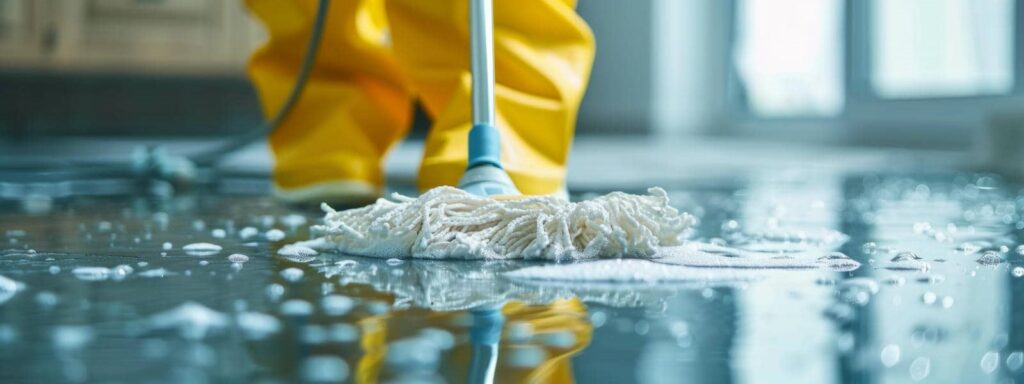
When faced with water damage, your immediate response is essential. Acting quickly can greatly reduce potential losses and complications. You’ll need to gather emergency supplies and start water extraction right away. It’s also important to document the damage and manage utilities for safety. But knowing the fundamental steps to take next can make all the difference in your recovery process. Let’s explore the key strategies that can help you navigate this challenging situation effectively.
Key Takeaways
- Act quickly by extracting water and drying affected areas to prevent mold growth within 24-48 hours.
- Document all damage thoroughly with photos and notes for insurance claims.
- Turn off electricity and water supply to minimize hazards during the recovery process.
- Consider hiring professionals for effective assessment and remediation to avoid hidden issues.
- Establish a structured recovery plan with clear goals to track progress and allocate resources efficiently.
Act Quickly: Essential Steps for Water Damage Recovery
When water damage occurs, acting quickly is essential to minimize destruction and prevent mold growth.
First, gather your emergency supplies, including a pump, wet/dry vacuum, and absorbent materials. Begin water extraction immediately to reduce saturation levels. If possible, identify the source of the water and stop it.
Remove furniture and valuables from affected areas to prevent further damage. Use fans and dehumidifiers to promote drying and ensure proper ventilation.
Document the damage for insurance purposes, taking photos and notes. If the situation seems overwhelming, consider contacting a professional restoration service to assist with the process.
Identify Immediate Risks of Water Damage: What You Need to Know
Although water damage can seem manageable at first, it presents immediate risks that you must recognize to protect your property and health.
Conducting a thorough risk assessment is essential. Here are three immediate risks you should be aware of:
Structural Damage: Excessive moisture from various water sources can weaken walls, ceilings, and floors, leading to potential collapses.
Mold Growth: Standing water creates an ideal environment for mold, which can develop within 24-48 hours, posing health risks.
Electrical Hazards: Water exposure can damage wiring and outlets, increasing the risk of shocks or fires.
Document Everything: What to Capture After Water Damage
To effectively manage the aftermath of water damage, documenting everything is vital. Start by taking clear photos of all affected areas, including structural damage, personal belongings, and any visible mold.
Make notes detailing the date and time of the incident, the source of the water, and the extent of the damage. This documentation is critical for insurance claims, so be thorough.
Keep receipts for any emergency repairs or temporary accommodations you may incur. Follow these documentation tips to create an all-encompassing record that supports your claim.
Don’t forget to document communications with your insurance provider, as this can streamline the recovery process and ensure you receive the support you need.
Turn Off Utilities for Safety During Water Emergencies
During a water emergency, your safety is paramount, so assess immediate risks like electrical hazards.
Quickly locate your main shut-off valves for water, gas, and electricity to prevent further damage.
After shutting off utilities, notify the relevant companies to report the situation and seek assistance.
Assess Immediate Risks
When facing a water emergency, you must first assess immediate risks, starting with the safety of your utilities.
Conducting a thorough risk assessment is essential to protect yourself and your property. Here’s a quick checklist for immediate evaluation:
Turn Off the Electricity: If water is near electrical outlets, switch off the main power supply to prevent electrocution.
Shut Off Water Supply: Stop the flow of water to minimize damage and prevent further flooding.
Check Gas Lines: If you smell gas or suspect a leak, evacuate immediately and contact professionals.
Locate Main Shut-Off
Finding your main shut-off valve quickly is vital in a water emergency. If you’re in a flood zone, knowing this shut-off location can prevent further damage and ensure safety.
Typically, the main water shut-off valve is found near where the water line enters your home, often in basements or utility rooms. If you can’t locate it immediately, refer to your home’s blueprints or reach out to neighbors who might assist.
Practice turning it off regularly so you’re prepared when it counts. In emergencies, every second matters, so be proactive in identifying and accessing this essential valve.
Notify Utility Companies
Contacting utility companies immediately is essential in a water emergency. Notifying them helps ensure safety and allows for a quick response to service interruptions. Here’s what you should do:
Turn Off Utilities: Shut off your electricity, gas, and water to prevent further damage or hazards.
Make Utility Notifications: Inform your utility providers about the situation. This helps them assess the risk and prioritize their response.
Request Special Services: Ask for temporary service interruptions if needed. Some companies may offer assistance in emergencies.
Taking these steps protects your home and fosters community support.
Hire Professionals: When You Need Expert Help
When faced with water damage, hiring professionals can be essential to effective recovery.
Their expertise in water damage restoration ensures that you address the problem accurately, while advanced equipment allows for thorough remediation.
Additionally, their rapid response times can greatly minimize further damage and costs.
Expertise In Water Damage
While some water damage situations may seem manageable, hiring professionals is often vital for effective recovery. Their expertise ensures thorough moisture control and effective restoration techniques, minimizing long-term damage to your property.
Here’s when to call in the pros:
Property Assessment: Professionals conduct detailed home inspections to identify hidden issues.
Insurance Claims: They assist with documentation to streamline your claims process.
Prevention Strategies: Experts offer tailored advice, helping you establish emergency kits and future prevention plans.
Advanced Equipment Utilization
Advanced equipment plays a vital role in effective water damage recovery, ensuring that moisture is thoroughly removed and the affected area is restored efficiently.
When you face significant water intrusion, using professional-grade tools like thermal imaging and moisture detection devices becomes essential. Thermal imaging helps identify hidden moisture behind walls and under floors, which can be missed during a visual inspection.
Meanwhile, moisture detection tools provide precise readings, allowing you to target areas that need immediate attention. Hiring professionals equipped with this advanced technology accelerates the recovery process and ensures a thorough job.
Rapid Response Times
A swift response is essential in mitigating water damage, as delays can lead to more extensive issues such as mold growth and structural damage.
When you face a water emergency, you should prioritize hiring professionals who specialize in rapid assessment and emergency response.
Here are three key reasons to act quickly:
Expert Evaluation: Professionals can identify hidden damage that you might overlook.
Efficient Mitigation: Their trained teams use advanced equipment to contain water and prevent further issues.
Insurance Navigation: Experts help you document the damage, streamlining your insurance claims process.
Prevent Mold Growth: Essential Steps You Must Follow
To effectively prevent mold growth after water damage, it’s vital to act swiftly and systematically. Start with thorough surface cleaning to eliminate any contaminants.
Ensure proper humidity control by using dehumidifiers to maintain levels below 60%. Implement effective ventilation strategies to promote air circulation in affected areas.
Monitor moisture levels regularly, as this is fundamental for mold prevention. If materials are severely damaged, prioritize material removal to prevent spores from spreading.
Establish containment measures to isolate affected zones, limiting mold exposure to other areas. By following these steps, you create a healthier environment, making sure you and your loved ones can feel secure and comfortable in your space.
Create a Recovery Plan for Long-Term Success
While water damage can be overwhelming, creating a structured recovery plan is crucial for long-term success.
A well-defined recovery timeline and effective resource allocation will guide you through the process and ensure nothing is overlooked.
Here are three key steps to contemplate:
Assess Damage: Evaluate the extent of water damage to prioritize areas needing immediate attention.
Set Clear Goals: Establish specific, measurable objectives for recovery to keep you focused and motivated.
Allocate Resources: Identify tools, materials, and personnel required, ensuring you have everything in place for a smooth recovery.
Frequently Asked Questions
How Can I Tell if My Property Has Hidden Water Damage?
You can spot hidden water damage by checking for discoloration on walls, peeling paint, or musty odors. Common causes include leaky pipes, roof issues, or poor drainage. Stay vigilant to protect your property effectively.
What Types of Insurance Cover Water Damage Recovery Costs?
Homeowners’ policies typically cover water damage from sudden incidents, but flood insurance is essential for flood-related events. Review your policy’s coverage limits to ensure you’re adequately protected against potential water damage costs.
Can I Handle Water Damage Recovery Without Professional Help?
You can tackle water damage recovery yourself, like a warrior facing a storm, but embrace DIY techniques and prioritize safety precautions. Knowledge and care ensure you navigate the battle effectively, protecting both your home and well-being.
How Long Does the Water Damage Recovery Process Typically Take?
The water damage recovery process typically takes a few days to weeks, depending on recovery factors like the extent of damage and drying methods. Set realistic timeframe expectations to ensure a smoother, more effective recovery experience.
What Should I Do With Damaged Belongings After Water Exposure?
After water exposure, swiftly salvage soaked items. Sort through belongings, discarding irreparable materials to prevent mold growth. Clean and dry salvageable items promptly, ensuring thorough inspection to maintain their integrity and usability.
Summary
In the whirlwind of water damage recovery, remember that swift action is your lifeline. By following these tips, you’re not just patching up a problem; you’re building a fortress against future issues. Don’t hesitate to seek professional help when needed, and always keep your insurance provider in the loop. With a solid recovery plan and a proactive mindset, you’ll turn this challenge into a stepping stone for a smoother, safer home environment.