
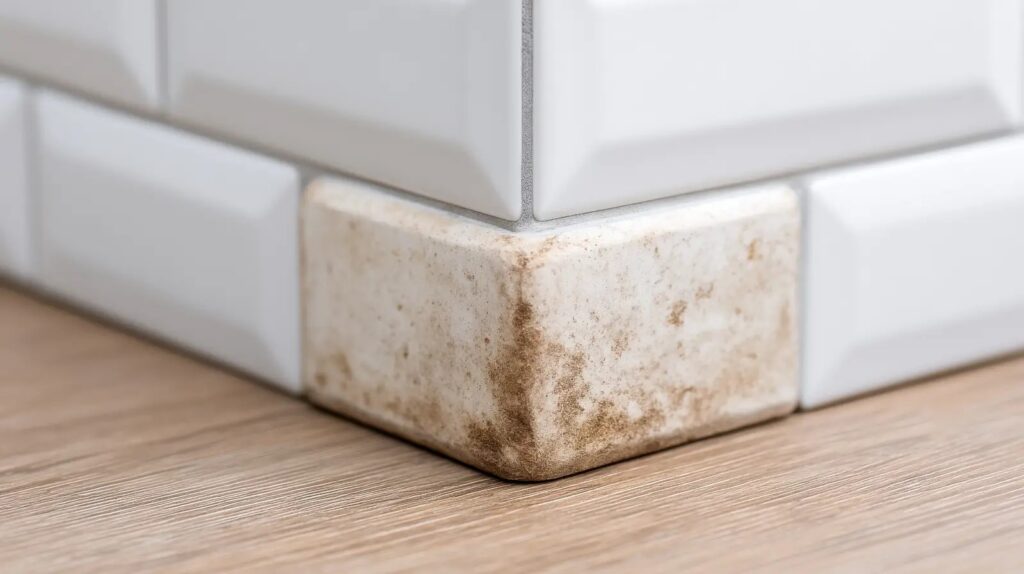
When you encounter black mold in your home, addressing it promptly and safely is vital. You need to equip yourself with the right protective gear and choose effective cleaning solutions. Understanding how to apply these solutions and properly ventilate your space will also play a significant role in the removal process. Furthermore, knowing how to dispose of contaminated materials safely can prevent further issues. Let’s explore these essential tips to ensure a thorough and safe removal.
Key Takeaways
Always wear protective gear, including gloves, goggles, and a respirator mask, to minimize health risks during mold removal.
Use natural cleaning solutions like vinegar or baking soda, or choose commercial products specifically labeled for mold removal.
Ensure the area is well-ventilated to reduce inhalation of mold spores while cleaning.
Seal moldy materials in heavy-duty plastic bags and label them to prevent spore spread during disposal.
Implement moisture control strategies, such as using dehumidifiers and inspecting for leaks, to prevent future mold growth.
How to Identify Black Mold in Your Home
How can you spot black mold in your home? First, familiarize yourself with common mold signs, like dark spots or a musty odor.
Use mold identification techniques, such as visual inspections in damp areas like basements, bathrooms, and under sinks. Check for water stains on walls or ceilings, as these often indicate moisture issues conducive to mold growth.
Remember, black mold typically appears as dark green or black patches. If you find mold, take note of its texture; it can be fuzzy or slimy.
Additionally, monitor your health; symptoms like coughing and sneezing may signal a mold problem. By staying vigilant, you can ensure a healthier living environment and foster a sense of safety in your home.
Gather Essential Safety Gear for Removal
Before you start removing black mold, it’s essential to gather the right safety gear.
You’ll need protective clothing to shield your skin and respiratory equipment to avoid inhaling spores.
Ensuring you have these essentials will help minimize health risks during the removal process.
Protective Clothing Essentials
When tackling black mold removal, wearing the right protective clothing is essential to safeguarding your health.
Start with durable protective gloves to shield your hands from irritants. Safety goggles are important for eye protection, preventing mold spores from causing irritation. A respirator mask is crucial for filtering airborne particles, ensuring you breathe safely.
Opt for disposable coveralls to protect your skin and clothing, and consider mold-resistant clothing for added safety. Don’t forget protective footwear; waterproof boots can keep your feet safe from contamination.
Finally, head protection is significant if you’re working in confined spaces. By equipping yourself with these essentials, you foster a safer environment for yourself and others while effectively tackling mold removal.
Respiratory Equipment Requirements
Using the right respiratory equipment is essential for effective black mold removal. You’ll face various respiratory hazards during the process, so choosing appropriate equipment types is vital for your safety.
Start by ensuring you have the following essentials:
- N95 Respirator: Filters out 95% of airborne particles.
- Full-Face Respirator: Provides extra protection for your eyes and face.
- P100 Respirator: Offers higher filtration efficiency for hazardous environments.
- Safety Goggles: Protects your eyes from mold spores and chemicals.
- Disposable Hooded Coveralls: Keeps contaminants off your skin and hair.
Top Cleaning Solutions for Safe Black Mold Removal
Several effective cleaning solutions can safely eliminate black mold from your home. You can choose natural alternatives like vinegar and baking soda, which are both non-toxic and readily available.
Vinegar’s acidity helps to kill mold spores, while baking soda cleans and deodorizes. If you prefer commercial products, look for those specifically labeled for mold removal and containing EPA-approved ingredients.
Always read labels carefully to make sure they’re safe for indoor use. Whichever option you choose, it’s crucial to follow the manufacturer’s instructions for effective mold remediation.
How to Apply Cleaning Solutions Effectively
To effectively apply cleaning solutions for black mold removal, start by ensuring the affected area is well-ventilated to minimize inhalation of spores.
Follow these mold removal techniques for effective application:
- Use a spray bottle for even distribution of the cleaning solution.
- Apply the solution generously to saturate the moldy surface.
- Allow the solution to sit for the recommended time to kill spores.
- Scrub the area with a brush or sponge, applying firm pressure to dislodge mold.
- Rinse and dry the surface thoroughly to prevent regrowth.
Ventilate Your Space While Removing Mold
While you’re tackling black mold removal, ventilating your space is essential for safety and effectiveness. Proper air circulation helps dilute mold spores in the air, reducing your risk of inhalation.
Open windows and doors to create cross-ventilation, and use fans to enhance airflow. If possible, position a fan near the moldy area, directing air outside to push spores out of your home.
Additionally, wearing a mask and goggles can protect you from airborne particles. You might also consider using an air purifier with a HEPA filter to capture any lingering spores.
How to Safely Dispose of Moldy Materials
When you’re ready to dispose of moldy materials, it’s essential to seal them properly to prevent spores from spreading.
Use heavy-duty plastic bags and make certain they’re tightly closed.
Additionally, always follow local disposal guidelines to ensure safe and compliant removal.
Seal Contaminated Materials Properly
Properly sealing contaminated materials is essential for preventing mold spores from spreading during disposal.
Using the right seal types and containment methods ensures safety for you and your environment.
- Use heavy-duty plastic bags for smaller items.
- Employ duct tape to secure openings effectively.
- Consider using a double-bagging technique for extra protection.
- Label sealed bags as “Mold Contaminated” to inform others.
- Wear protective gear, including gloves and masks, while handling materials.
Follow Local Disposal Guidelines
To ensure safe disposal of moldy materials, it’s important to follow local disposal guidelines. Each area has specific regulations regarding hazardous waste, including mold-infested items.
Start by checking your local regulations to identify approved disposal methods. This may include designated drop-off sites or curbside pickup services for contaminated materials.
Make sure to segregate moldy items from regular trash to prevent cross-contamination. Use sturdy, sealed bags to contain any spores and prevent them from spreading during transport.
If your local guidelines allow, you might need to document the disposal process for safety records. By adhering to these regulations, you protect your health and contribute to your community’s safety and well-being.
Maintenance Tips to Prevent Future Black Mold Growth
Although black mold can pose serious health risks, maintaining your home can greatly reduce the chances of future growth.
Implementing effective preventative measures and moisture control strategies is essential. Here are some key tips to keep your environment mold-free:
Inspect and repair leaks immediately to minimize moisture accumulation.
Use dehumidifiers in damp areas, like basements and bathrooms, to regulate humidity levels.
Ventilate your home by opening windows and using exhaust fans, especially during cooking and showering.
Clean and dry any water-damaged materials within 24 to 48 hours.
Regularly check your HVAC system and change filters to prevent mold spore circulation.
Frequently Asked Questions
Can Black Mold Cause Health Problems for Pets?
Yes, black mold can negatively impact pet health. Exposure may lead to respiratory issues, allergies, and skin irritations. It’s essential to monitor your pets for symptoms if you suspect black mold effects in your environment.
What Are the Signs of Mold Exposure Symptoms?
You might notice sneezing, coughing, or skin irritation after mold exposure. These health effects can escalate, leading to headaches and fatigue. Stay vigilant; early recognition helps you protect your well-being and those around you.
How Long Does Black Mold Removal Take?
Black mold removal duration varies based on affected materials and the extent of contamination. Typically, it takes several hours to days. Evaluating the situation thoroughly ensures proper treatment and prevents future issues.
Is Professional Mold Remediation Necessary for Small Infestations?
For small infestations, professional mold remediation isn’t always necessary. You can use DIY methods effectively, but consider mold testing to verify safety. If conditions worsen, consulting a professional might be your best option.
Can I Paint Over Black Mold?
You can’t just paint over black mold. It’ll keep growing underneath. Focus on mold prevention techniques first, and choose appropriate painting materials to ensure your surface stays clean and safe for the long term.
Final Thoughts
Tackling troublesome black mold requires a methodical approach. By prioritizing personal protection, employing effective cleaning solutions, and ensuring proper ventilation, you can combat contamination confidently. Remember to dispose of moldy materials safely and maintain moisture management to thwart future infestations. Stay vigilant and proactive, and you’ll safeguard your space from sinister spores. With these systematic steps, you’ll eliminate existing mold and foster a fresher, healthier environment for you and your family.