
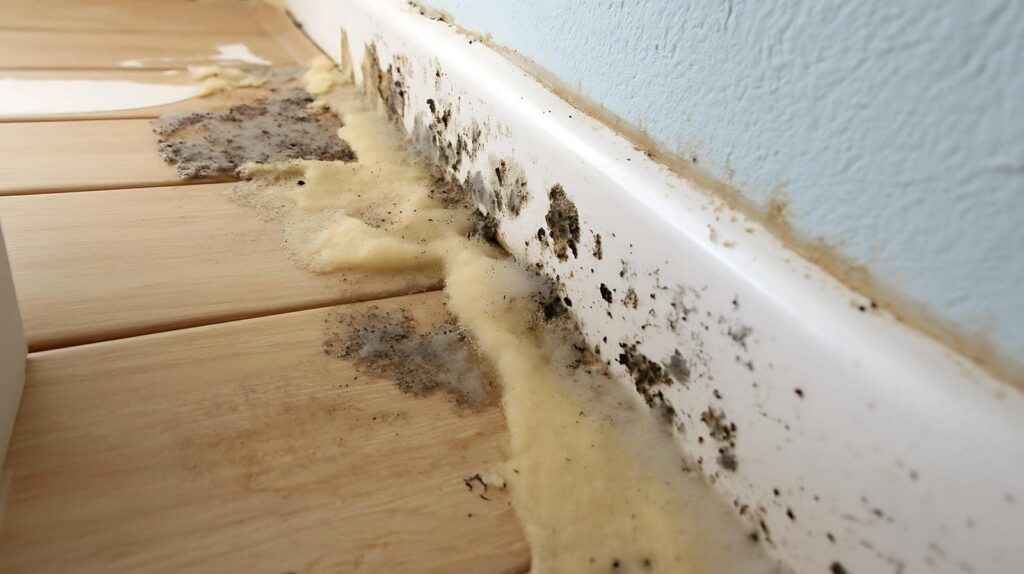
When it comes to mold remediation, understanding the most effective techniques is vital for maintaining a healthy home. You might not realize that simple solutions won’t suffice. Professional methods like containment, air filtration, and moisture control are essential. Each technique plays a specific role in addressing mold issues, but knowing how they work together makes all the difference. Let’s explore these methods and see how they can protect your living environment.
Key Takeaways
Containment: Isolates affected areas to prevent mold spores from spreading to unaffected spaces during the remediation process.
Air Filtration: Employs HEPA filters to effectively capture and eliminate airborne mold particles from the environment.
Moisture Control: Identifies and addresses water sources to prevent future mold growth and ensure long-term remediation success.
Assessment and Inspection: Thorough evaluations identify hidden mold and determine the extent of damage, guiding effective remediation strategies.
Prevention Strategies: Implements long-term solutions to reduce the likelihood of mold recurrence, enhancing overall home health and safety.
Why You Need Professional Mold Remediation
When you discover mold in your home, you might think about tackling it yourself, but enlisting professional mold remediation services is often essential.
Mold poses significant health risks, including respiratory issues and allergic reactions. Professionals not only identify hidden mold but also assess the extent of damage, ensuring your home is safe.
They utilize specialized equipment and techniques to eliminate mold effectively, which DIY methods often overlook. Additionally, they implement prevention strategies to stop mold from returning, addressing the underlying moisture issues that cause growth.
By choosing experts, you protect your family’s health and maintain your home’s integrity, fostering a sense of belonging in a safe environment.
Don’t compromise; trust professionals for thorough and lasting results.
Top 3 Professional Mold Remediation Techniques
Three primary techniques stand out in professional mold remediation, each tailored to effectively eliminate mold and prevent future growth.
Containment: Isolating affected areas to prevent spores from spreading.
Air Filtration: Using HEPA filters to capture airborne mold particles, reducing health risks.
Moisture Control: Addressing water sources to implement preventive measures against mold recurrence.
These methods tackle existing mold and focus on long-term solutions.
By understanding these techniques, you can better appreciate their role in maintaining a healthy home environment.
Regular assessments and timely interventions are essential in mitigating health risks associated with mold exposure.
Adopting these strategies can help you and your loved ones breathe easier and feel secure in your living spaces.
Choosing the Right Mold Remediation Service?
How do you choose the right mold remediation service? Start by researching companies with solid service reputations. Look for those that prioritize thorough mold inspections, ensuring they identify the source and extent of the problem.
Check online reviews and testimonials to gauge customer satisfaction and reliability. It’s essential to verify certifications and insurance, as these reflect professionalism and accountability.
Ask for detailed estimates, so you understand the scope of work and costs involved. Communication is key; a responsive service provider indicates commitment to your needs.
Finally, trust your instincts—select a company that makes you feel comfortable and valued. This choice is crucial for safeguarding your home and health against mold-related issues.
Frequently Asked Questions
How Long Does the Mold Remediation Process Typically Take?
The mold remediation process usually takes one to five days, depending on mold growth severity and area size. You can expect a detailed remediation timeline from professionals to ensure thorough and effective treatment for your home.
What Are the Signs of Mold Regrowth After Remediation?
You’ll notice signs like musty odors, visible spots, or increased allergy symptoms—mold spores lurk, threatening your air quality. Trust your instincts; if something feels off, it’s time to investigate and reclaim your safe space.
Is Mold Remediation Covered by Homeowners Insurance?
Mold remediation is often covered by homeowners’ insurance, but it depends on your policy. Check your mold insurance coverage and follow the claims process carefully to ensure you receive the benefits you’re entitled to.
Can I Stay in My Home During the Remediation?
You shouldn’t stay in your home during remediation due to mold safety concerns. The air quality can deteriorate, exposing you to harmful spores. Prioritize your health and find temporary accommodations until the process completes.
What Should I Do to Prepare for Mold Remediation?
To prepare for mold remediation, complete a mold inspection checklist, verifying you’ve identified affected areas. Secure your belongings, and create a safe removal plan with professionals to minimize exposure and ensure effective treatment throughout the process.
Recap
In the battle against mold, employing professional remediation techniques is your best defense. By using containment, air filtration, and moisture control, you’re not just cleaning a space; you’re fortifying your home against future invasions. Think of these methods as a shield, protecting your health and well-being. Don’t leave your home’s safety to chance—invest in expertise to reclaim your environment and ensure lasting peace of mind. Your home deserves nothing less than the best protection.