
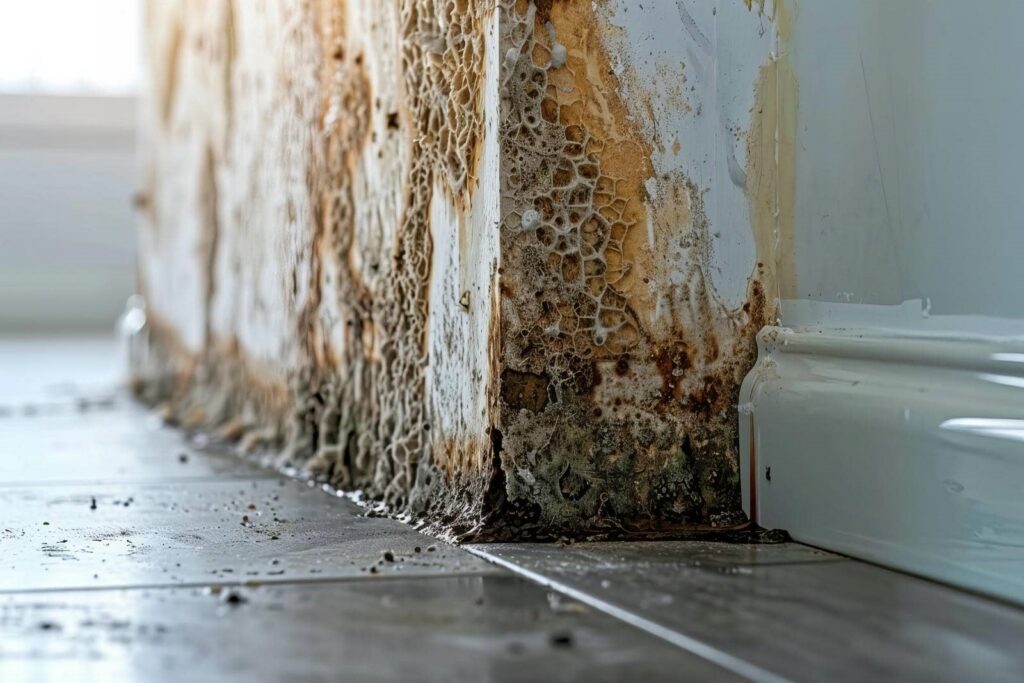
Sewage contamination poses serious health risks that many homeowners underestimate. If you find yourself facing such a situation, knowing the proper sewage cleanup procedures is vital. It’s not just about removing the mess; it involves specific steps to ensure safety and prevent further issues. Understanding these protocols can help protect your home and your health. Are you prepared to tackle a sewage spill effectively?
Key Takeaways
- Wear personal protective equipment (PPE), including gloves, masks, and boots, to ensure safety during the cleanup process.
- Contain the sewage spill using barriers to prevent further spread and damage.
- Remove standing water promptly with a wet/dry vacuum or pump for effective cleanup.
- Disinfect all affected surfaces with a bleach and water mixture to eliminate harmful pathogens.
- Seek professional help if the sewage issue is extensive, persistent, or indicates underlying plumbing problems.
Why Sewage Contamination Is a Serious Concern
Sewage contamination poses a serious threat to your health and to the environment. When sewage leaks or overflows, it introduces harmful pathogens and toxins into your living space. You face various sewage health risks, including gastrointestinal diseases, respiratory issues, and skin infections.
These health hazards can affect your family, pets, and even your neighbors, creating a ripple effect throughout your community.
Moreover, the environmental impact of sewage contamination is significant. Contaminated water can harm local ecosystems, killing fish and other wildlife, while also polluting drinking water sources.
How to Clean Up Sewage: A Step-by-Step Guide
Act quickly when faced with a sewage spill to minimize health risks and damage to your property.
First, confirm sewage safety by wearing protective gear, including gloves, masks, and boots. Next, contain the spill to prevent further spread—use barriers if necessary.
Begin cleanup by removing standing water with a pump or wet vacuum.
Then, disinfect the area using appropriate cleanup techniques, like a mixture of bleach and water, to eliminate harmful bacteria.
Thoroughly clean and sanitize all surfaces, paying special attention to porous materials, which may harbor contaminants.
Afterward, dry the area completely to prevent mold growth.
Finally, dispose of contaminated materials responsibly, following local regulations.
Following these steps will help restore your space safely and effectively.
Must-Have Supplies for Sewage Cleanup
When facing a sewage cleanup, having the right supplies on hand makes all the difference. Start with essential cleanup tools like mops, buckets, and heavy-duty trash bags to efficiently manage waste.
Don’t forget a wet/dry vacuum for thorough water removal. Safety gear is essential; wear gloves, goggles, and a mask to protect yourself from harmful pathogens. Consider using rubber boots to keep your feet dry and safe.
Additionally, a disinfectant is important for sanitizing surfaces afterward. You might also want to have an enzyme cleaner on hand for lingering odors.
Gathering these supplies ahead of time ensures you’re prepared and can tackle the task confidently, fostering a sense of community and shared responsibility in maintaining a safe environment.
Essential Health Precautions to Take During Sewage Cleanup
While tackling sewage cleanup, it’s essential to prioritize your health by taking specific precautions. Start by wearing personal protective equipment (PPE), including gloves, masks, and waterproof boots, to shield yourself from harmful pathogens. Make sure your PPE fits properly to ensure maximum protection.
Next, implement effective sanitation measures throughout the cleanup process. Use disinfectants to clean surfaces and tools, and ensure proper ventilation in the area to minimize exposure to toxic fumes. Dispose of contaminated materials safely, sealing them in plastic bags before discarding.
Finally, wash your hands thoroughly after completing the cleanup, regardless of glove use. By taking these precautions, you protect your health and foster a sense of community responsibility in addressing sewage issues.
When to Call a Professional for Sewage Issues
Even after taking the necessary health precautions during sewage cleanup, some situations may require professional intervention. If you experience a sewage backup that’s extensive or persistent, don’t hesitate to call a professional. They’ve the expertise to assess the situation safely and effectively.
Additionally, if you notice recurring issues, a thorough plumbing inspection is essential. Hidden blockages or damaged pipes might be the root cause, and professionals can identify and resolve these problems before they escalate.
Frequently Asked Questions
What Causes Sewage Backups in Homes?
Sewage backups in homes often stem from pipe blockages and clogged drains. These issues can arise from debris, tree roots, or grease buildup, causing pressure that leads to overflow and potential damage in your plumbing system.
How Can I Prevent Future Sewage Issues?
To prevent future sewage issues, prioritize proactive plumbing inspections and persistent drain maintenance. Regularly check for clogs and clean pipes. Staying vigilant keeps your home safe, sound, and sewage-free, ensuring a healthy, harmonious living environment.
Is Homeowners Insurance Coverage Available for Sewage Cleanup?
Yes, homeowners insurance policies may cover sewage cleanup, but coverage limits vary. It’s essential to review your policy details to understand what’s included and consider additional riders for thorough protection against potential sewage-related damages.
What Are the Long-Term Effects of Sewage Exposure?
Long-term exposure to sewage can pose serious health risks, including respiratory issues and gastrointestinal infections. Contamination sources like bacteria and viruses may linger, increasing vulnerability to chronic conditions and affecting your overall well-being.
Can Pets Be Affected by Sewage Contamination?
Yes, pets can be affected by sewage contamination. Pets exposed to sewage toxicity may face health issues, including gastrointestinal problems. Keeping your furry friends away from contaminated areas is essential for their health.
Review
Cleaning up sewage can feel like maneuvering through a stormy sea, with hidden dangers lurking beneath the surface. By following the proper procedures and taking necessary precautions, you can steer your home back to safety. Remember, though, that some waters are too treacherous to tackle alone. If the situation feels overwhelming, don’t hesitate to call in the experts. Your health and safety are worth more than trying to weather the storm on your own.